True accessibility doesn't force a choice between safety and style. It is the ultimate expression of sophisticated, human-centered design.
Reclaiming Elegance: Beyond the Myths of Accessible Bathrooms
For decades, the term "accessible bathroom" has been unfairly burdened with imagery of sterile, institutional environments. It conjures thoughts of cold chrome, bulky plastic, and a design philosophy that prioritizes function at the complete expense of form. This perception is not just outdated; it's a barrier to creating homes that are truly comfortable, safe, and beautiful for everyone.
Today, we are in the midst of a design revolution. The principles of universal design—creating spaces usable by all people to the greatest extent possible—have merged with high-end interior aesthetics. This guide is dedicated to **debunking the 5 most common myths about accessible bathroom aesthetics**, revealing a world where sophisticated style and uncompromising safety are not mutually exclusive, but are in fact two sides of the same coin.
The New Standard of Bathroom Design
Let's dismantle the outdated notions one by one and explore how a modern, accessible bathroom can become the most stunning room in your home.
Myth #1: Accessible Bathrooms are Inherently Clinical and Ugly
This is the foundational myth from which all others grow. The belief that safety features automatically create a hospital-like feel is a relic of the past. The modern reality is that the market for accessible products has matured, demanding and receiving a massive upgrade in style and material choice.
-
Seamless Integration
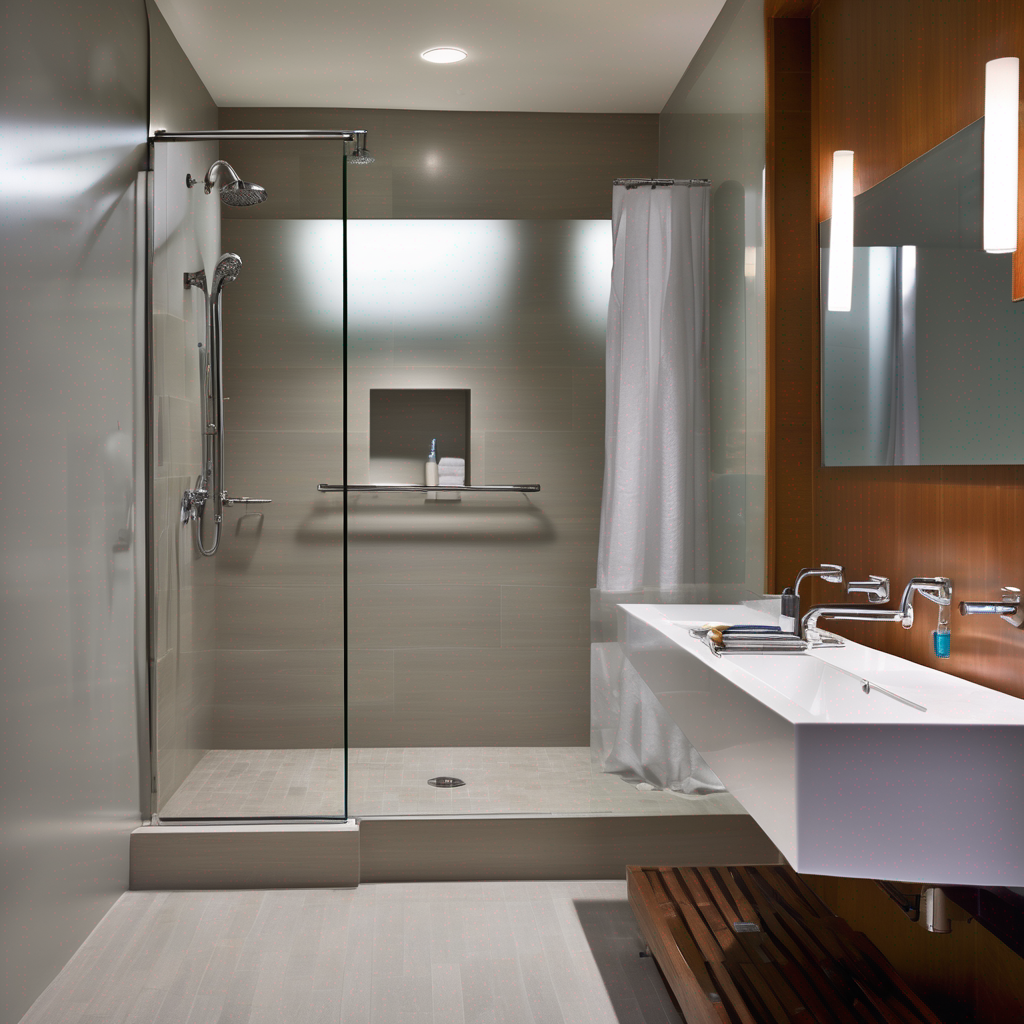
- The goal of a well-executed analysis of **stylish accessible bathroom design** is to make safety features disappear into the decor. Curbless, zero-entry showers flow uninterrupted into the main floor, creating a spacious, spa-like feel. Linear trench drains, once a commercial feature, are now minimalist design statements available in finishes that match your fixtures.
-
Material Luxury
- Floating vanities, which offer crucial knee clearance for seated users, are a staple of high-end, minimalist design. They create an illusion of more floor space and can be crafted from rich woods, elegant stone, or sleek modern composites. The idea that **accessible bathrooms can be beautiful** isn't a future concept; it's happening now with designer fixtures, large-format tiles, and integrated lighting.
Myth #2: Grab Bars are Unsightly and Will Ruin the Decor
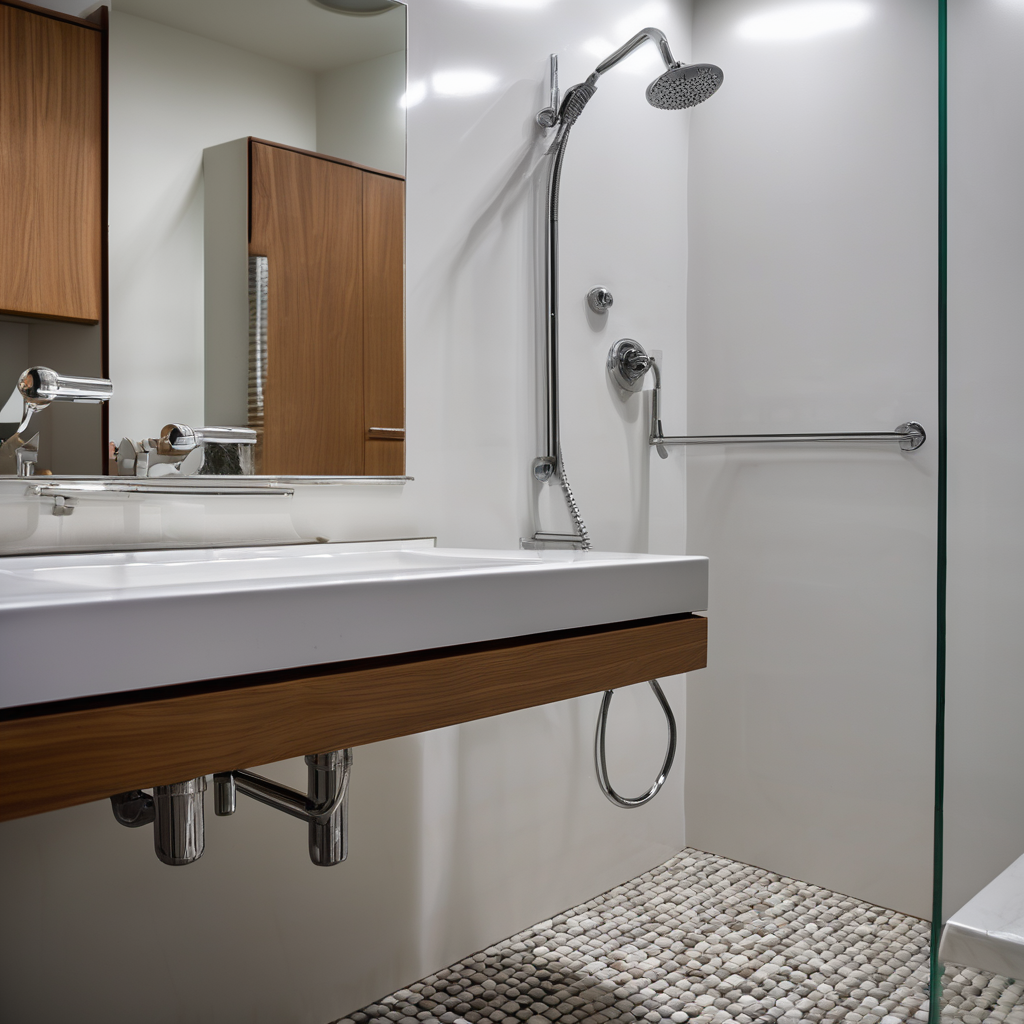
The thick, peened-chrome grab bar is an icon of institutional design. For many homeowners, the thought of bolting these to their pristine tile is a non-starter. But the industry has responded with a dazzling array of options that transform this essential safety device into a design accent.
-
Form Meets Function
- Today's grab bars are masters of disguise. You can find stunning, architecturally-inspired bars that also function as towel racks, toilet paper holders, or shower shelves. This dual-purpose approach means you're adding functionality and safety without adding visual clutter.
-
A World of Finishes
- Instead of clashing, a properly chosen grab bar coordinates. Finishes like matte black, brushed gold, oil-rubbed bronze, and polished nickel allow you to match your faucets and showerheads perfectly. When the finish is consistent, the grab bar becomes a deliberate part of a cohesive design language.
The Other Myths: Cost, Scope, and Space
The conversation about **debunking common myths about accessible bathroom aesthetics** doesn't end with grab bars. The misconceptions about cost, necessity, and space are just as pervasive.
- Myth #3: It Requires a Full, Expensive Renovation. While a full remodel is an option, a **cost-effective accessible bathroom upgrade** can be phased. Start with high-impact, low-cost items like lever faucets, a shower chair, and better lighting.
- Myth #4: It's Only for the Elderly or Wheelchair Users. This is a failure to grasp Universal Design. A curbless shower is safer for everyone, from a child to an athlete with a sprained ankle. It's about creating a home that adapts to life's changes.
- Myth #5: Accessible Features Take Up Too Much Space. Smart, **space-saving accessible bathroom solutions** often *create* more usable space. A wall-mounted toilet and sink open up the floor, a curbless shower removes the visual barrier of a tub, and a pocket door eliminates door swing.
Frequently Asked Questions
Navigating the world of accessible design can bring up new questions. Here are some of the most common inquiries we encounter when discussing the fusion of style and accessibility.
What's the difference between ADA compliance and universal design?
That's a fantastic question. ADA (Americans with Disabilities Act) compliance refers to a set of legally enforceable standards for accessibility in public and commercial spaces. It's very specific, with strict measurements for things like toilet height and grab bar placement. Universal Design, on the other hand, is a broader design philosophy for residential spaces. Its goal is to create environments that are inherently usable by people of all ages and abilities without needing special adaptation. While a universally designed bathroom will incorporate many ADA principles, it focuses more on seamless integration, aesthetic appeal, and creating a space that feels natural and comfortable for everyone, not just meeting a checklist.
Can I truly make my bathroom more accessible without it looking like a hospital?
Absolutely, and that's the central theme of modern accessible design. The key is to focus on dual-purpose and designer-grade products. Choose grab bars in a matte black or brushed gold finish that match your faucets. Opt for a beautiful, fold-down teak shower seat instead of a plastic one. Install a floating vanity with a vessel sink. Use large-format, non-slip porcelain tiles for a seamless look in a curbless shower. When every choice is guided by aesthetics as well as function, the result is a luxurious, spa-like retreat that is also incredibly safe.
Does an accessible bathroom increase my home's value?
Yes, it can significantly increase your home's value and marketability. As the population ages, more and more homebuyers are looking for homes that support "aging in place." A beautifully and thoughtfully designed accessible bathroom is a major selling point. It broadens your potential buyer pool to include multi-generational families, retirees, and anyone planning for their long-term future. It's no longer a niche feature but a highly desirable aspect of a modern, future-proofed home.
What are the most important features to prioritize for accessibility?
While every individual's needs are different, a great starting point for universal accessibility focuses on three key areas: 1) **Safe Entry/Exit:** This is where a zero-threshold, curbless shower is paramount, as it eliminates the single biggest trip hazard. 2) **Stability:** Properly installed grab bars in the shower and near the toilet are non-negotiable for safety. 3) **Ease of Use:** This includes a comfort-height toilet (17-19 inches), a handheld showerhead for seated bathing, and lever-style faucets that are easy to operate without gripping.
Design Without Compromise. Safety Without Sacrifice.
The journey to a safer, more beautiful home begins with challenging outdated ideas. An accessible bathroom is simply a well-designed bathroom—one that anticipates your needs today and tomorrow. It's time to embrace the elegant possibilities.
Consult a Design Expert