How to Choose the Right Grab Bars for Your Bathroom
An Encyclopedic Guide to Enhanced Safety, Accessibility, and Style
The bathroom, a sanctuary of personal care, ironically harbors some of the highest risks for slips and falls within the home. For many, particularly seniors, individuals with mobility challenges, or those recovering from injury, navigating a wet, often confined space can be a daily gamble. This is where the humble grab bar transcends its utilitarian form, becoming a critical cornerstone of safety, independence, and peace of mind. But with a myriad of options flooding the market, how does one choose the right grab bars for your bathroom?
At Urban Design & Remodel, we believe that safety should never compromise style or functionality. This deep informational guide serves as your definitive resource, meticulously detailing every facet of selecting, placing, and integrating grab bars into your bathroom design. From the fundamental principles of physics to the nuances of aesthetic integration, we'll empower you to make informed decisions that transform your bathroom into a truly accessible and secure space.
The Unseen Dangers: Why Grab Bars Are Non-Negotiable
Falls are a leading cause of injury among older adults, and bathrooms are notorious hotspots. Slippery surfaces, awkward maneuvers, and limited support points create a perfect storm for accidents. Grab bars provide crucial points of contact, offering stability and leverage where it's needed most.
Preventing Falls
Grab bars offer essential support when stepping over tub ledges, getting in and out of showers, or standing up from the toilet, drastically reducing fall risks.
Enhancing Independence
For individuals with limited mobility, grab bars enable them to perform daily routines with less assistance, fostering a greater sense of autonomy and dignity.
Long-Term Safety
Even for those without current mobility issues, grab bars are a proactive measure, preparing the bathroom for future needs or unexpected injuries.
Understanding Grab Bar Types: Form Meets Function
The first step in how to choose the right grab bars for your bathroom is recognizing the diverse array of types available, each designed for specific applications and user needs.
1. Straight Grab Bars
The most common and versatile type, straight grab bars are linear and can be mounted horizontally, vertically, or diagonally. They are excellent for providing general support and leverage.
- Horizontal: Ideal for pulling oneself up, maintaining balance, or stepping over a threshold.
- Vertical: Perfect for assisting with entry and exit from showers/tubs, or for support when changing levels.
- Diagonal: Offers a natural hand position for some users, often preferred for specific standing or sitting maneuvers.
2. Angled (L-Shaped) Grab Bars
These bars combine horizontal and vertical segments, often forming an L-shape. They are particularly effective in corners, such as within a shower, or beside a toilet where both horizontal and vertical support is beneficial.
They cater to a natural movement pattern, allowing the user to transition from a vertical grip to a horizontal one as they change positions.
3. Flip-Up (Hinged) Grab Bars
Designed for compact spaces or multi-user bathrooms, flip-up grab bars pivot upwards and lock against the wall when not in use. They are typically installed next to toilets, providing crucial support for standing and sitting without permanently obstructing the space.
This type is invaluable in smaller bathrooms or for those who prefer a less permanent fixture for aesthetic reasons, yet still require robust support.
4. Decorative & Integrated Grab Bars
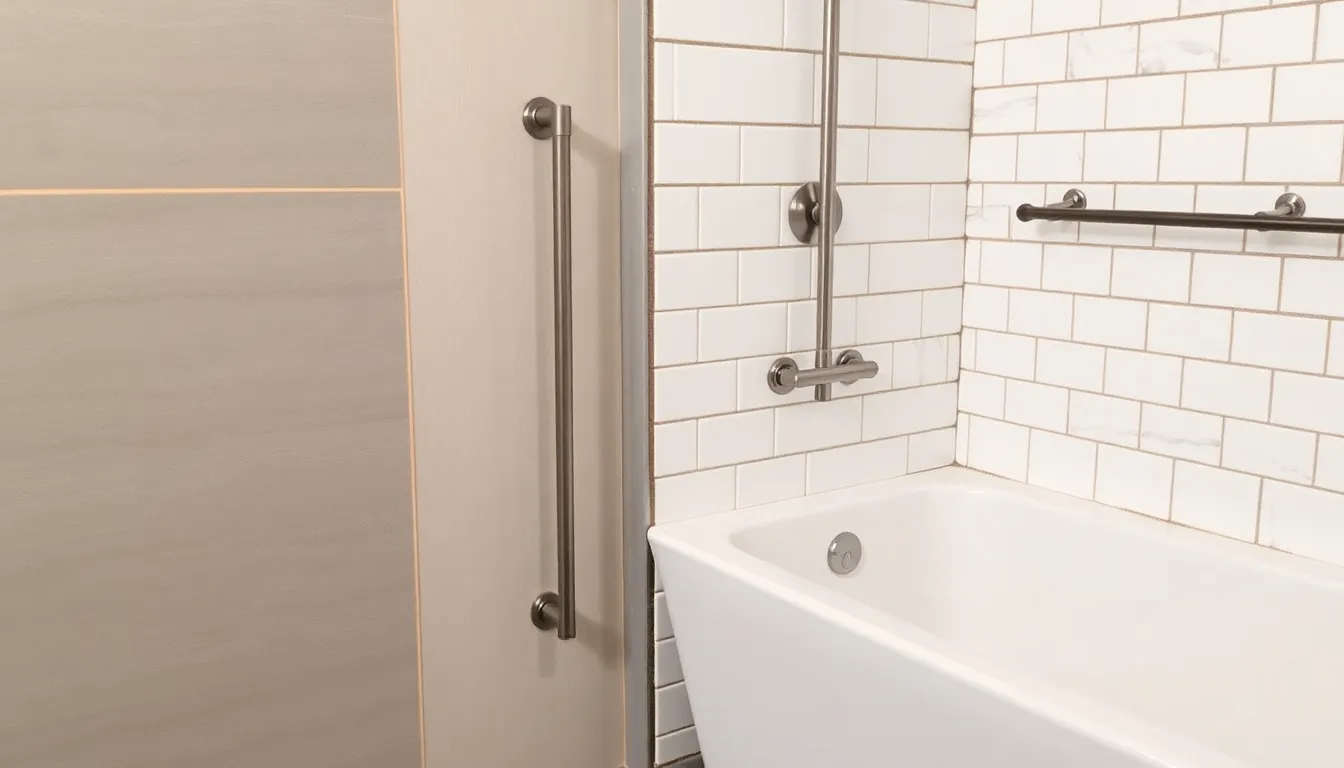
Gone are the days when grab bars were purely institutional. Modern design has embraced accessibility, leading to grab bars that seamlessly blend into the bathroom's aesthetic. These can include bars integrated into towel racks, toilet paper holders, or shower shelves. They often feature stylish finishes and textures, ensuring your accessible bathroom doesn't sacrifice visual appeal.
5. Suction-Cup Grab Bars (with Caution)
While marketed as temporary solutions, suction-cup grab bars should be used with extreme caution and NEVER as primary weight-bearing support. They are prone to failure on porous or textured surfaces and can lose suction over time. These are best reserved for light assistance or travel, not for permanent safety installations.
Material Matters: Durability, Grip, and Aesthetics
The material of your grab bar is pivotal for both safety and longevity, especially in a moisture-rich environment. When learning how to choose the right grab bars for your bathroom, consider these options:
- Stainless Steel: The gold standard. Highly durable, rust-resistant, and capable of withstanding significant weight. Available in various finishes (brushed, polished, matte) to match any decor.
- Chrome-Plated Brass: Offers a classic, shiny finish. While brass is corrosion-resistant, the chrome plating can chip or peel over time if not maintained, potentially exposing the brass underneath.
- Anodized Aluminum: Lighter than steel but still strong and rust-resistant. Often more affordable and suitable for specific applications.
- Coated Steel/Plastic: Some grab bars feature a vinyl or nylon coating over a steel core. This provides a warmer, softer, and often textured grip, which can be beneficial for those with limited hand strength or sensitivity to cold metal.
Key consideration: Ensure the material provides a secure, non-slip grip, even when wet. Textured or fluted surfaces can enhance grip, particularly for individuals with arthritis or neuropathy.
Strategic Placement: Where and How High?
Effective placement is paramount for grab bar functionality. A poorly placed grab bar is as ineffective as no grab bar at all. The American Disabilities Act (ADA) provides excellent guidelines for public spaces, which can be adapted for residential use, but individual needs should always take precedence.
1. In the Shower or Bathtub
- Entry/Exit: Install a vertical grab bar on the wall just outside the shower or tub opening, extending from approximately 33-36 inches off the floor to 48-54 inches.
- Inside the Shower/Tub:
- Back Wall: A horizontal bar, 33-36 inches from the floor, spanning the length of the shower or tub.
- Control Wall: A horizontal bar above the controls, and potentially another vertical bar near the controls for standing support.
- Far Wall: Another horizontal bar for comprehensive support.
- L-Shaped/Angled: Excellent for corner showers or for providing both horizontal and vertical leverage.
2. Near the Toilet
- Side Wall: A horizontal grab bar, 33-36 inches from the floor, extending at least 42 inches from the back wall.
- Rear Wall: A horizontal grab bar positioned 33-36 inches from the floor, spanning at least 36 inches wide (12 inches from the centerline of the toilet to one side, and 24 inches to the other).
- Flip-Up Bar: A popular choice for one side of the toilet, especially if space is limited or if the other side has no adjacent wall.
3. General Areas
Consider grab bars near bathroom entryways, changing areas, or even by a vanity if it assists with standing or sitting. Always consider the user's specific movements and where they naturally reach for support.
Installation: The Non-Negotiable Foundation of Safety
Even the strongest grab bar is useless if not installed correctly. This is arguably the most critical aspect of how to choose the right grab bars for your bathroom and ensure their effectiveness.
Anchoring is Key
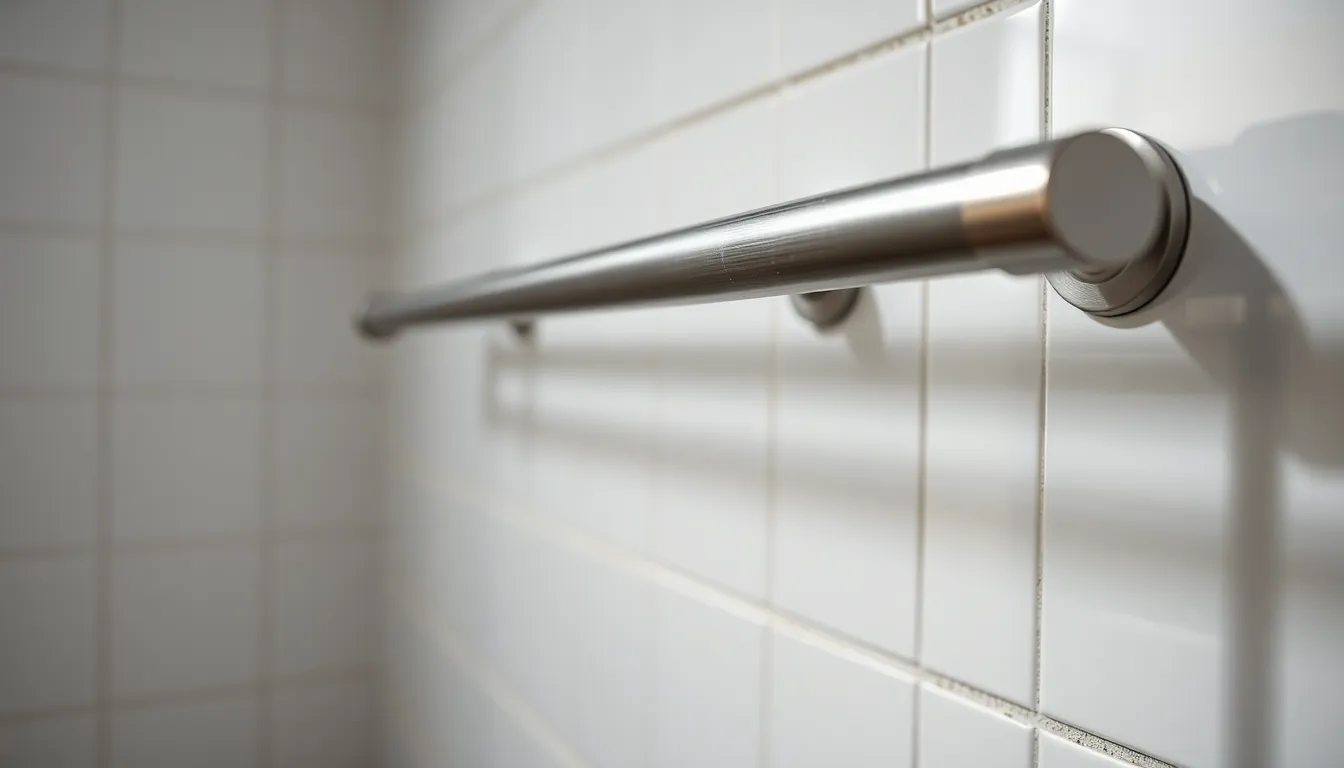
Grab bars MUST be securely anchored to structural blocking (wooden studs) within the wall. Drywall, fiberglass, or thin tile alone cannot support the weight of a person. If studs aren't available, specialized heavy-duty anchors (like toggle bolts or winged anchors) rated for significant weight must be used, though direct stud mounting is always preferred.
Precise Measurement
Careful measurement of height and distance is essential. A professional will assess the user's height and mobility needs to determine the optimal placement for maximum leverage and comfort.
Professional Installation
For peace of mind and guaranteed safety, always opt for professional installation. Contractors specializing in accessible bathroom remodeling in West Jordan, UT understand the structural requirements, waterproofing considerations, and ADA compliance standards.
Beyond the Basics: Advanced Considerations
Weight Capacity
Always check the weight capacity of the grab bar. Most ADA-compliant grab bars are rated to support at least 250 pounds, but some heavy-duty options can support more. Ensure the chosen grab bar meets or exceeds the potential user's needs.
Diameter and Grip
The diameter of the grab bar affects the user's ability to grip it securely. The ADA recommends a diameter of 1.25 to 1.5 inches. For individuals with arthritis or limited hand dexterity, a slightly smaller diameter or one with a textured finish might be more comfortable and easier to grasp.
Cleaning and Maintenance
Choose materials that are easy to clean and maintain in a bathroom environment. Stainless steel and chrome are generally low-maintenance, requiring only regular wiping to prevent water spots and soap scum buildup. Avoid harsh abrasive cleaners that can damage finishes.
Integrating Grab Bars into Your Bathroom Design: A Holistic Approach
The process of how to choose the right grab bars for your bathroom extends beyond mere utility; it's an opportunity to enhance your home's value and livability through thoughtful design. At Urban Design & Remodel, we advocate for a holistic approach to bathroom remodeling that seamlessly incorporates accessibility features from the outset.
Instead of viewing grab bars as an afterthought, consider them as integral elements of your design vision. Imagine matte black grab bars complementing industrial fixtures, or brushed nickel bars blending with a spa-like aesthetic. With today's diverse market, you can achieve both impeccable safety and sophisticated style.
When planning your bathroom remodel, discuss grab bar options early with your designer. This allows for proper wall reinforcement during construction, ensuring the most secure and aesthetically pleasing installation possible. Whether you're considering a full ADA-compliant accessible bathroom walk-in shower for the disabled or simply updating for future needs, making these choices upfront avoids costly modifications down the line.
Final Thoughts: A Commitment to Safety and Comfort
Choosing the right grab bars for your bathroom is a crucial investment in safety, independence, and the long-term usability of your home. It requires careful consideration of types, materials, placement, and, most importantly, professional installation.
Don't wait until an accident occurs to address bathroom safety. By proactively integrating well-chosen and expertly installed grab bars, you're not just adding a fixture; you're building a foundation of security and peace of mind for everyone who uses your bathroom. Urban Design & Remodel is here to guide you through every step of this essential process, ensuring your bathroom is as safe as it is beautiful.
Frequently Asked Questions About Bathroom Grab Bars
Why are grab bars essential for bathroom safety?
Grab bars significantly enhance bathroom safety by providing stable support for balance and movement, reducing the risk of slips and falls, especially for seniors, individuals with mobility challenges, or anyone recovering from injury. They are crucial for tasks like entering/exiting showers or tubs, using the toilet, or simply moving around a wet, slippery environment.
What are the different types of grab bars available?
Grab bars come in various types to suit different needs and aesthetics: straight bars (most common), angled bars (for specific support like standing from a toilet), curved bars (often L-shaped for corner showers), flip-up or hinged bars (ideal for small spaces or beside toilets), and suction-cup bars (temporary, not for weight-bearing). The choice depends on the user's specific mobility needs and the bathroom layout.
What materials are best for bathroom grab bars?
The best materials for grab bars are durable, corrosion-resistant, and provide a good grip. Stainless steel is a popular choice for its strength, longevity, and resistance to rust. Other options include chrome-plated brass, anodized aluminum, and certain plastics or composites. Ensure any material chosen is rated for bathroom use and can withstand moisture without degrading or becoming slippery.
Where should grab bars be placed, and what is the recommended height?
Optimal placement is critical. For showers/tubs, install vertical bars at the entry/exit and horizontal bars on the back and control walls. Near toilets, a vertical or angled bar on the side wall and/or a horizontal bar behind the toilet is common. ADA guidelines suggest horizontal bars be mounted 33-36 inches from the floor for most applications. However, personalized assessment based on the user's height and specific needs is always recommended for the most effective placement.
Can I install grab bars myself, or should I hire a professional?
While some handypersons might attempt DIY installation, professional installation is strongly recommended, especially for permanent, weight-bearing grab bars. Proper installation requires finding wall studs or using heavy-duty anchoring systems to ensure the bar can support significant weight without pulling away from the wall. Incorrect installation can be extremely dangerous. Professionals like Urban Design & Remodel have the expertise to ensure ADA compliance and maximum safety, integrating them seamlessly into your bathroom design.
How do I choose grab bars that match my bathroom's aesthetic?
Modern grab bars are no longer purely utilitarian. Many manufacturers offer stylish options in various finishes (brushed nickel, oil-rubbed bronze, matte black) and designs (fluted, textured, integrated with towel bars or toilet paper holders) that can complement your bathroom's decor. Focus on finishes that match existing fixtures and consider 'designer' grab bars that blend form and function, enhancing safety without sacrificing style.
Ready to Enhance Your Bathroom's Safety and Style?
Don't compromise on safety or design. Our experts at Urban Design & Remodel specialize in creating accessible, beautiful bathrooms tailored to your needs. Contact us today for a consultation on choosing and installing the perfect grab bars for your home.

Have Questions About Your Bathroom or Remodeling Project?
Talk to our licensed Utah specialists about layout, ADA compliance, or custom renovations.