In the world of home design and accessibility, few innovations have merged form and function as seamlessly as the curbless shower. Once a niche feature found in high-end spas and modern architectural magazines, the zero-threshold shower has emerged as a cornerstone of universal design and aging-in-place strategies. But beyond its sleek, minimalist aesthetic, the core question for many homeowners, caregivers, and builders remains: is a curbless shower a good option for accessibility?
The short answer is an unequivocal yes. A curbless, or "barrier-free," shower is not just a good option; it is arguably the gold standard for creating a safe, independent, and dignified bathing experience for people of all ages and mobility levels. This guide will take you on a deep dive, exploring every facet of why this design is so transformative, what it takes to get it right, and how it can fundamentally improve your home.
Deconstructing the Curbless Shower: More Than Just No Curb
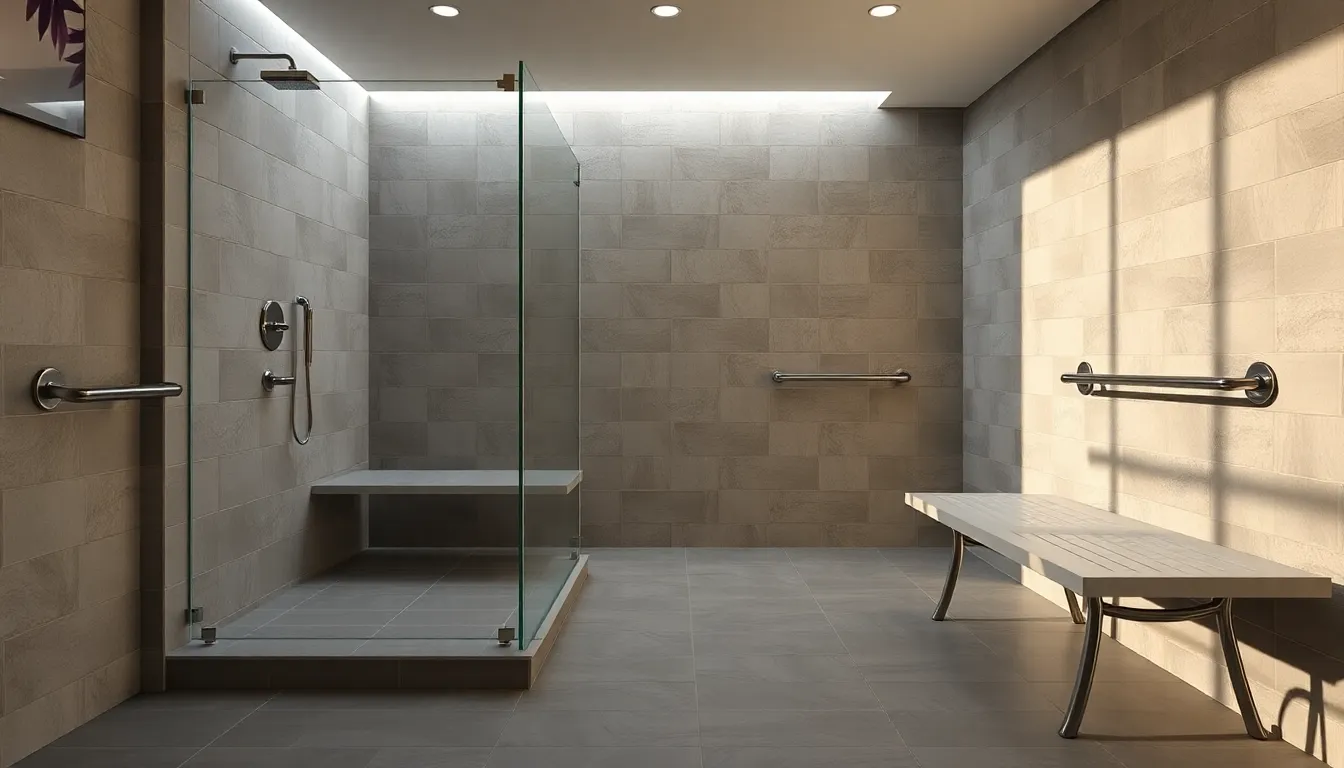
Before we explore its benefits, it's crucial to understand what a curbless shower truly is. Also known as a walk-in, roll-in, or zero-threshold shower, it's a design where the bathroom floor continues uninterrupted into the shower area. There is no curb, step, or threshold to navigate, creating a single, continuous surface.
This is achieved by carefully engineering the floor beneath the tile. The shower floor is gently sloped—typically at a grade of 1/4 inch per foot—towards a drain, ensuring all water is contained and evacuated efficiently. This fundamental design choice is the key to its unparalleled accessibility.
The Verdict: Why Curbless Showers are the Gold Standard for Accessibility
The elimination of the 4-to-6-inch curb found in traditional showers might seem like a small change, but it has a profound impact on safety and usability. Here’s a breakdown of the primary benefits of a zero-threshold shower for seniors and individuals with mobility challenges.
- Elimination of Trip Hazards: The single most significant advantage. For those with unsteady balance, vision impairment, or who use walking aids, the shower curb is a major fall risk. A curbless design removes this hazard entirely.
- Wheelchair and Walker Access: It’s not just a "walk-in" shower; it's a "roll-in" shower. This allows wheelchair users to roll directly into the bathing area, offering a level of independence that is impossible with a standard shower or tub.
- Promotes Aging in Place: Installing a curbless shower is a proactive step in future-proofing a home. It ensures that as mobility needs change over time, the bathroom remains a safe and functional space, allowing individuals to stay in their homes longer.
- Reduces Caregiver Strain: For those who require assistance with bathing, the barrier-free design makes the process easier and safer for both the individual and the caregiver. There's no awkward lifting over a curb, and a rolling shower chair can be used with ease.
The Anatomy of a Flawless Installation: Technical Must-Haves
While the concept is simple, the execution of a curbless shower is a complex process that demands precision and expertise. A key part of understanding walk-in shower accessibility considerations involves a flawless, leak-proof installation. This is not a typical DIY project. Here are the critical components a professional will address:
1. Structural Floor Recessing
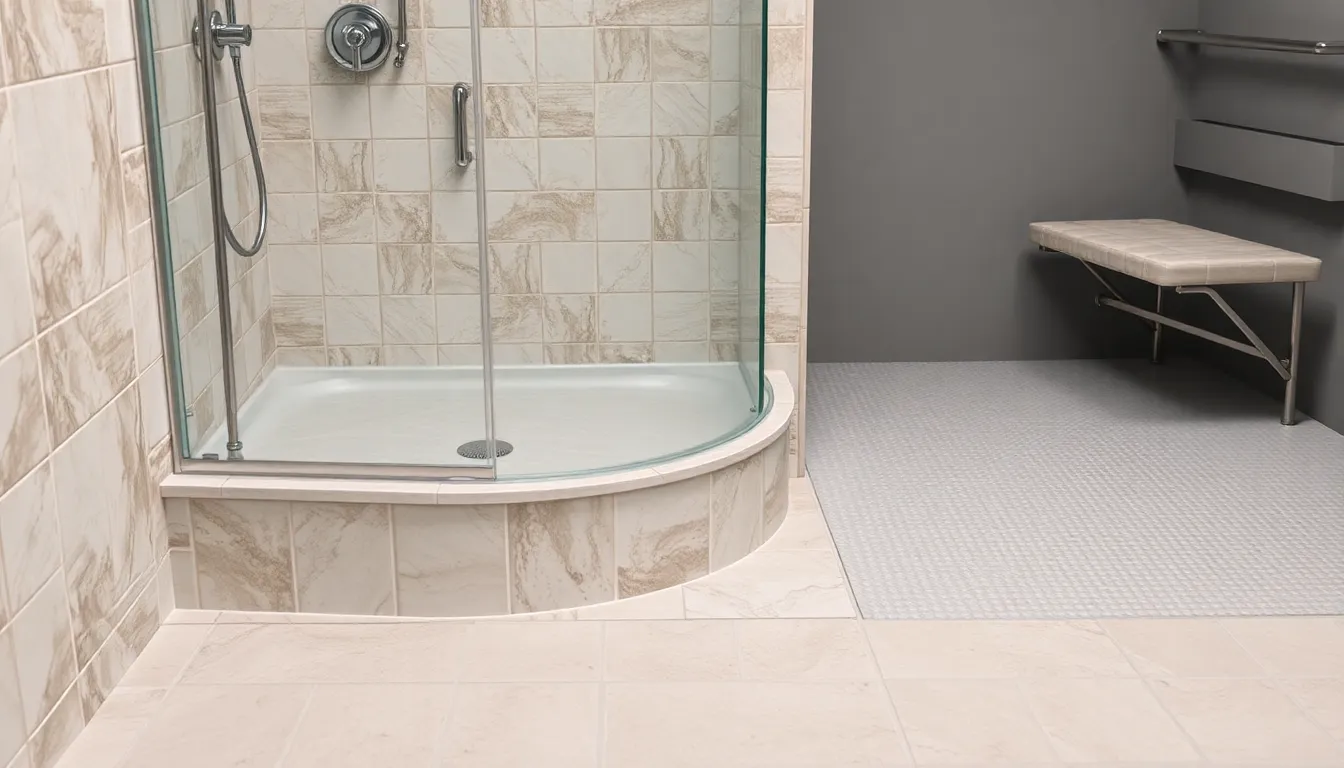
To achieve the necessary slope for drainage without creating a ramp, the subfloor in the shower area often needs to be lowered. This involves structurally sound modifications to the floor joists to create a recessed pan area, ensuring the final tiled surface is flush with the main bathroom floor.
2. Impeccable Waterproofing
This is the most critical stage. With no curb to act as a dam, the entire system relies on a comprehensive waterproofing membrane. Professionals use advanced systems like sheet membranes (e.g., Schluter-KERDI) or liquid-applied compounds that extend several feet beyond the shower area, creating a completely sealed, bathtub-like basin beneath the tile.
3. Strategic Drainage
Effective drainage is paramount. There are two primary options:
- Linear Drains: These long, rectangular drains are often placed against a wall. Their major advantage is that they allow the floor to be sloped in a single plane, which simplifies tiling and is ideal for large-format tiles, enhancing the seamless look.
- Point Drains: The traditional center drain requires the floor to be sloped from all four directions, like a funnel. This typically necessitates smaller tiles to conform to the complex slopes.
4. High-Traction Flooring
Safety doesn't end with the curb. The tile choice itself is a vital accessibility feature. It is essential to select tiles with a high coefficient of friction (COF) rating to prevent slips and falls, especially when wet. Smaller tiles with more grout lines can also naturally increase grip.
Completing the Accessible Ecosystem: Essential Add-Ons
A curbless entry is the foundation, but a truly accessible shower incorporates several other key features. Considering how a barrier-free shower design improves safety means looking at the entire system:
- Strategically Placed Grab Bars: These are non-negotiable for stability when entering, moving within, and exiting the shower.
- A Shower Bench or Seat: A built-in or wall-mounted folding bench provides a secure place to sit while bathing, reducing fatigue and the risk of falls.
- Handheld Shower Wand: A movable shower head on a sliding bar allows for comfortable and thorough bathing while seated.
- Thermostatic Controls: These valves prevent scalding by maintaining a consistent water temperature, a crucial safety feature for individuals with slower reaction times or sensory impairments.
Frequently Asked Questions About Curbless Shower Accessibility
How much more does a curbless shower cost? +
A curbless shower is a more significant investment than a standard curbed model. The additional cost comes from the skilled labor required for structural floor modifications, advanced waterproofing systems, and the precision needed for proper sloping. On average, you can expect a curbless installation to cost 20-50% more than a conventional shower, but this investment pays dividends in safety, home value, and long-term usability.
Can you install a curbless shower in an existing bathroom? +
Yes, absolutely. While it's easiest to incorporate during new construction, retrofitting a curbless shower into an existing bathroom is very common. The main challenge is the subfloor. A qualified contractor will assess your floor joist structure to determine the best method for recessing the shower area. It's a more involved renovation but is entirely achievable in most homes.
Do curbless showers leak or splash water everywhere? +
When designed and installed correctly, no. A properly sloped floor, a high-quality drain, and a comprehensive waterproofing system make leaks exceptionally rare. To manage splashing, the shower area is typically designed to be larger, and features like glass panels, a weighted shower curtain, and a strategically placed shower head all work together to effectively contain water within the designated wet area.
Are curbless showers required by the ADA? +
For commercial and public spaces, the Americans with Disabilities Act (ADA) has specific guidelines for accessible bathing facilities. An ADA-compliant "roll-in" shower must have a threshold no higher than 1/2 inch and specific minimum dimensions (e.g., 30" x 60"). While a true curbless shower exceeds these minimums, residential homes are not required to follow ADA guidelines. However, using ADA principles as a reference is a best practice for creating a highly functional and safe accessible shower at home.
The Final Word: An Investment in Independence
So, is a curbless shower a good option for accessibility? The evidence is overwhelming. It is the pinnacle of safe, accessible, and elegant bathroom design. It removes physical barriers, empowers users with independence, and provides peace of mind for families and caregivers.
While the upfront cost and installation complexity are higher, the long-term benefits to quality of life, safety, and home value make it a wise and compassionate investment. By blending universal design principles with modern aesthetics, the curbless shower proves that a safe bathroom doesn't have to look clinical—it can be the most beautiful room in the house.

Have Questions About Your Bathroom or Remodeling Project?
Talk to our licensed Utah specialists about layout, ADA compliance, or custom renovations.