Multi-Generational Living: Designing a Single Bathroom That Works for All Ages

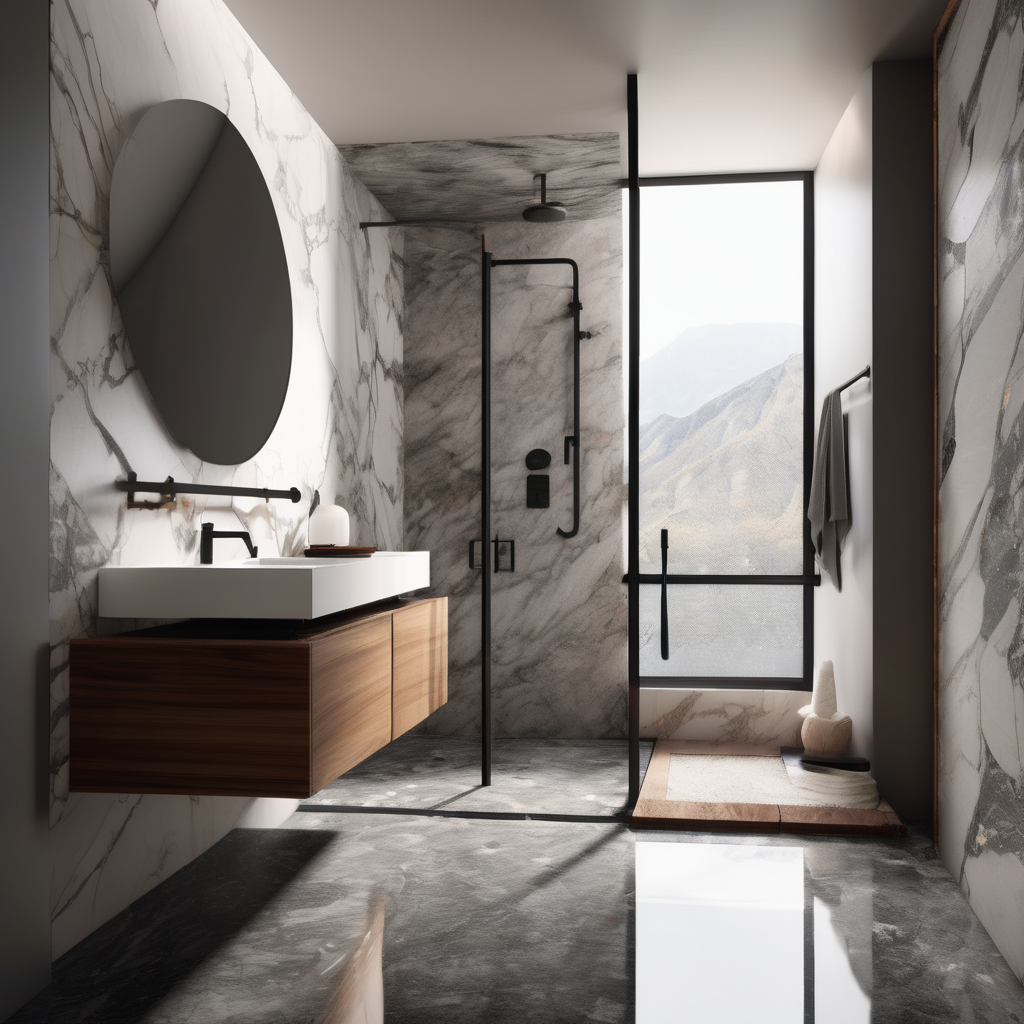
Multi-generational living is becoming increasingly popular, offering families the opportunity to stay connected and support each other across different life stages. However, it also presents unique challenges, especially when it comes to designing spaces that accommodate everyone's needs. One of the most critical areas to consider is the bathroom. How do you design a single bathroom that caters to toddlers, teenagers, adults, and seniors alike? Let’s explore some strategies to create a bathroom that is functional, safe, and stylish for all ages.
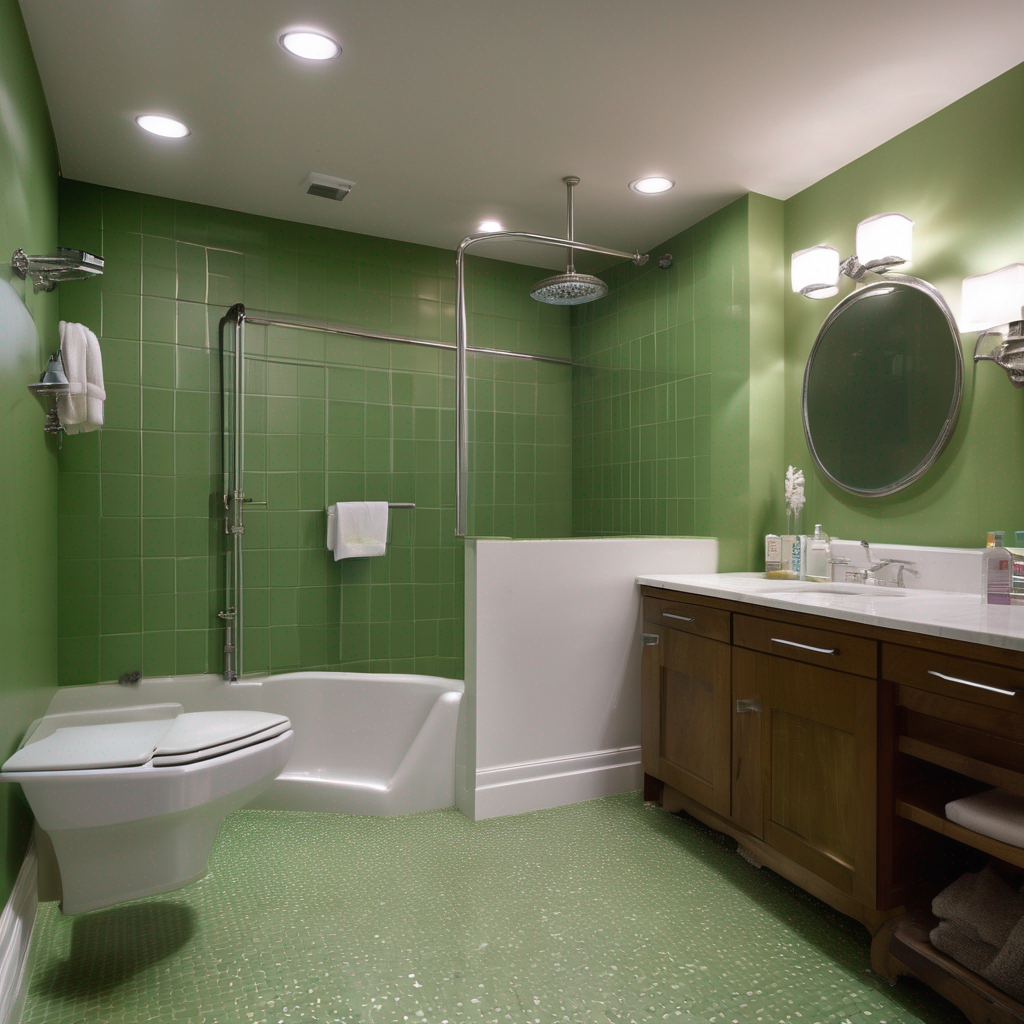
Understanding the Needs of Each Age Group
Before diving into the design, it’s essential to understand the specific needs of each age group that will be using the bathroom. Children typically require easy access to sinks and toilets, while seniors might need additional support and safety features. Adults and teenagers, on the other hand, often prioritize aesthetics and efficiency.
1. Accessibility for Children
For children, especially toddlers, the bathroom should be designed with accessibility in mind. Consider installing a step stool or low-height fixtures to help them reach sinks and toilets easily. Soft-close lids and shatterproof mirrors can also prevent accidents.
2. Safety for Seniors
Seniors may face mobility challenges, so incorporating safety features is crucial. Grab bars, non-slip flooring, and a walk-in shower can significantly reduce the risk of falls. Additionally, lever-style faucets are easier for arthritic hands to operate.
3. Efficiency for Adults and Teenagers
For adults and teenagers, efficiency and style are key. Consider dual sinks to accommodate busy mornings, and opt for sleek, modern fixtures that are easy to clean and maintain. Storage solutions like built-in cabinets can help keep the space organized.
Design Solutions for a Multi-Generational Bathroom
Creating a bathroom that meets the needs of all ages involves a careful balance of design and functionality. Here are some solutions to consider:
Universal Design Principles
Universal design is about creating environments that are accessible to all people, regardless of age or ability. In the bathroom, this might mean installing adjustable-height showerheads, using contrasting colors for better visibility, and ensuring there are no steps or thresholds that could pose a tripping hazard.
Flexible Fixtures and Features
Consider fixtures that offer flexibility, such as a showerhead with a detachable hose or a toilet with adjustable seat heights. These features can adapt to the varying needs of your family members over time.
Smart Storage Solutions
Storage is crucial in a shared bathroom. Utilize vertical space with shelving, and consider pull-out drawers or open shelving for easy access. Labeling bins and baskets can help keep items organized and accessible to everyone.
FAQs About Designing a Multi-Generational Bathroom
What are the key safety features to include in a bathroom for seniors?
Key safety features for seniors include grab bars in the shower and near the toilet, non-slip flooring, and a shower bench. It's also helpful to have a handheld showerhead and lever-style faucets for easier use.
How can I make a bathroom more accessible for young children?
To make a bathroom more accessible for young children, consider using step stools, installing lower towel racks, and choosing easy-to-turn lever taps. Soft-close toilet seats and secure, shatterproof mirrors are also beneficial.
What type of flooring is best for a multi-generational bathroom?
Non-slip flooring is best for a multi-generational bathroom. Materials such as textured tiles or vinyl can provide traction and reduce the risk of slips and falls for both young children and seniors.
Are there any specific design styles that work well for multi-generational bathrooms?
Neutral color palettes, clean lines, and minimalist designs tend to work well for multi-generational bathrooms. These styles can be easily accessorized to suit personal tastes while providing a timeless look that appeals to all ages.
Conclusion
Designing a bathroom for multi-generational living requires thoughtful consideration of the diverse needs and preferences of all family members. By incorporating universal design principles, prioritizing safety, and choosing flexible and efficient fixtures, you can create a space that is both functional and inviting for everyone. Whether you're renovating or building a new home, these strategies will help you achieve a harmonious balance that enhances the quality of life for your entire family.
Have Questions About Your Bathroom or Remodeling Project?
Talk to our licensed Utah specialists about layout, ADA compliance, or custom renovations.