Reducing Caregiver Strain: How an Accessible Bathroom Benefits the Whole Family
Beyond grab bars and walk-in showers lies a profound truth: a thoughtfully designed bathroom is one of the most powerful tools for easing the physical and emotional burdens of caregiving, restoring dignity, and enhancing home life for everyone.
Caregiving is an act of profound love, but it carries an invisible weight. For the millions of families caring for an aging parent, a spouse with mobility challenges, or a child with a disability, the bathroom can become the epicenter of daily stress, physical risk, and emotional exhaustion. It’s a space where the delicate balance between assistance and independence is tested every single day.
What if that space could be transformed from a source of anxiety into a sanctuary of safety and support? An accessible bathroom remodel is not merely a construction project; it's a strategic investment in the health, happiness, and harmony of your entire family. Let's explore the hidden toll of an inaccessible bathroom and how smart design directly addresses the core challenges of caregiver strain.
The Hidden Toll: Unpacking the Daily Strain of an Inaccessible Bathroom
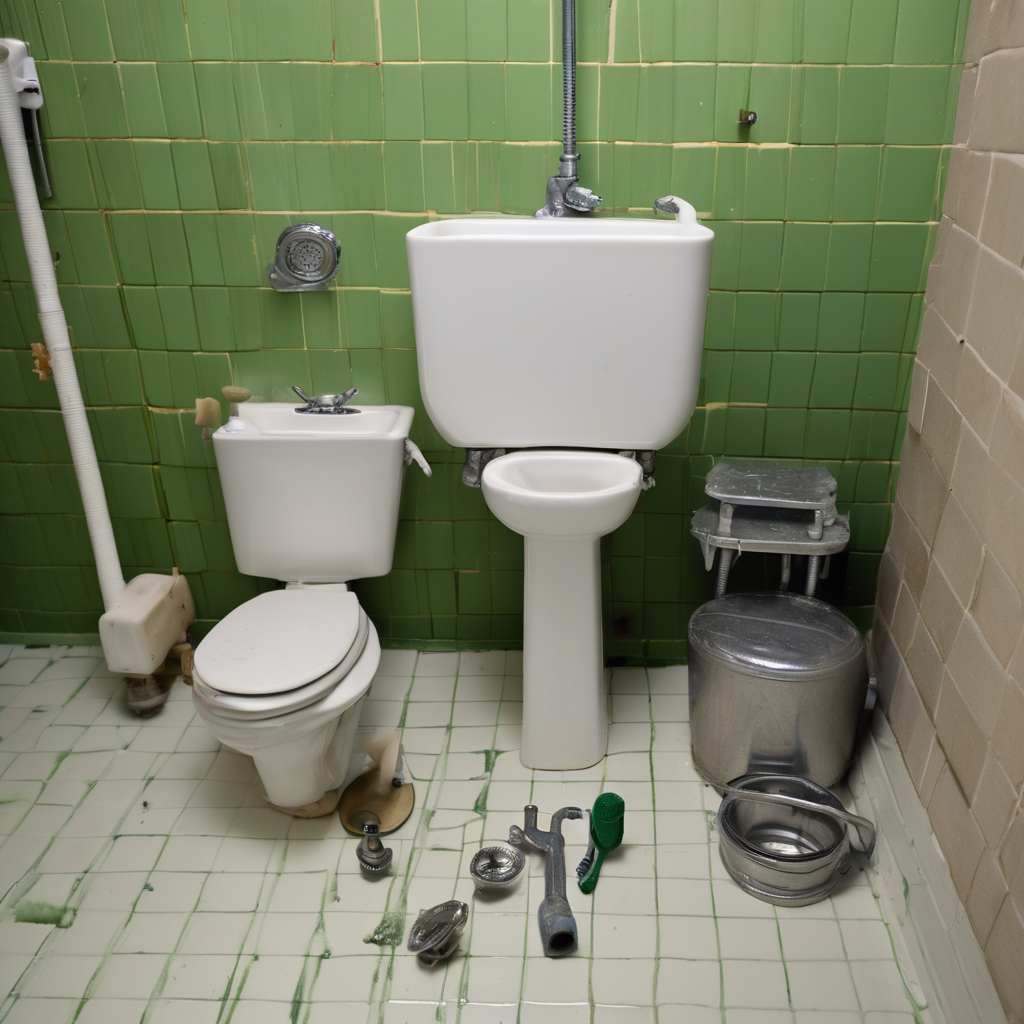
Before we can appreciate the solution, we must understand the problem. A standard bathroom, with its high tub walls, slippery surfaces, and tight quarters, poses significant daily challenges that compound over time.
Physical Burden
Lifting a loved one over a high tub ledge, bending in awkward positions to assist with bathing, and providing physical support on a wet floor can lead to chronic back pain, muscle strain, and serious injury for the caregiver.
Emotional & Mental Exhaustion
The constant fear of a slip or fall—for both the caregiver and the recipient—creates a pervasive layer of anxiety. This stress, combined with the loss of privacy for both individuals, contributes significantly to caregiver burnout.
The Solution: Key Accessible Features and Their Direct Impact on Caregivers
An accessible bathroom isn't about a single product; it's an ecosystem of features designed to work in harmony. Each element serves to transfer the burden from the caregiver's body to the structure of the room itself, directly **reducing caregiver strain and improving quality of life for the whole family.**
Zero-Threshold Walk-In Showers
By eliminating the tub wall, you remove the single greatest physical obstacle. A caregiver can simply walk or roll a shower chair directly into the space without any heavy lifting, instantly reducing back strain and the risk of a fall for both individuals.
Strategically Placed Grab Bars
More than just handles, these are points of stability and leverage. They allow the care recipient to assist in their own movements—standing, turning, and sitting—which means the caregiver guides and supports rather than lifts the full body weight.
Integrated Shower Benches & Handheld Showers
A secure, built-in bench eliminates fatigue for the user and puts the caregiver at an ergonomic advantage. Paired with a handheld showerhead, it allows for thorough, dignified washing without requiring the caregiver to bend, crouch, or overreach.
Comfort-Height Toilets
A toilet that is a few inches higher drastically reduces the effort required to sit down and stand up. This small change can mean the difference between a person needing full assistance and being able to manage transfers with minimal support, preserving their energy and yours.
The Ripple Effect: How an Accessible Bathroom Nurtures the Whole Family
The benefits of an accessible bathroom extend far beyond the physical tasks of caregiving. They create a positive ripple effect that transforms the emotional landscape of the entire home.
-
Restoration of Dignity & Independence
When a person can manage more of their own personal care, it's incredibly empowering. This shift can change the dynamic from "caregiver and patient" back to "husband and wife" or "parent and child," fostering healthier relationships.
-
Giving Back Time & Energy
A safe, efficient routine frees up valuable time and mental energy. Instead of spending 45 stressful minutes on bathing, you might spend 20 calm ones, leaving more time for conversation, connection, or simply rest.
-
Future-Proofing Your Home for Everyone
An accessible bathroom is a universal benefit. It provides safety for visiting grandchildren, comfort for a family member recovering from surgery, and ensures you and your spouse can age in place gracefully and independently for years to come.
Investing in an accessible bathroom is one of the most effective strategies for **reducing the daily challenges of family caregiving**. It's a tangible expression of care that supports both the person needing assistance and the person providing it.
Frequently Asked Questions About Accessible Bathrooms
How does an accessible bathroom remodel differ from a standard one?
While a standard remodel focuses on aesthetics and general function, an accessible remodel prioritizes safety, independence, and ergonomics. It involves specific ADA-compliant guidelines like curbless shower entry, precise grab bar placement and reinforcement, non-slip flooring with a high coefficient of friction, and clearances for mobility aids. The goal is to create a space that actively reduces physical risk and strain for everyone.
Will an accessible bathroom look institutional or like a hospital?
Absolutely not! This is a common misconception. Modern accessible design seamlessly blends safety with luxury aesthetics. Designer grab bars, beautiful tiled walk-in showers with integrated benches, and elegant comfort-height toilets are now standard. At Urban Design & Remodel, we specialize in creating spaces that are both beautifully designed and highly functional, ensuring your bathroom is a spa-like retreat, not a clinical space.
Is an accessible bathroom a good investment for my home's resale value?
Yes, it's an excellent investment. With the growing demand for "aging in place" homes, a thoughtfully designed accessible bathroom is a major selling point. It appeals to a wide range of buyers, including multigenerational families, retirees, and those planning for their future needs. It demonstrates a home that is safe, versatile, and ready for long-term living, often increasing its market value.
Beyond physical strain, how does this help with a caregiver's mental well-being?
The mental and emotional benefits are profound. By engineering safety into the room, you remove the constant, low-grade anxiety about a potential fall. This mental relief is a huge part of **reducing caregiver stress**. Knowing your loved one has more independence restores a sense of normalcy and privacy, lessening emotional burdens and allowing for more positive, less task-oriented interactions as a family.
Support Your Family with a Safer Home
If you're ready to reduce the strain of caregiving and create a bathroom that is safe, beautiful, and beneficial for the whole family, we're here to help. Contact our accessibility experts for a free, no-obligation consultation.

Have Questions About Your Bathroom or Remodeling Project?
Talk to our licensed Utah specialists about layout, ADA compliance, or custom renovations.