
A Guide to Healing at Home
Remodeling for Recovery
Navigating the post-surgery period is a significant challenge. This guide details how to create a temporary accessible bathroom, a crucial step for a safe, dignified, and speedy recovery right in the comfort of your own home.
The Foundation of a Safe Recovery
Why a Temporary Setup is a Game-Changer
After a significant medical procedure like a hip replacement, knee surgery, or abdominal operation, the familiar landscape of your home can suddenly feel like an obstacle course. The bathroom, with its slippery surfaces and tight spaces, becomes the most hazardous room. A full-scale, permanent accessible remodel isn't practical or necessary for a temporary recovery period. That's where strategic, temporary modifications come in.
- Drastically Reduce Fall Risk.
- Strategically placed grab bars, non-slip surfaces, and stable seating can prevent the slips and falls that are a leading cause of post-surgical complications.
- Promote Independence and Dignity.
- The ability to use the toilet and shower with minimal assistance is a massive psychological boost during a vulnerable time, accelerating the feeling of "getting back to normal."
- Lessen Caregiver Strain.
- When the environment is properly set up, it reduces the physical and emotional burden on family members and caregivers, making their job safer and less stressful.
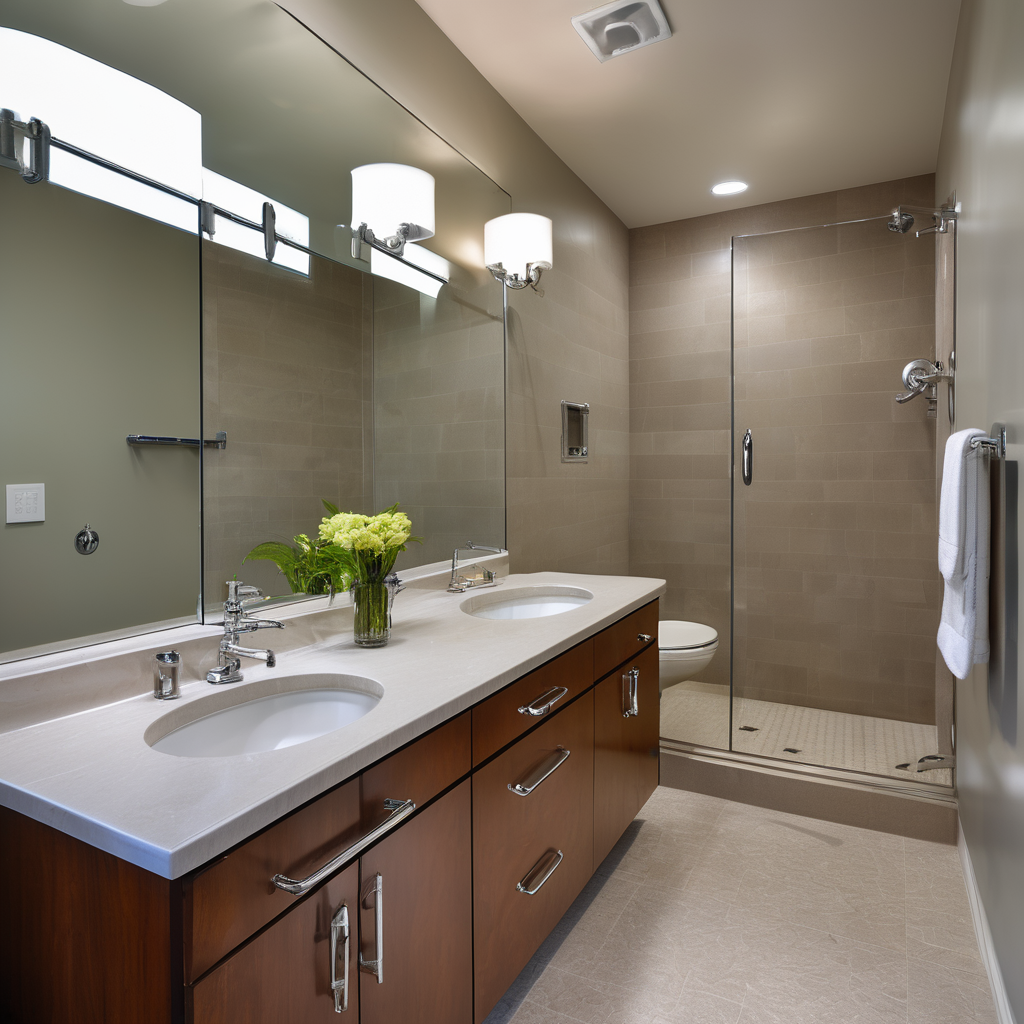
The Recovery Toolkit
Core Components for Your Temporary Accessible Bathroom
Creating a safe bathroom for recovery doesn't require a full demolition. It's about adding the right pieces of durable medical equipment (DME). Here’s a breakdown of the essential equipment for a safe recovery bathroom.
-
The Toilet Area: Stability is Paramount
- Bending and sitting after surgery can be painful and dangerous. A raised toilet seat or a toilet seat with integrated arms reduces the distance you need to lower yourself. For even greater stability, a freestanding toilet safety frame provides sturdy handles on both sides to assist with sitting and standing.
-
Showering & Bathing: Eliminating Slips
- A shower chair or transfer bench is non-negotiable. A transfer bench is especially useful as it allows you to sit down outside the tub and slide over the edge, eliminating the need to step over a high tub wall. Pair this with a handheld showerhead for controlled, seated bathing and high-quality non-slip mats both inside and outside the tub.
-
Grab Bars: Your Most Trusted Support
- While suction-cup grab bars are available, professionally installed, screw-mounted grab bars offer superior safety and reliability. Key locations are next to the toilet and within the shower/tub enclosure (both vertically and horizontally). Proper installation into studs is critical for them to support your full body weight during a potential slip.
-
Accessibility & Convenience
- Think about the small things. A long-handled sponge prevents dangerous bending. A bedside commode can be a lifesaver for the first few nights. Ensure toiletries are within easy reach from a seated position. A grabber/reacher tool is invaluable for retrieving dropped items without compromising your balance.
Feeling Overwhelmed? Let's Plan Together.
Every recovery is unique. If you need help assessing your space and selecting the right temporary equipment, our accessibility consultants are here to help. We provide expert advice to ensure your home is a safe haven for healing.
Frequently Asked Questions
How much does a temporary accessible bathroom setup cost?
The cost can vary widely based on what you need. You can rent most equipment, which is highly cost-effective for a 2-6 week recovery. A basic setup with a toilet riser, shower chair, and non-slip mats might cost $100-$300 to purchase. Renting a more comprehensive package, including a transfer bench and grab bars, could be a similar price for the entire recovery period. Professional installation of screw-in grab bars will be an additional cost but is highly recommended for safety.
Can I install suction cup grab bars safely?
While tempting for their ease of installation, most occupational therapists and accessibility experts strongly advise against relying on suction cup grab bars for full body-weight support. They can fail without warning if the surface is not perfectly smooth, non-porous, and clean, or if the suction weakens over time. They are best used for light balance assistance only. For true safety during recovery, professionally installed, screw-mounted grab bars anchored to wall studs are the only reliable option.
What's the difference between a shower chair and a transfer bench?
A shower chair is a small, four-legged stool or chair that sits entirely inside the shower or tub, providing a safe place to sit while washing. A tub transfer bench is a longer bench with two legs that sit inside the tub and two that sit outside on the bathroom floor. It is designed for individuals who cannot safely step over the tub wall. You sit on the edge of the bench outside the tub, then scoot or slide your body along the bench and into the tub, swinging your legs over the wall. It is the safest option for those with significant mobility challenges, especially after hip surgery.
Are these temporary modifications covered by insurance?
Coverage for durable medical equipment (DME) like shower chairs and toilet risers varies significantly between insurance plans. Medicare Part B may cover some items if they are deemed medically necessary and prescribed by a doctor. However, items considered "convenience" items, such as grab bars, are often not covered. It's essential to contact your insurance provider directly with the specific equipment recommendations from your doctor or physical therapist to understand your coverage before purchasing or renting.

Have Questions About Your Bathroom or Remodeling Project?
Talk to our licensed Utah specialists about layout, ADA compliance, or custom renovations.