Stealth Accessibility: 10 Ways to Integrate Safety Features Into a Stylish Design

For decades, a false choice has dominated home design: you could have a safe, accessible home, or you could have a beautiful one. The language of safety—clunky plastic grab bars, institutional ramps, sterile medical equipment—felt fundamentally at odds with the language of luxury. But that era is over.
Welcome to the age of stealth accessibility. This is not about compromise; it’s about elevation. It's a design philosophy where safety and universal design principles are so elegantly woven into the fabric of a home that they become invisible, perceived only as thoughtful details, luxury finishes, and superior comfort. This guide explores ten foundational strategies for integrating crucial safety features into a sophisticated and stylish home design, creating spaces that are not only prepared for the future but are more beautiful for it today.
1. The Disappearing Grab Bar: Support That Doubles as Decor
Banish the image of clinical, white plastic bars. Today's grab bars are sculptural, functional art. Manufacturers now offer collections in stunning finishes like matte black, brushed gold, and oil-rubbed bronze. The true genius of modern stylish home safety integration lies in dual-purpose design. Think of a sleek, rectangular bar that serves as a toilet paper holder, a beautifully milled towel rack with integrated support, or a glass shower shelf with a sturdy, built-in handhold. These pieces don't just add support; they add a layer of custom-designed elegance to the space.
2. The Zero-Threshold Shower: Luxury's New Standard
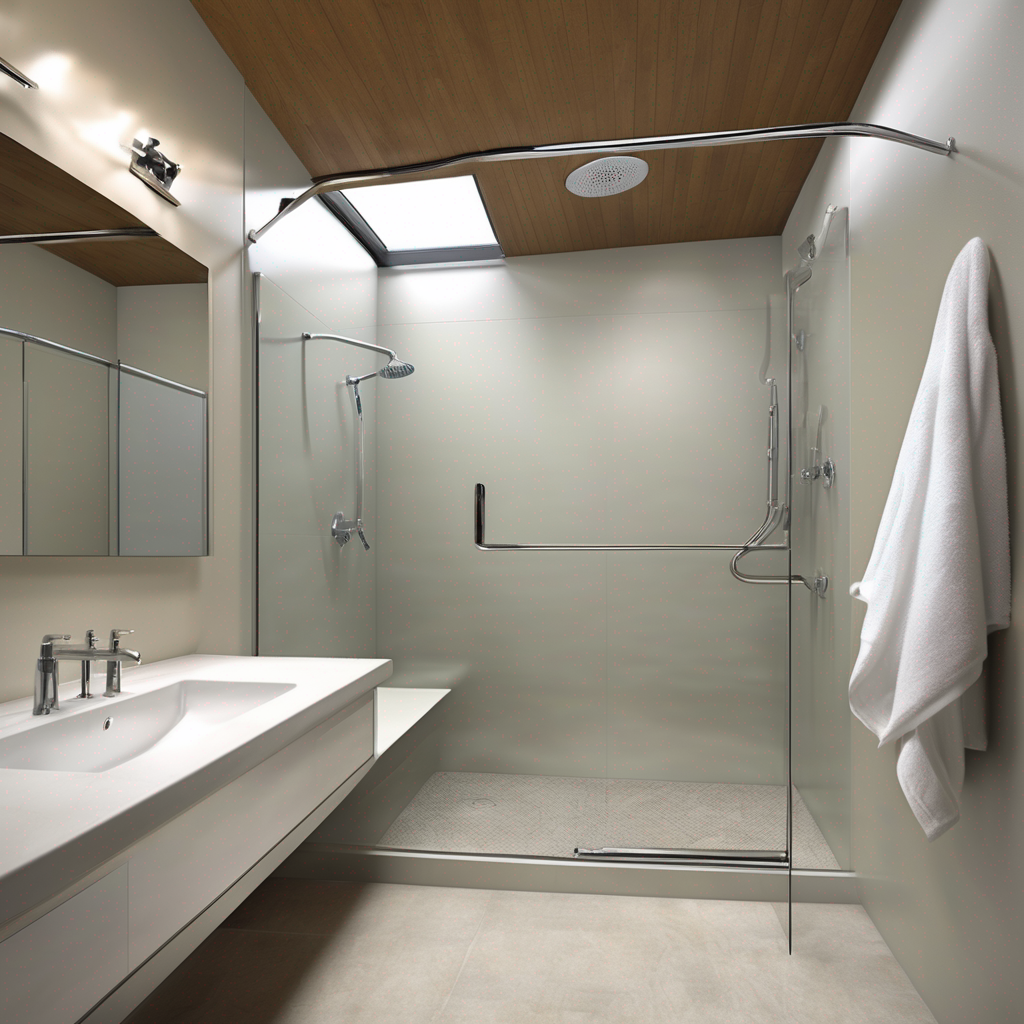
The curbless, walk-in shower is perhaps the single greatest example of stealth accessibility. What began as a necessity for wheelchair access is now a coveted hallmark of high-end, spa-like bathrooms. By eliminating the curb, you remove a significant trip hazard and create a seamless, flowing visual line that makes the entire room feel larger and more open. Paired with a linear drain, large-format non-slip tiles, and a frameless glass enclosure, the zero-threshold shower is a pure design statement that happens to be universally accessible.
3. Layered & Intelligent Lighting: Sculpting with Light for Safety
A single, harsh overhead light creates shadows and glare, which can obscure trip hazards and disorient the eye. A sophisticated lighting plan is a powerful safety tool. Consider a layered approach:
- Task Lighting: Bright, focused under-cabinet LED strips in the kitchen illuminate work surfaces, preventing knife accidents.
- Ambient Lighting: Dimmable recessed lights or elegant ceiling fixtures provide overall, controllable illumination.
- Accent & Pathway Lighting: This is where the magic happens. Low-wattage LED strips installed in the toe-kick of bathroom vanities and kitchen cabinets, or along stair risers, create a beautiful, floating effect and a safe, navigable path for late-night trips without turning on jarring overheads.
4. Comfort-Height Fixtures: The Ergonomic Upgrade
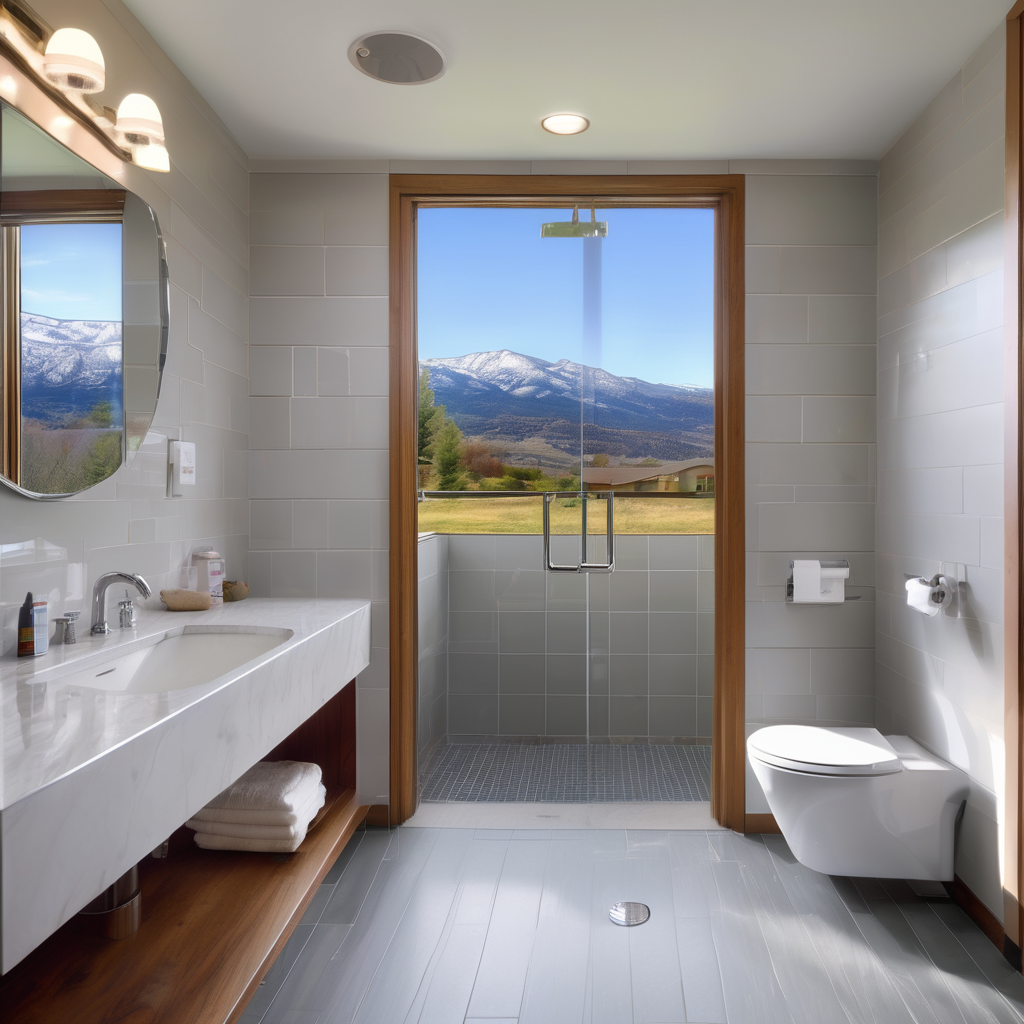
"Comfort height" or "right height" toilets are typically 17 to 19 inches high, compared to the standard 15 inches. This small difference makes sitting down and standing up significantly easier, reducing strain on knees and backs. A core principle of discreet accessibility features in modern homes is that they benefit everyone. These toilets look virtually identical to their standard counterparts, often coming in sleek, one-piece, skirted designs that are both modern and easier to clean. The same logic applies to "comfort height" vanities, which reduce bending and improve posture.
5. The Grace of Levers: Touchpoints for All Hands
Twisting a round doorknob or faucet handle can be difficult for anyone with arthritis, limited hand strength, or even just full hands. Swapping knobs for elegant, lever-style handles on doors and single-handle lever faucets in kitchens and bathrooms is a simple, cost-effective upgrade. These are available in countless designer styles and finishes, providing an instant aesthetic lift while making the home dramatically easier to navigate.
6. High-Performance Flooring: The Foundation of Safety
The right flooring is your first line of defense against falls. This doesn't mean sacrificing style for utility. Modern materials offer the best of both worlds. Luxury Vinyl Tile (LVT) provides stunningly realistic wood or stone looks with a slightly more forgiving, slip-resistant surface. Cork flooring is naturally cushioned and anti-microbial. For those who love hardwood, engineered options with a matte or brushed finish offer more texture and grip than high-gloss surfaces. The key is to choose low-pile, non-slip surfaces and secure any area rugs with high-quality pads.
7. Drawer-Style Appliances: The End of Reaching and Bending
Ergonomics are central to kitchen safety. Under-counter appliance drawers are a game-changer. Microwave drawers, installed below the countertop, allow you to slide heavy, hot dishes out without lifting them down from overhead. Dishwasher drawers can be installed at varying heights to minimize bending, and refrigerator/freezer drawers in an island can store frequently used items for easy access. This is a perfect example of a practical guide to integrating home safety features into interior design that elevates the kitchen's functionality to a professional level.
8. Strategic & Structural Seating
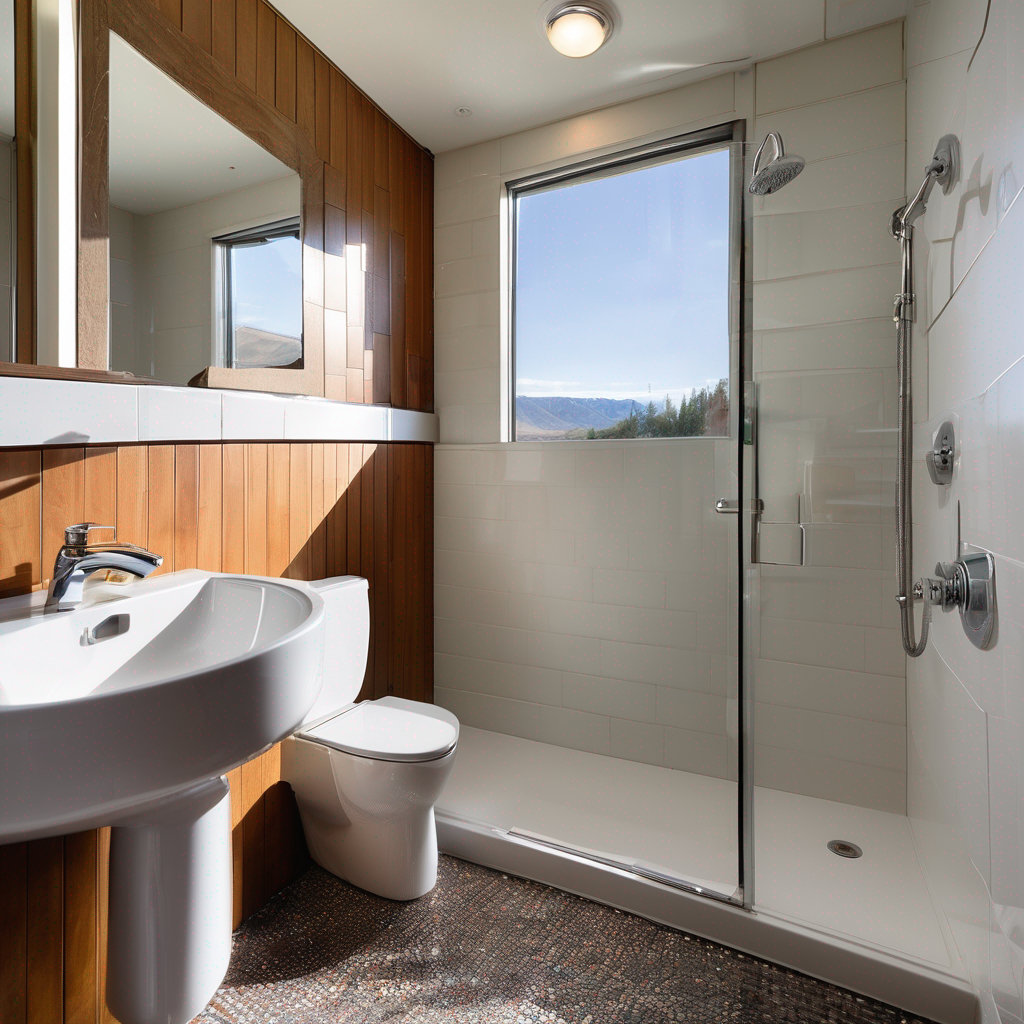
Providing opportunities to sit can prevent falls and reduce fatigue. Instead of a plastic shower chair, consider a beautiful built-in shower bench, tiled to match the walls or topped with a teak or stone slab. In the entryway or mudroom, a stylish built-in bench with storage underneath provides a stable place to put on and take off shoes. In the bedroom, a chic, sturdy ottoman at the foot of the bed serves the same purpose. These elements are integrated into the home's architecture and decor, reading as intentional design choices, not afterthoughts.
9. High-Contrast Design: Safety Through Color Theory
For those with low or declining vision, depth perception can be a challenge. Using color and texture to create clear visual cues is a sophisticated design technique that enhances safety. This doesn't mean a jarring, high-contrast palette. It can be as subtle as ensuring the countertop edge color is distinct from the cabinet color, or that the flooring color doesn't blend seamlessly into the wall color. A darker-colored island in a light-colored kitchen, or a different tile pattern on the shower floor, helps the brain define spaces and changes in level.
10. The Smart Home as a Safety Net
Smart home technology is the ultimate stealth accessibility feature. Voice-activated controls for lighting, thermostats, and window shades reduce the need to move around the house, especially in the dark. Smart locks can be programmed to lock automatically and can be opened remotely for caregivers. Video doorbells enhance security. These systems offer an unparalleled level of control and independence, all managed from a smartphone or by voice command, making them the invisible thread that ties a modern, safe, and stylish home together.
Design for Life, Not Just for a Moment
Stealth accessibility is more than a trend; it's the future of intelligent, human-centric design. By thoughtfully integrating safety features into your home's stylish design, you create an environment that is not just beautiful, but also nurturing, adaptable, and ready to support you and your loved ones through every stage of life. It’s the ultimate luxury: a home that takes care of you, in style.
Frequently Asked Questions
Is integrating accessibility features expensive?
While some features like a full zero-threshold shower renovation represent a significant investment, many stealth accessibility upgrades are surprisingly affordable. Swapping doorknobs for levers or installing under-cabinet lighting can be done on a modest budget. The key is planning. When these features are incorporated into a planned renovation or new build, the incremental cost is often minimal compared to retrofitting later. Furthermore, designer-quality safety products, like grab bars that double as towel racks, can be comparable in price to standard high-end bathroom fixtures.
Will these features make my home look like a hospital?
Absolutely not. That is the entire principle behind "stealth accessibility." The goal is to choose products and design strategies that are aesthetically beautiful first and functionally accessible second. A curbless shower is a luxury design trend. A matte black lever handle is a modern style choice. Under-cabinet lighting is a feature in gourmet kitchens. By focusing on high-quality materials and integrated design, these safety features will elevate your home's style, not detract from it.
Absolutely not. That is the entire principle behind "stealth accessibility." The goal is to choose products and design strategies that are aesthetically beautiful first and functionally accessible second. A curbless shower is a luxury design trend. A matte black lever handle is a modern style choice. Under-cabinet lighting is a feature in gourmet kitchens. By focusing on high-quality materials and integrated design, these safety features will elevate your home's style, not detract from it.
Do I have to be older or have a disability to benefit from these designs?
Not at all. This is the core of Universal Design—creating spaces that work better for everyone, regardless of age or ability. A child can more easily use a lever handle than a knob. Anyone carrying groceries will appreciate a wider doorway. A curbless shower is easier to clean for everybody. These features improve the day-to-day quality of life, comfort, and safety for all occupants, making the home more functional and pleasant for the long term.
Not at all. This is the core of Universal Design—creating spaces that work better for everyone, regardless of age or ability. A child can more easily use a lever handle than a knob. Anyone carrying groceries will appreciate a wider doorway. A curbless shower is easier to clean for everybody. These features improve the day-to-day quality of life, comfort, and safety for all occupants, making the home more functional and pleasant for the long term.
Does stealth accessibility increase my home's resale value?
Yes, it very often can. A thoughtfully designed, accessible home has a much broader appeal on the market. It attracts traditional buyers who see a stylish, modern home, as well as buyers looking for a "forever home" they can age in place with. Features like luxurious walk-in showers, well-lit kitchens, and ergonomic fixtures are seen as premium upgrades. As more homebuyers plan for the long term, homes that are pre-emptively future-proofed are becoming increasingly desirable and can command a higher value.
Yes, it very often can. A thoughtfully designed, accessible home has a much broader appeal on the market. It attracts traditional buyers who see a stylish, modern home, as well as buyers looking for a "forever home" they can age in place with. Features like luxurious walk-in showers, well-lit kitchens, and ergonomic fixtures are seen as premium upgrades. As more homebuyers plan for the long term, homes that are pre-emptively future-proofed are becoming increasingly desirable and can command a higher value.