A Definitive Guide
The Role of Voice-Activated Technology in the Modern Accessible Bathroom


From a simple convenience to a cornerstone of independence, discover how conversational AI is fundamentally reshaping the bathroom into a sanctuary of safety, dignity, and autonomy.
The bathroom has always been a space of profound personal significance—a private retreat for rejuvenation and care. Yet, for millions, it can also be a room fraught with challenges. Traditional accessibility aids, while vital, often address the mechanics of movement without touching the core human need for dignity and effortless control. Today, a quiet revolution is underway, powered not by levers and grab bars, but by the human voice. This is the definitive exploration of the role of voice-activated technology in the modern accessible bathroom, a convergence of smart-home innovation and universal design that is unlocking unprecedented levels of independence.
Beyond the Pull-Cord: The Evolution of Bathroom Accessibility
For decades, the concept of an "accessible bathroom" conjured images of clinical, institutional hardware. Grab bars, raised toilet seats, and emergency pull-cords were the gold standard. While undeniably effective at preventing falls and providing support, these solutions are fundamentally reactive and physical. They require a user to have the strength, reach, and dexterity to operate them. The digital age, however, introduces a new paradigm: proactive, hands-free environmental control. Voice activation transcends physical limitations, turning a simple command into a complex action, and in doing so, transforms the user from a patient into a master of their environment.
"Alexa, Start My Shower": A Symphony of Voice-Controlled Functions
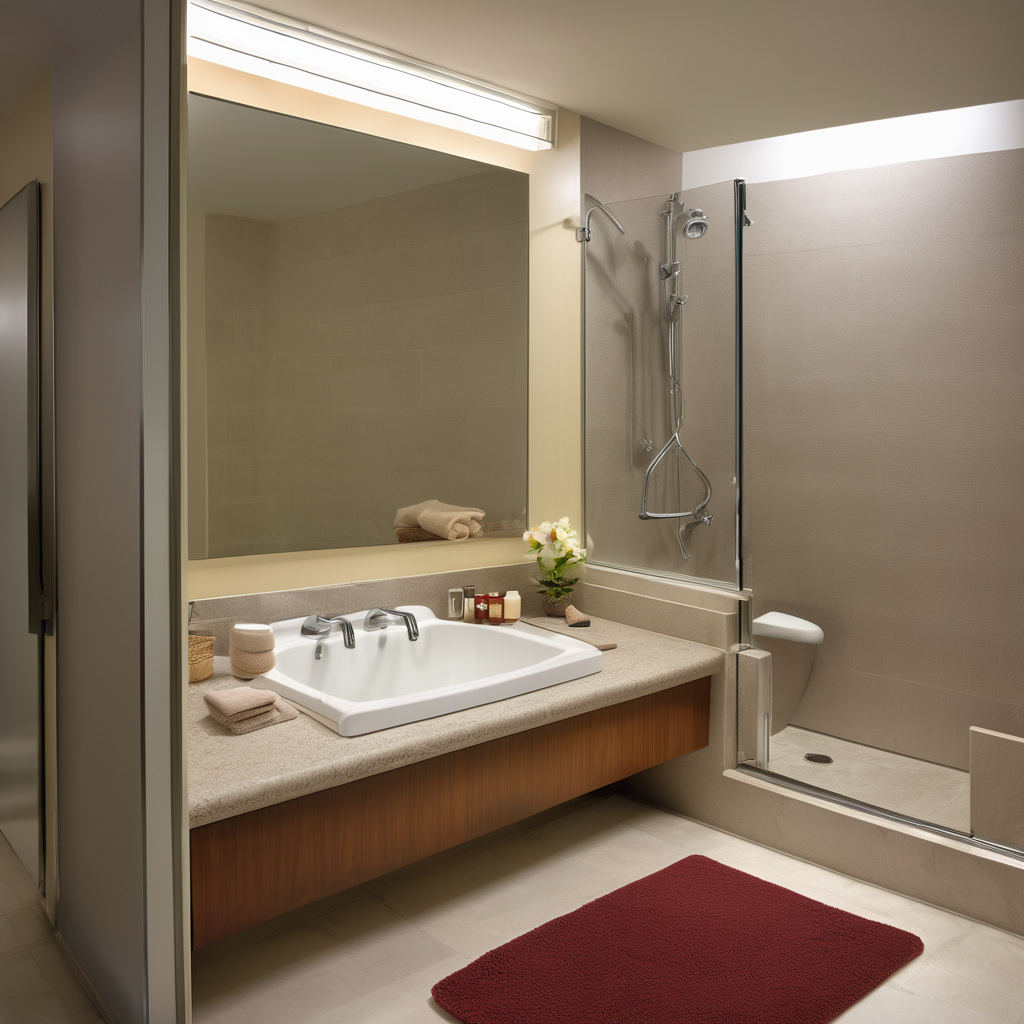
Understanding the benefits of voice control in accessible bathroom design requires looking at the specific applications that restore autonomy. This isn't a single gadget; it's an integrated ecosystem that responds to the user's needs with conversational ease.
1. Water and Plumbing Management
The interaction with water is central to the bathroom experience and often presents the most significant risks, from scalding to slipping. Voice activation mitigates these dangers beautifully.
- Smart Showers & Faucets: A command like, "Hey Google, set the shower to 101 degrees," eliminates the need to fine-tune slippery knobs. Users can turn water on or off, adjust temperature to a precise, safe level, and even switch between shower heads, all hands-free. This is invaluable for those with arthritis, limited strength, or visual impairments.
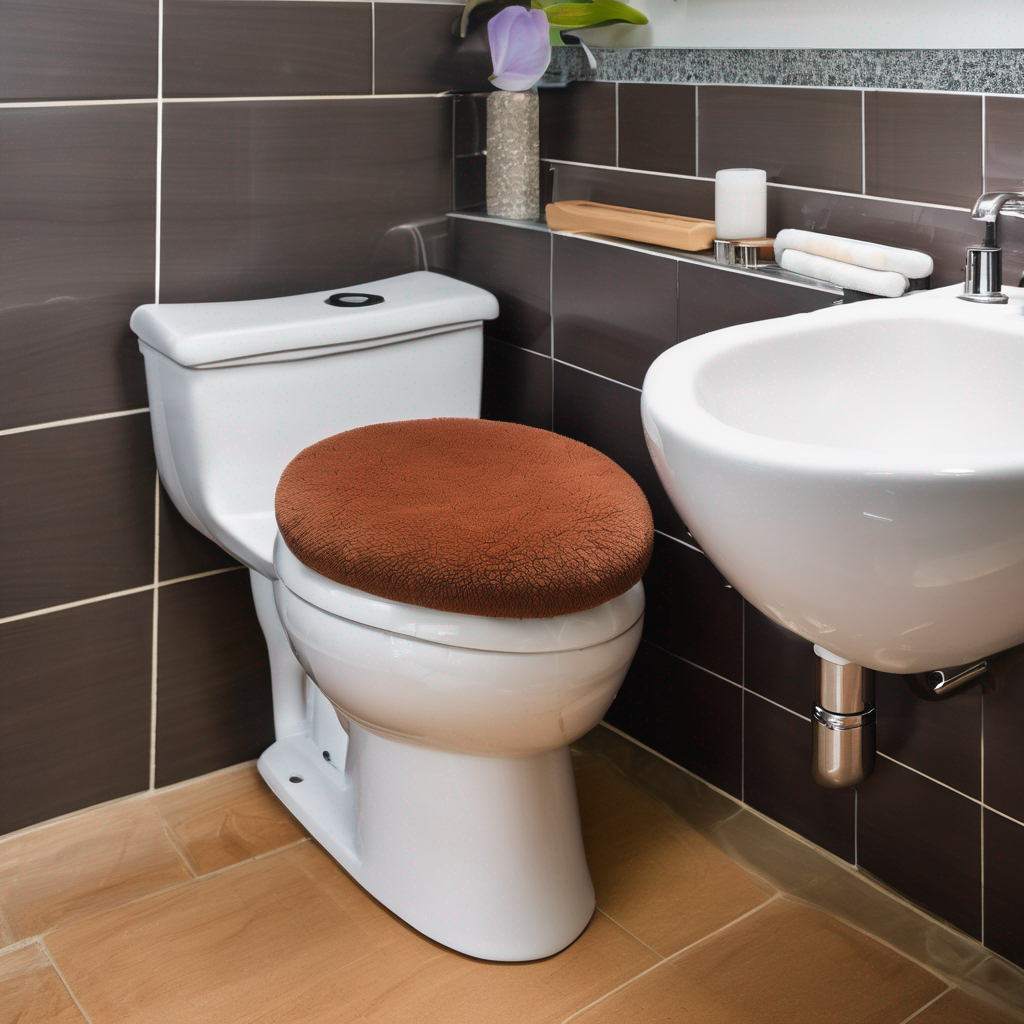
- Smart Toilets & Bidets: The ultimate in personal hygiene and dignity. Voice commands can control flushing, activate bidet functions, adjust water and air-dryer temperatures, and even raise or lower the seat. This reduces the need for caregiver assistance in the most personal of moments.
- Automated Bathtubs: Voice-activated systems can fill a tub to a preset depth and temperature, monitoring for overflow and ensuring it's ready and safe upon entry.
2. Ambiance and Environmental Control
A safe environment is one that adapts to the user. Voice technology gives individuals effortless command over the entire sensory experience of the bathroom, which is critical for safety and comfort.
- Intelligent Lighting: Commands such as, "Siri, turn the bathroom lights to 50%," can prevent the blinding glare of full-power lights during nighttime visits, preserving night vision and reducing disorientation. Lights can be brightened for tasks like grooming and softened for relaxation, all without fumbling for a switch.
- Climate and Ventilation: A simple utterance can activate an exhaust fan to reduce moisture and prevent slips, or adjust the room's temperature via a smart thermostat or turn on heated flooring before the user even enters the room.
A Blueprint for Independence: The Human Impact
The technology is impressive, but its true value lies in the human stories it enables. The real-world impact of voice-activated technology in modern accessible bathrooms is a story of restored dignity and expanded possibilities.
- For Seniors Aging in Place: The primary goal is reducing fall risk. By eliminating the need to reach for light switches in the dark, twist stubborn faucet handles, or step into a shower that is too hot, voice control removes dozens of small, daily risks that can lead to a catastrophic fall.
- For Individuals with Mobility Challenges: For a person in a wheelchair or someone with conditions like Multiple Sclerosis or Parkinson's, voice control isn't a luxury; it's a bridge. It overcomes physical barriers, allowing them to perform daily hygiene routines independently and with less fatigue.
- For Users with Visual Impairments: The auditory feedback and control offered by voice assistants provide a reliable and safe way to interact with the bathroom environment without needing to see controls or read temperature dials.
- For Caregivers: This technology provides peace of mind. Caregivers can be alerted to potential issues like leaks or even, through integrated sensors, a potential fall. It also empowers the person they care for, reducing dependency and fostering a more positive relationship.
Navigating the Considerations: Privacy, Cost, and Installation
A complete guide to implementing voice-activated fixtures in an accessible bathroom must also address the practical hurdles. While the benefits are clear, potential adopters should consider several factors:
- Privacy: Always-on microphones are a valid concern. It's crucial to choose devices from reputable manufacturers (like Amazon, Google, Apple) that have robust privacy controls, including physical mute switches and clear data management policies.
- Connectivity: These devices rely on a stable Wi-Fi network. Ensuring strong, consistent coverage in the bathroom—a room often filled with signal-blocking materials like tile and pipes—is a prerequisite for reliable performance.
- Installation: While some devices are simple plug-and-play, integrated systems like smart showers and toilets require professional installation by a licensed plumber and electrician familiar with smart home technology.
- Cost: The initial investment can be higher than traditional fixtures. However, when weighed against the potential cost of assisted living or the incalculable value of independence and safety, many find the return on investment to be profound.
Frequently Asked Questions (FAQ)
What happens if the internet or power goes out?
Is this technology difficult for non-tech-savvy seniors to learn?
Can voice commands be customized for different users?
Do I need to replace all my fixtures to get started?
The Future is Fluent
The journey of voice-activated technology in the modern accessible bathroom is just beginning. We are moving toward a future of proactive, predictive care. Imagine a bathroom that recognizes a user's gait is unsteady and automatically illuminates a path, or a smart toilet that analyzes waste for early signs of health issues and can discreetly notify a family member or physician. The bathroom is evolving from a static room into an intelligent health and wellness partner.
By removing friction and replacing physical effort with simple conversation, we are not just installing gadgets; we are architecting dignity. We are building spaces that don't just accommodate limitations but actively empower individuals to live safer, more independent, and fuller lives.