
The Definitive Guide: Pros and Cons of Slip-Resistant Luxury Vinyl Flooring for Bathrooms

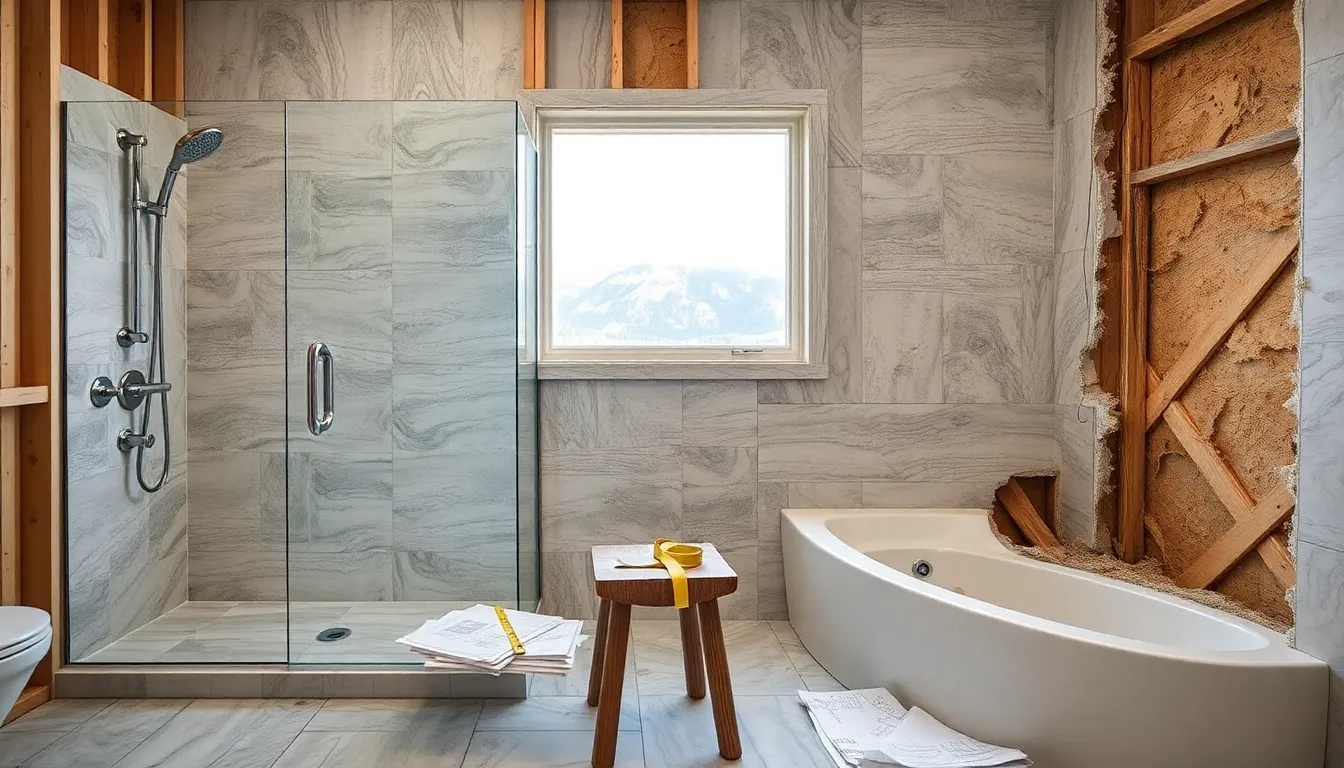
The bathroom is a sanctuary, but it's also ground zero for slips and falls. In the quest for the perfect balance of safety, style, and durability, one material has emerged as a dominant contender: slip-resistant Luxury Vinyl Flooring (LVF). This guide offers a Pulitzer-level deep-dive into this innovative flooring solution.
We move beyond the surface-level sales pitches to provide a comprehensive analysis, meticulously evaluating the pros and cons of slip-resistant LVF for your most demanding space. Whether you're renovating a master suite or a high-traffic family bathroom, this is your authoritative resource for making an informed decision.
What Exactly Is Slip-Resistant Luxury Vinyl Flooring?
Before dissecting its performance, it's crucial to understand the material itself. Luxury Vinyl Flooring is a multi-layered, synthetic flooring product that is worlds apart from the sheet vinyl of decades past. It comes in two primary formats: Luxury Vinyl Tile (LVT), which mimics stone or ceramic, and Luxury Vinyl Plank (LVP), which emulates hardwood.
The "slip-resistant" quality isn't just a marketing term; it's an engineered feature. It's achieved through:
- Embossed in Register (EIR) Texturing: The surface texture is precisely aligned with the visual pattern underneath, creating realistic grain patterns or stone clefts that significantly increase surface friction.
- Advanced Wear Layers: The top protective layer is often infused with ceramic beads or other particles that create a high-traction, durable finish that stands up to water and wear.
- High DCOF Ratings: Reputable manufacturers provide a Dynamic Coefficient of Friction (DCOF) rating. According to industry standards (ANSI A326.3), a DCOF rating of 0.42 or higher is recommended for areas that may get wet, making it a critical number to look for.
The Unmistakable Pros: Why LVF Excels in the Bathroom
The advantages of using a high-quality, slip-resistant LVP or LVT in the bathroom are compelling and numerous, addressing the core challenges of this unique environment.
Pro 1: Unparalleled Safety & Peace of Mind
This is the paramount benefit. The textured surface provides superior grip underfoot, even when wet, drastically reducing the risk of slips and falls. This is non-negotiable for households with young children, elderly family members, or individuals with mobility challenges. The peace of mind that comes from knowing your floor is engineered for safety is invaluable.
Pro 2: It is 100% Waterproof
Unlike laminate or hardwood, LVF's core is typically made of PVC, rendering it completely impervious to water. Spills from the tub, shower overspray, and high humidity pose no threat. It will not swell, buckle, or delaminate when exposed to moisture, making it one of the few truly waterproof flooring options available.
Pro 3: Astonishing Durability
A high-quality LVF product is built to last. Its commercial-grade wear layer protects against scratches, scuffs, dents, and stains from dropped cosmetics or cleaning agents. This resilience makes it a perfect choice for a high-traffic family bathroom that sees constant use.
Pro 4: Limitless Aesthetic Versatility
Modern high-definition printing technology allows LVF to flawlessly replicate the look of almost any natural material. From the warm grain of reclaimed oak to the elegant veining of Carrara marble or the rugged texture of slate, you can achieve a high-end look without the cost or maintenance drawbacks of the real thing.
Pro 5: Comfort and Warmth Underfoot
One of the most common complaints about traditional tile is its cold, hard feel. LVF is noticeably softer and retains warmth far better, making those early morning trips to the bathroom a much more pleasant experience. Its slight give also makes it more comfortable to stand on for extended periods.
The Important Cons and Considerations
No material is perfect. Acknowledging the potential drawbacks of textured LVT for bathroom safety and performance is key to a successful project.
Con 1: Susceptible to Punctures from Sharp Objects
While tough, LVF is a "resilient" flooring, meaning it's softer than stone or ceramic. Dropping a very heavy or sharp object, like a pair of scissors or a metal razor, can potentially gouge or puncture the surface. While repairs are possible, they can be difficult to make seamless.
Con 2: Subfloor Preparation is Absolutely Critical
This is the most critical factor for a successful installation. LVF is thin and flexible, so any imperfections in the subfloor—bumps, dips, or even debris—will eventually "telegraph" through to the surface, creating visible high and low spots. The subfloor must be perfectly clean, flat, and smooth before installation begins.
Con 3: Can Fade with Prolonged, Direct UV Exposure
For most bathrooms, this is a minor concern. However, if your bathroom features a large, south-facing window without UV-filtering glass, the intense, direct sunlight over many years could potentially cause the flooring's color to fade. Using curtains or blinds can easily mitigate this.
Con 4: Lower Perceived Resale Value in Ultra-Luxe Homes
While LVF is widely accepted and celebrated, in the highest echelons of the real estate market, some buyers may still have a preference for natural materials like marble or travertine. For most mid-to-upper-range homes, however, a high-quality, professionally installed LVF is seen as a significant upgrade and a positive selling point.
Final Verdict: Is Luxury Vinyl Plank a Good Choice for a Family Bathroom?
After a thorough examination of the pros and cons, the conclusion is overwhelmingly positive. For the vast majority of bathroom renovations, slip-resistant luxury vinyl flooring represents a near-perfect synthesis of safety, performance, and design.
The benefits of non-slip vinyl flooring in a wet room—namely its waterproof nature and enhanced safety—directly address the primary functional demands of the space. When coupled with its durability, low maintenance, and expansive style options, it presents a value proposition that is difficult for other materials to match. The potential cons are manageable and, in most residential settings, negligible when weighed against the powerful advantages.
Authoritative Answers to Common Questions
Is all luxury vinyl flooring slip-resistant?
How is slip resistance measured in LVF?
Can you install slip-resistant LVT over existing bathroom tile?
How does the textured surface of slip-resistant vinyl affect cleaning?
What's the difference between LVT and LVP for a bathroom?
Have Questions About Your Bathroom or Remodeling Project?
Talk to our licensed Utah specialists about layout, ADA compliance, or custom renovations.