It begins as a whisper during the morning routine—a flicker of an idea while navigating the high wall of a dated bathtub. The thought crystallizes into a vision: a seamless, spa-like walk-in shower. A space that is not just more beautiful and modern, but safer, more accessible, and profoundly more functional. But then, the inevitable, pragmatic question arrives: **What is the real cost of converting a standard bathtub to a walk-in shower?**
Forget simple estimates. This is not a one-size-fits-all purchase; it's a multi-faceted construction project nested within the most crucial room of your home. The final invoice is a tapestry woven from threads of labor, material choices, plumbing complexity, and your own aesthetic ambitions. This guide is your definitive map, navigating every line item, hidden cost, and value consideration to provide a clear, authoritative answer.
The National Average: On average, homeowners can expect the cost to convert a bathtub to a walk-in shower to range from **$6,000 to $15,000**. A basic conversion using a prefabricated kit might fall between $3,000 and $7,000, while a high-end, custom-tiled project with plumbing relocation can easily exceed $20,000.
Deconstructing the Bill: A Line-by-Line Cost Breakdown
To truly understand the **average price to replace a tub with a walk-in shower**, we must dissect the project into its core components. Each element carries its own price tag and range of possibilities.
1. Labor: The Engine of Your Project ($2,000 - $6,000+)
This is often the single largest expense. It's not just one person; it's a coordinated team of specialists. A general contractor will manage the project, but you're paying for the expertise of plumbers, tilers, and potentially electricians and carpenters. Labor costs vary dramatically by geographic location but typically account for 40-60% of the total budget.
2. Demolition and Disposal ($400 - $1,000)
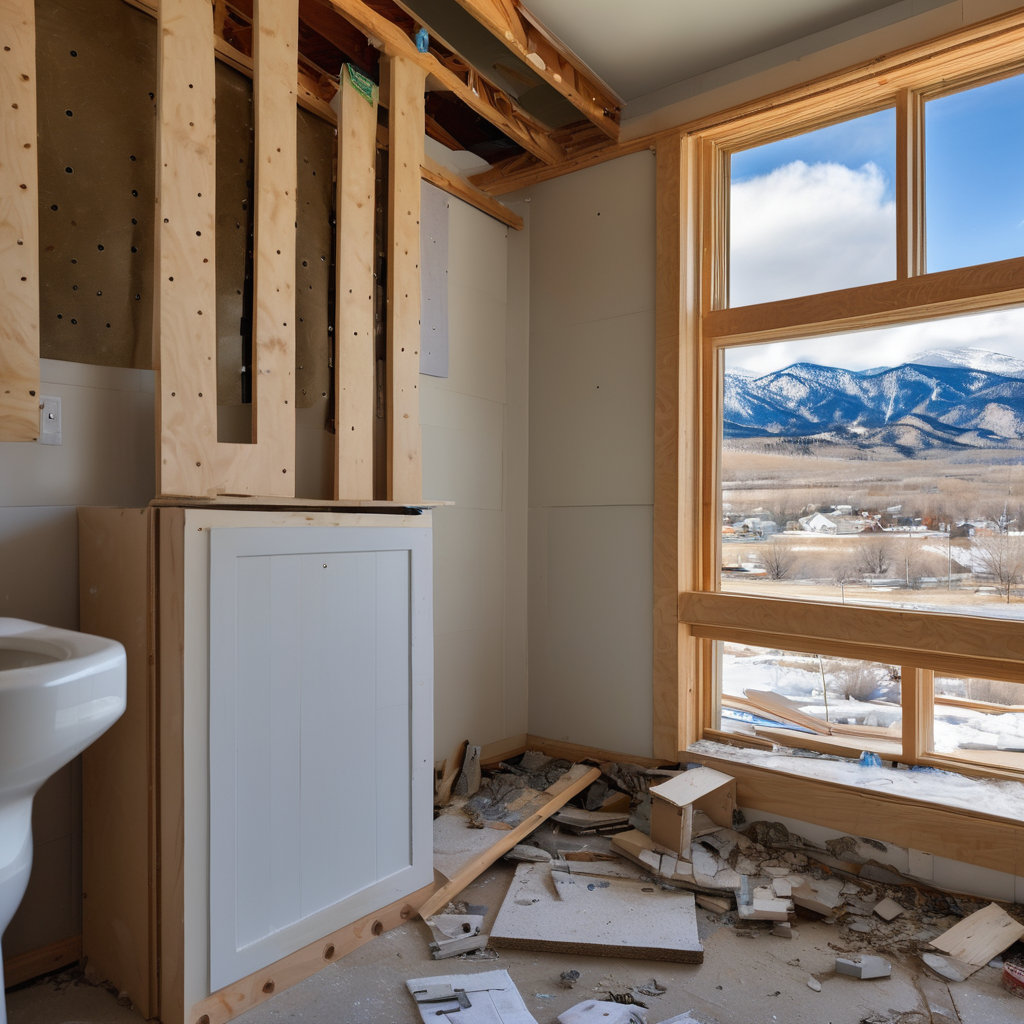
The old must make way for the new. This involves carefully removing the existing bathtub (cast iron tubs are exceptionally heavy and difficult), tearing out the old tile or wall surround, and hauling away all debris. This phase can also uncover unpleasant surprises, like subfloor water damage, which will require remediation at an additional cost.
3. Shower Base or Pan ($300 - $2,000)
This is the foundation of your shower. The choice here has significant cost implications:
- Prefabricated Base: Made from acrylic or fiberglass, these are the most cost-effective options ($300 - $800). They are durable, easy to clean, and quick to install.
- Custom Tiled Base: This involves building a mortar bed sloped perfectly to the drain and then tiling it. It offers a seamless, high-end look but requires expert labor and superior waterproofing, pushing the cost to $1,000 - $2,000+ for labor and materials.
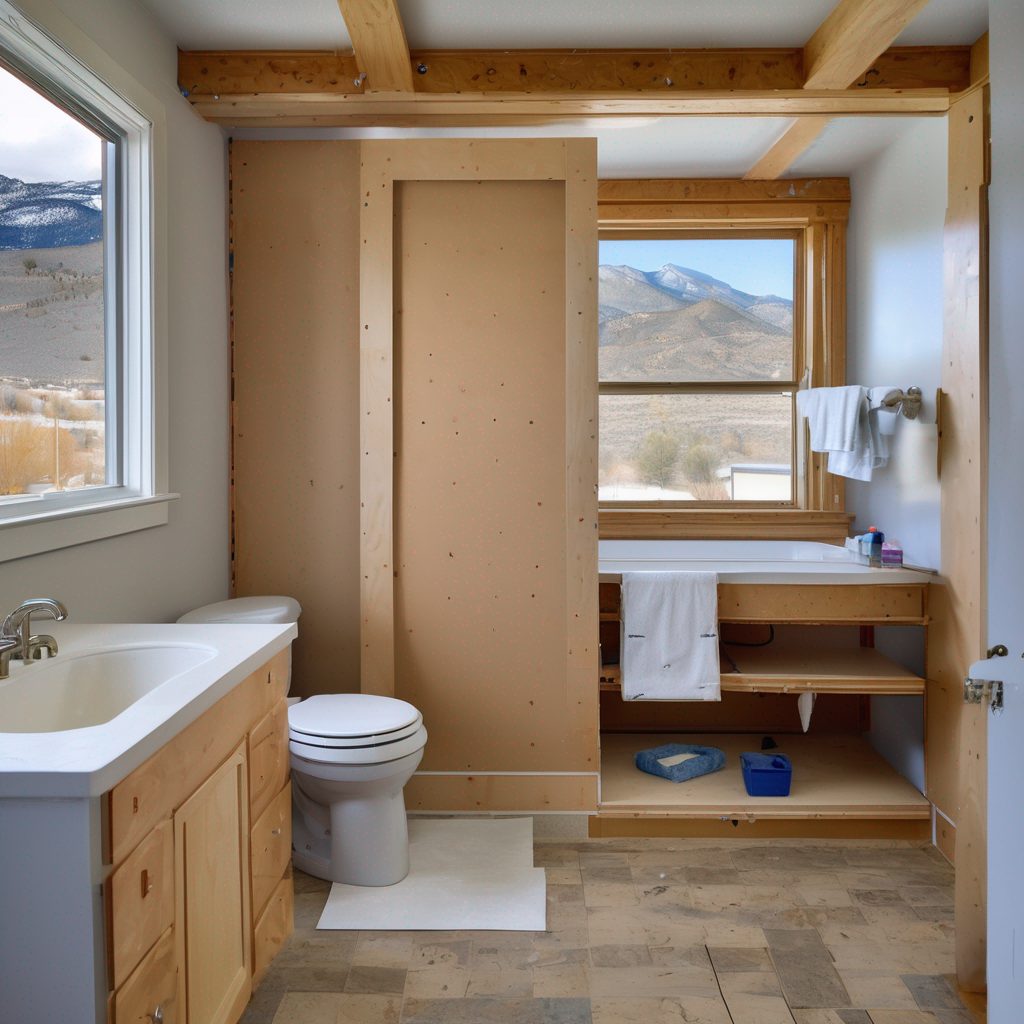
4. Wall Surrounds: The Visual Centerpiece ($800 - $7,000+)
What you see every day. The material you choose for the walls is a primary driver of both the final look and the **cost breakdown for a tub-to-shower conversion**.
- Acrylic/Fiberglass Panels: The budget-friendly choice ($800 - $2,500 installed). They are non-porous, low-maintenance, and install quickly.
- Ceramic or Porcelain Tile: The most popular option, offering endless design versatility. The cost varies wildly based on the tile itself, from $5 per square foot for basic subway tile to $50+ for designer options. Installed cost typically runs $2,000 - $5,000.
- Natural Stone (Marble, Travertine): The peak of luxury, delivering unparalleled beauty. It's also porous, requires sealing, and is very expensive to purchase and install, often running $4,000 - $7,000+.
5. Shower Door ($800 - $3,000+)
The door—or lack thereof—completes the space. Frameless glass doors are the modern standard, offering an open, airy feel, but they come at a premium due to the thick, tempered glass and specialized hardware. A simple framed or semi-frameless door will be more budget-conscious.
6. Plumbing and Fixtures ($500 - $2,500)
This category includes the shower valve, showerhead, and any handheld sprayers or body jets. A basic pressure-balanced valve and showerhead from a reputable brand might cost $500 installed. A high-end thermostatic valve (which controls temperature and volume separately) paired with a luxury rain showerhead can easily push this figure over $2,000. The biggest jump in the **labor cost to convert a tub to a shower** comes if you need to move the drain or supply lines, which can add $1,000-$2,500 to the plumbing bill.
Beyond the Basics: Upgrades & Hidden Cost Factors
The initial quote covers the core conversion. But several factors can inflate the budget, sometimes unexpectedly. Understanding these helps you plan for a more accurate total investment.
- Waterproofing ($300 - $800): This is non-negotiable and a critical part of the process. Professionals use systems like liquid membranes (e.g., RedGard) or sheet membranes (e.g., Schluter-KERDI) behind the walls and under the pan. Skimping here is a recipe for disaster.
- Structural & Electrical: Discovering rotten subfloor during demo requires immediate repair ($500 - $1,500). Adding new lighting, like a recessed LED in the shower, or a new vent fan requires an electrician and can add $400 - $1,200.
- Luxury Add-ons: This is where you can truly customize. A built-in tiled bench adds $400-$800. Tiled niches for shampoo bottles add $200-$500 each. A steam shower system can add $3,000-$6,000.
- Accessibility Features: Creating a zero-threshold or "curbless" entry is a complex job that can add $1,000-$2,500 due to the need to modify floor joists. Professionally installed grab bars and a fold-down seat will add another $400-$900 but are invaluable for aging-in-place. Exploring the **cost of converting a tub to a walk-in shower for seniors** often involves prioritizing these features.
The Ultimate FAQ: Your Bathtub-to-Shower Conversion Questions Answered
How long does a tub-to-shower conversion take?
Does converting a tub to a shower decrease home value?
Can I convert a tub to a walk-in shower myself (DIY)?
What is the most expensive part of a tub-to-shower conversion?
Is a permit required to replace a bathtub with a shower?
An Investment in Your Daily Life
Ultimately, the **cost of converting a bathtub to a walk-in shower** is more than a number on an invoice; it's an investment in your home's function, safety, and aesthetic. By understanding where your money goes—from the foundational waterproofing to the gleaming fixtures—you can make informed decisions that align your vision with your budget. Whether you opt for a practical, prefabricated unit or a bespoke, custom-tiled oasis, the result is a daily upgrade that you'll appreciate for years to come.