
East Bench Canyon Wind Roof Inspections in Utah: Spotting Hidden Creases

Even if zero shingles land in your yard after an 80+ mph Utah canyon windstorm, lifting gusts routinely snap factory thermal sealant strips, blow fine Wasatch dust underneath so tabs can never reseal, and leave dark horizontal fiberglass-mat creases near the nail line. Once winter snow sits on unsealed, creased shingles, water wicks straight around nails. Urban Design & Remodel (Utah DOPL #10146123-5501, (801) 440-1952) performs forensic slope-by-slope wind inspections across Salt Lake, Davis, and Weber East Benches.
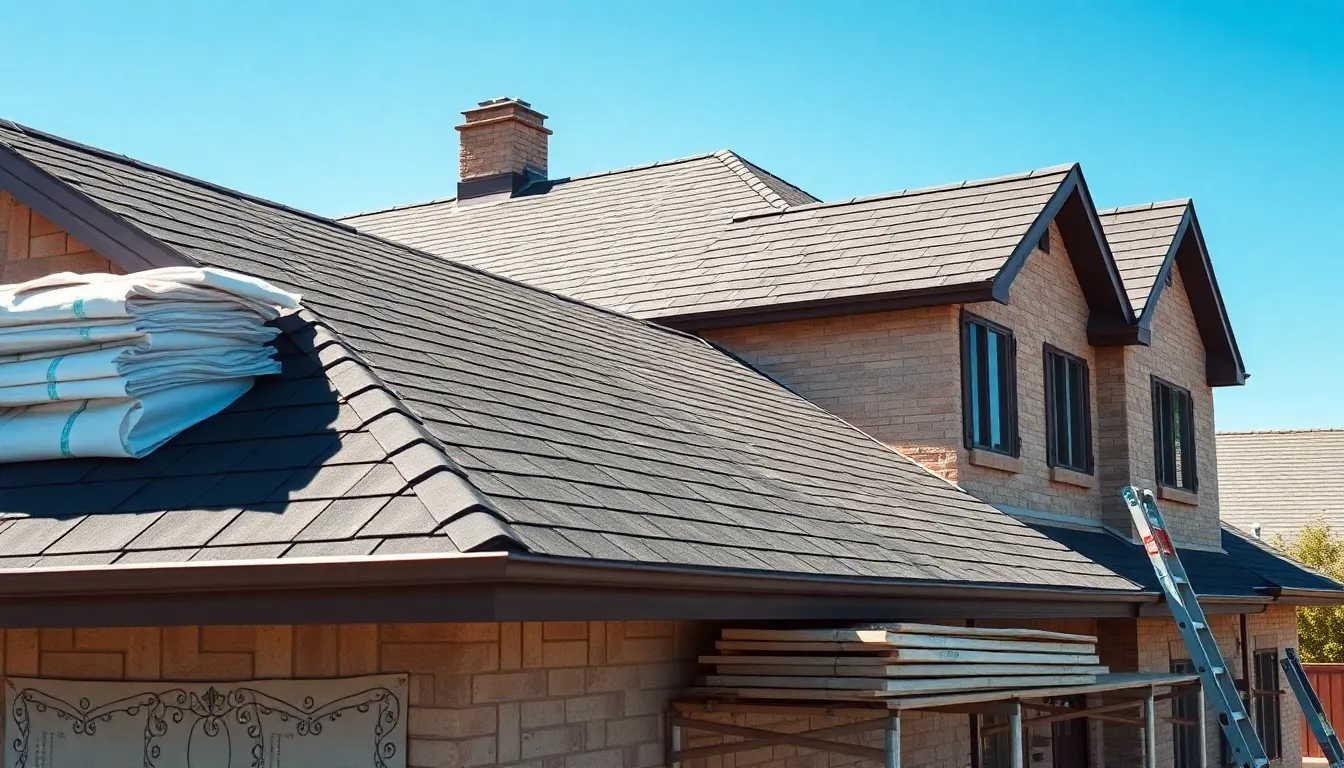
Along Utah's East Bench—from Draper's SunCrest and Sandy's Little Cottonwood mouth up through Holladay, Olympus Cove, Bountiful, Centerville, Farmington, and Ogden Canyon—downslope easterly canyon winds behave like localized Category 1 and Category 2 hurricanes. Accelerated by pressure differentials spilling across Wasatch passes, 75 to 105 mph rotors slam sideways and upward against roof rakes and ridges. Most homeowners walk outside the next morning, check the lawn for loose shingles, see nothing on the grass, and assume their roof survived unscathed—only to discover stained ceilings 14 months later after their insurance claim filing window has tightened.
Why Unsealed & Creased Shingles Lay Flat Once Canyon Winds Stop
Asphalt architectural shingles depend on a continuous line of thermally activated bitumen sealant bonding each upper shingle's leading edge down onto the course below. During a cold November or February canyon wind event, 85-mph gusts catch tiny overhang lips, pop that adhesive bond apart with an audible snap, and hinge the shingle upward at a 45-to-90-degree angle against its nail line. Simultaneously, airborne Wasatch silt coats both halves of the sticky strip like flour on tape—permanently preventing solar resealing. Once the wind dies down, gravity lays the shingle flat again, hiding the fractured fiberglass mat crease from ground-level binoculars.
- Look for subtle 1/8-inch dark horizontal lines across the top of exposure tabs where granules popped out of the bend
- Gentle two-finger lift testing (never forcing sealed tabs!) reveals whole slopes fluttering loose like playing cards
- Unsealed tabs flap repeatedly in every subsequent 35-mph breeze until tabs tear off completely
4 High-Failure Zones on East Bench Roofs After Downslope Gusts
Downslope canyon winds generate extreme negative suction vortices along sharp geometric edges rather than uniform pressure across flat roof centers. During a forensic Urban Design & Remodel East Bench inspection, we map four predictable failure vectors first: (1) East- and north-facing gable rake edges where builders skipped perimeter starter sealant strips; (2) High hip and ridge cap lines where short 1.25-inch nails barely grazed OSB sheathing; (3) Step-flashed dormer cheek walls where swirling eddies lift end shingles; and (4) High-nailed field courses where hurried crews shot fasteners 1.5 inches above the reinforced nailing zone.
- High-nailed shingles cut wind-uplift resistance from 130 mph down below 55 mph
- Missing or bent Type-D aluminum rake drip edge lets wind pressurize the gap under underlayment
- Turbine 'whirlybird' vents and flimsy aluminum box vents frequently torque off their bases in 85-mph gusts
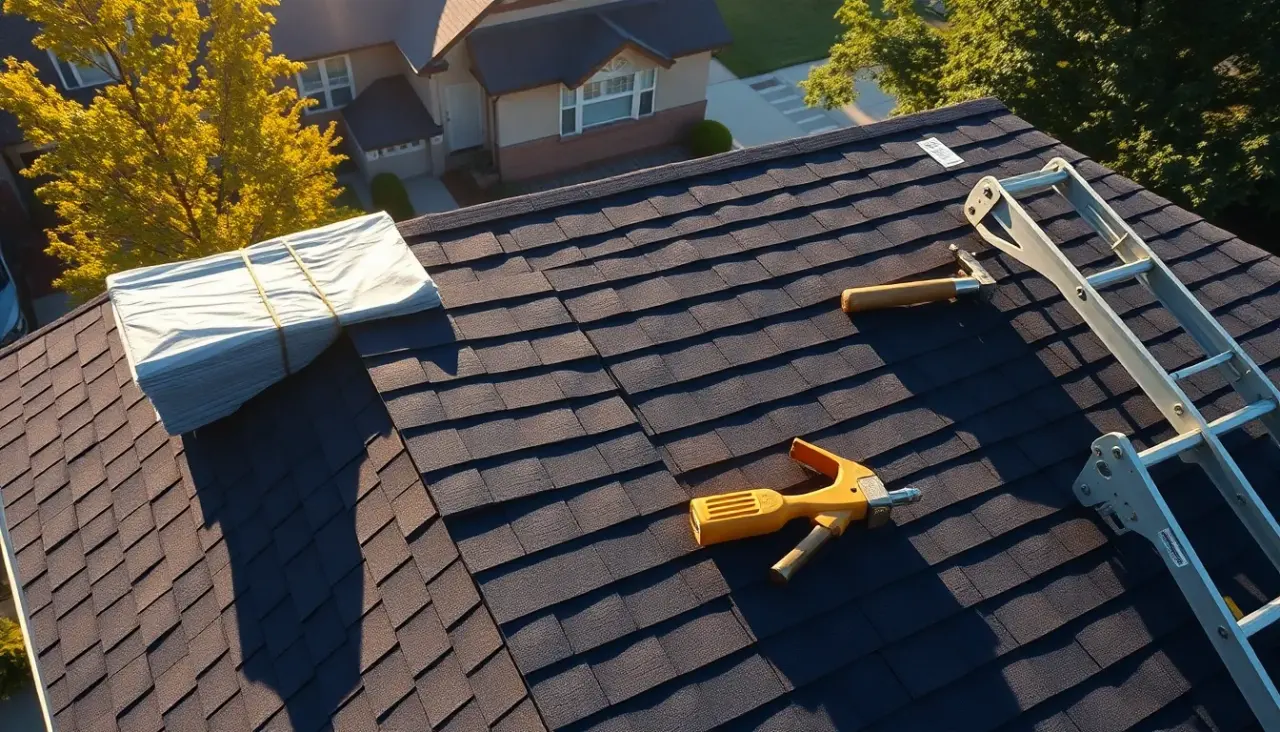
Forensic Storm Documentation vs Door-Knocking Fraudulent 'Creasing'
After every major Davis County or Cottonwood Heights windstorm, out-of-state storm-chaser salespeople flood neighborhoods—and unethical actors have been caught by insurance Special Investigation Units (SIU) intentionally bending cold shingles backward by hand to manufacture fake claims. Utah adjusters know the forensic difference immediately: natural canyon wind creases follow aerodynamic edge/ridge gradients and accumulate weathered dust inside torn mat fibers, whereas mechanical hand-creasing leaves fresh black asphalt smears and uniform 3-finger pinch marks. As a permanent Utah DOPL General Contractor (#10146123-5501), we document 100% authentic meteorological damage using chalk slope grids, wind-rose NOAA gust reports, and brittle/repairability tests.
- Slope-by-slope photo matrices tagging directional wind vectors (N, E, S, W elevations)
- Repairability testing demonstrating whether brittle adjacent shingles crack when lifting to nail replacements
- Direct on-roof adjuster walk-throughs speaking Xactimate and Utah IRC code fluently
Targeted High-Wind Repair vs Full Class H Roof Replacement
Not every wind-damaged East Bench roof needs a $20,000 tear-off—and we tell homeowners straight when a surgical $850–$1,800 repair solves the issue. If your roof is an 8-year-old pliable architectural or SBS shingle where canyon gusts only peeled 12 linear feet of ridge cap and six rake tabs, lacing in color-matched shingles with 6-nail ring-shank fastening and ASTM D4586 hand-sealing restores watertight integrity fast. Conversely, when 25%+ of an aging 17-year-old slope suffers broken seals and mat fractures—and lifting surrounding brittle courses causes cascading cracks—full replacement to Class H 150-mph standards is the only sound fix.
- Honest repair-first triage when localized damage is repairable without fracturing adjacent tabs
- Upgrades full replacements to 6-nail woven SureNail or SBS Class 4 + eave/rake adhesive starters
- Emergency waterproof synthetic tarping available before post-windstorm snow arrives
Utah Canyon Wind Roof Triage: Symptom, Risk Level & Recommended Action
| Post-Windstorm Roof Finding | Visible From Ground? | Winter Leak Risk | Recommended Engineering Fix |
|---|---|---|---|
| Missing Ridge Caps / Blown-Off Tabs | Yes (Exposed black felt/OSB) | Immediate / Severe | Emergency dry-in + laced shingle/cap repair |
| Horizontal Mat Creases Along Nail Line | Rarely (Tabs lay flat after wind) | High (Fiberglass mat fractured) | Forensic slope audit; replace slope/roof if widespread |
| Broken Thermal Seal + Dust Contamination | No (Requires gentle tactile check) | Moderate–High in blowing snow | Hand-tab w/ D4586 cement if mat intact; else replace |
| Lifted Rake Drip Edge / Starter Peel | Sometimes (Wavy gable line) | High during next 60+ mph gust | 26-ga steel drip edge + adhesive rake starter retrofit |
Grant Helmer's Utah Field Pro-Tip (DOPL #10146123-5501)
Never let an uninvited door-knocker climb onto your East Bench roof alone without watching from the ladder or requesting before-and-after continuous video. Legitimate Utah DOPL contractors inspect gently with open palms and chalk—never prying sealed shingles open with a putty knife—and gladly invite you or your adjuster to verify every mark.
Frequently Asked Questions: Wind Damaged Roof Inspection Utah
How long after a Utah canyon windstorm do I have to file a roof insurance claim?
Most Utah homeowners insurance policies specify a 12-month (and occasionally 24-month, depending on carrier policy language) window from the specific NOAA-verified date of loss to report wind peril damage. Waiting two winters lets water rot OSB decking, turning a covered wind claim into an excluded 'long-term seepage/neglect' denial.
Why did my neighbor's roof blow off in Farmington or Sandy while mine stayed on?
Small installation details create massive survival gaps at 90 mph: roofs nailed with 6 ring-shank fasteners directly through reinforced nail strips and sealed at rakes with starter strips survive 130+ mph gusts, whereas 4-nail roofs with high nails two inches above the line peel off at 60 mph.
Can unsealed shingles reseal themselves when summer sun heats the roof?
Brand-new shingles installed in winter will thermally seal once spring sunshine hits 65°F+. However, older shingles blown loose during a dusty Utah canyon windstorm get coated with microscopic mineral silt across the bitumen strip—preventing the adhesive from ever re-bonding without manual roofing-cement tabbing.
What wind rating should I specify when replacing an East Bench Utah roof?
Always specify ASTM D7158 Class H (150 mph) and ASTM D3161 Class F (110 mph) rated architectural or SBS shingles installed strictly to the manufacturer's 6-nail high-wind bulletin with starter strip sealant along all eaves AND gable rakes.
Related Utah Roofing, Bathroom & Remodeling Resources
Schedule Your Salt Lake County & Wasatch Front, UT Inspection or Design Quote
Direct owner consultation with Grant Helmer (Utah DOPL #10146123-5501) — zero high-pressure sales.