Carpet vs. LVP in Utah Basements: Balancing Warmth, Acoustics & Flood Safety
The smartest Utah basement flooring design uses a zoned hybrid layout: install 20-mil rigid-core SPC luxury vinyl plank over a 6-mil vapor barrier ($6.50–$9.75/sq ft installed) through hallways, wet bars, and game zones for flood resilience, and inset plush nylon or triexta carpet over 8-pound moisture-shield padding ($4.25–$7.50/sq ft) inside bedrooms and media rooms for warmth. Call Urban Design & Remodel at (801) 440-1952 (DOPL #10146123-5501).
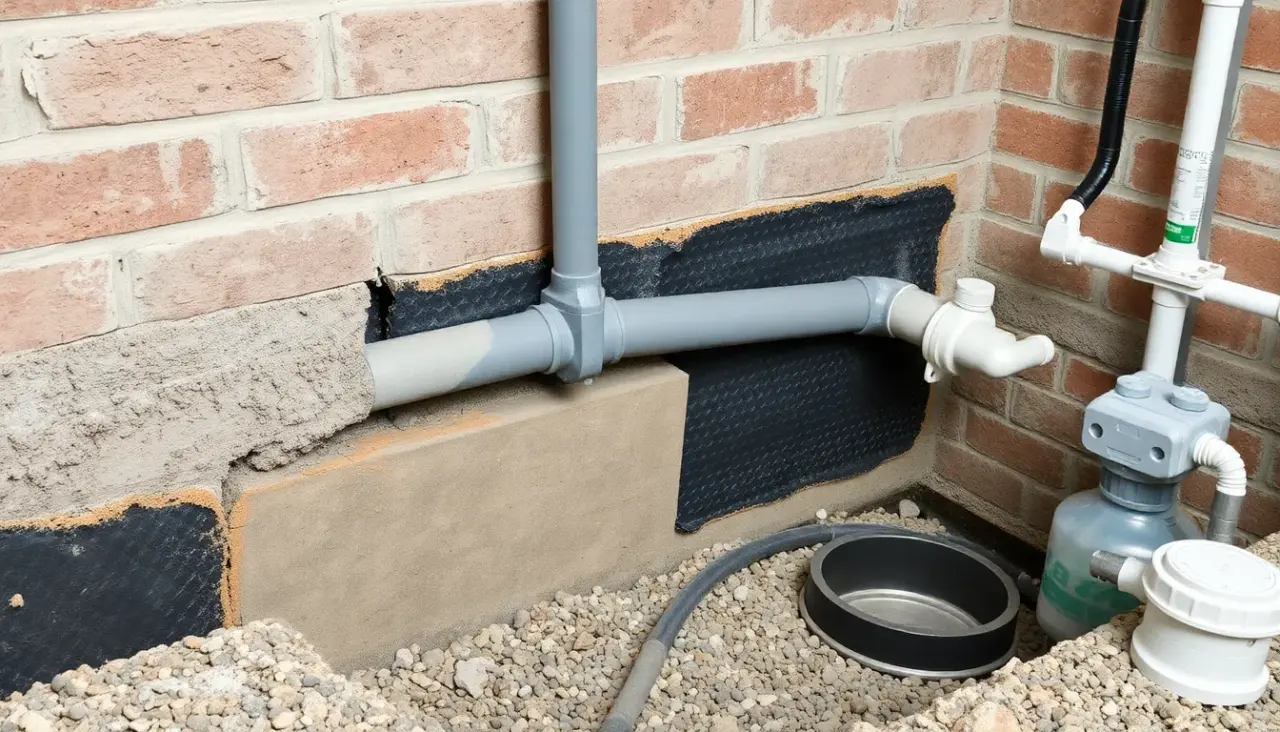
Finishing or remodeling a below-grade basement along the Wasatch Front forces homeowners to solve two competing physical realities. First, deep Salt Lake Valley soil keeps uninsulated 4-inch concrete basement slabs hovering between 52°F and 56°F even in July, making bare hard surfaces feel chilly underfoot during movie nights. Second, basements house water heaters, foundation window wells, sump pits, main sewer cleanouts, and kitchenette ice makers—making water intrusion a genuine financial threat. Rather than choosing an all-or-nothing compromise, engineering floor assemblies room-by-room delivers bare-foot thermal comfort where families lounge and 100% waterproof protection where plumbing and snow boots travel.
Why Utah Concrete Slabs Demand Vapor Barriers Beneath Rigid-Core LVP
Marketing brochures tout SPC luxury vinyl plank as completely waterproof, which tempts DIY installers into laying planks directly onto bare basement concrete. However, concrete slabs poured over Jordan River bench clays and seasonal high-water-table zones in Murray, Midvale, and South Jordan continuously emit invisible water vapor via capillary action. Trapped directly beneath an impermeable vinyl plank with cork or IXPE foam backing, high alkaline moisture vapor (exceeding 85% internal relative humidity per ASTM F2170 probe testing) breeds musty mildew odors, efflorescence crystals, and degraded click locks. We always overlap and tape a continuous 6-mil virgin polyethylene vapor retarder—or install a dimpled thermal air-gap membrane—under every square foot of basement LVP.
- ASTM F2170 concrete slab relative humidity testing identifies hidden capillary vapor before laying planks
- 6-mil taped polyethylene sheet costs pennies per foot and preserves manufacturer lifetime LVP warranties
- Dimpled thermal subfloor panels (such as DMX 1-Step) raise surface floor warmth by 5°F to 7°F over bare slabs
Plush Carpet & Breathable Spill-Guard Padding for Bedrooms and Theaters
Inside basement guest bedrooms and dedicated home theaters, wall-to-wall carpet solves both thermal conductivity and room acoustics simultaneously. Hard vinyl floors bounce surround-sound midrange dialogue off gypsum walls and low ceilings, creating muddied echo, whereas a dense 45-to-60-ounce face-weight solution-dyed nylon or triexta carpet paired with 7/16-inch, 8-pound density rebond cushion absorbs room reflections cleanly while adding an insulating R-value near 2.1 underfoot. Crucially, over concrete slabs we specify top-skin spill-guard pad with a vapor-permeable underside—stopping pet accidents or spilled soda from soaking into the foam from above while permitting trace sub-slab moisture vapor to breathe safely without sweating against concrete.
- 8-lb 7/16-inch rebond cushion provides ~2.1 R-value thermal insulation against 54°F below-grade concrete
- Solution-dyed PET/triexta or nylon 6,6 fibers resist bleach spot-cleaning and heavy theater seating dents
- Concrete-pinned tack strips are swapped for commercial epoxy adhesive whenever slabs are post-tensioned
The Hybrid Zoning Blueprint: Where LVP Wins vs Where Carpet Wins
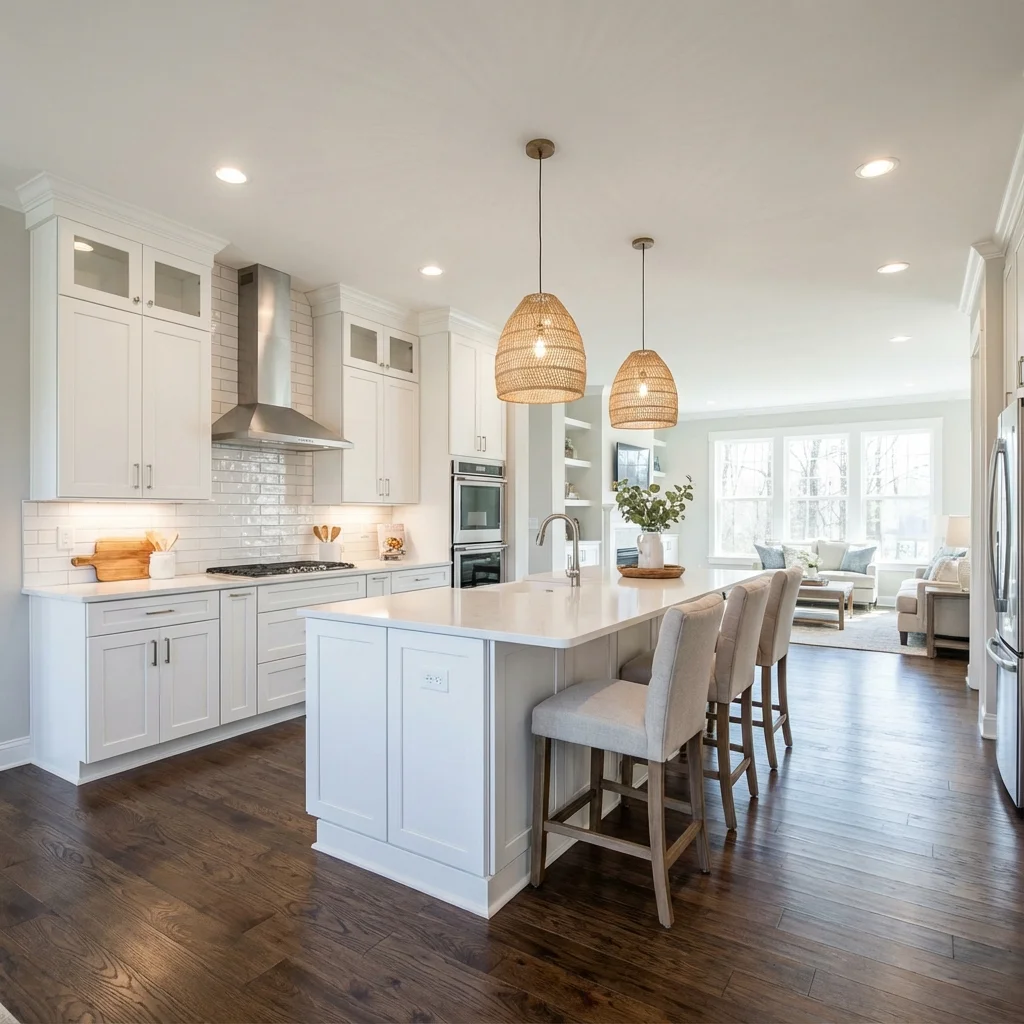
Across hundreds of Salt Lake County basement remodels, the highest-performing layout separates wet or active circulation paths from quiet sleeping and lounging retreats. We run continuous 7-inch-wide matte oak-look SPC LVP from the bottom of the basement stairs straight through main hallways, beneath kitchenette and wet-bar islands, across home gym or ping-pong game areas, and right up to bathroom tile thresholds. Basement bedrooms, walk-in closets, and dedicated media seating zones receive inset plush carpet stretched tightly against low-profile satin-anodized Z-bar metal tuck transitions positioned directly beneath closed 1-3/8-inch interior door slabs—creating crisp room boundaries where neither transition line shows when doors are shut.
- Waterproof SPC LVP shields hallways outside mechanical rooms, water heaters, and walkout patio doors
- Doorway transitions align exactly centered beneath the 1-3/8-inch door slab stop so seams stay invisible
- If a water heater pan overflows, hallway LVP planks can be unclicked, dried, sanitized, and reinstalled
Slab Crack Remediation and Self-Leveling Before Either Floor Goes Down
Shrinkage control joints and minor settlement cracks in Utah basement slabs behave very differently under carpet versus rigid-core LVP. Thick carpet padding easily bridges minor 1/8-inch slab waves, though unsealed shrinkage cracks allow soil radon gas and cold ground drafts to seep upward into sleeping quarters. Rigid 5.5mm to 7.5mm SPC vinyl planks, by contrast, will telegraph hollow clicking sounds and snap thin drop-lock end tongues over any concrete hump or curled control-joint lip exceeding 3/16 inch over 10 feet. Before laying either surface, our crew chases structural slab cracks with flexible elastomeric polyurethane sealant to block radon migration, diamond-grinds high control-joint curls, and feathers low depressions.
- Elastomeric polyurethane crack sealing blocks sub-slab radon gas entry prior to vapor barrier installation
- Control-joint lippage is diamond-ground flat and skimmed with feather-finish patch for silent LVP locks
- Optional Dricore insulated OSB subfloor panels add warm wood-feel bounce when budget and ceiling height allow
Utah Basement Flooring Performance Matrix: SPC LVP vs Plush Carpet vs Hybrid
| Basement Flooring System | Underfoot Warmth & Acoustics | Water & Flood Resilience | Installed Utah Cost / Sq Ft |
|---|---|---|---|
| 20-Mil SPC LVP + 6-Mil Poly | Cooler (~58°F surface); lively room echo without area rugs | 100% waterproof plank; salvageable after clean-water leaks | $6.50 – $9.75 / sq ft |
| LVP Over Dimpled Air-Gap Membrane | Noticeably warmer (+6°F); adds IIC 58+ impact cushioning | Handles minor slab seepage via underside drainage channels | $8.25 – $11.50 / sq ft |
| Solution-Dyed Carpet + 8-Lb Pad | Warmest barefoot feel (R-2.1); absorbs theater echo cleanly | Pad requires replacement after standing floodwater events | $4.25 – $7.50 / sq ft |
| Zoned Hybrid (LVP Halls + Carpet Rooms) | Warm bedrooms/theater + wipe-clean wet bar & traffic lanes | Contains mechanical/wet-bar spills before reaching bedrooms | $5.60 – $8.90 / sq ft blended |
Grant Helmer's Utah Field Pro-Tip (DOPL #10146123-5501)
On Utah basement remodels (DOPL #10146123-5501), always check your basement ceiling height before picking subfloor build-ups. In older 1970s Sandy or Murray ramblers with 88-inch rough joists, thick insulated subfloor panels eat precious headroom under IRC R305.1 ceiling rules—making low-profile dimpled membranes under LVP plus 8-pound carpet pad the winning combo.
Frequently Asked Questions: Lvp Vs Carpet In Basement Utah
Will basement LVP mold underneath if a water heater leaks in the mechanical room?
Even though SPC vinyl planks themselves cannot rot, floodwater that wicks beneath the perimeter expansion gap gets trapped between the plank backing and concrete slab. For any standing-water leak, planks in the wet zone should be carefully unclicked, dried with dehumidifiers, sanitized with antimicrobial cleaner, and re-laid.
What carpet fiber holds up best in finished Utah basement family rooms?
Solution-dyed nylon 6,6 offers the highest crush resilience for high-traffic basement stairs and hallways, springing back reliably after years of foot traffic, while solution-dyed triexta (SmartStrand) provides permanent built-in stain resistance and ultra-soft barefoot warmth inside basement bedrooms, playrooms, and family media lounges.
Can you install electric radiant heat mats under LVP in a cold basement?
Yes—low-profile UL-listed electric foil heating mats rated specifically for floating vinyl floors can be installed over a 6mm cork or synthetic thermal-break underlayment on concrete slabs, provided an embedded floor thermostat sensor caps maximum surface temperature between 80°F and 82°F per the LVP manufacturer's warranty.
How do you fasten carpet tack strips if my newer Utah home has a post-tensioned slab?
Post-tensioned concrete slabs—common across Daybreak, Herriman, and Bluffdale expansive soil subdivisions and stamped near the garage stem wall—must never be shot with concrete pins that could sever high-tension steel cables. Instead, we grind perimeter dust clean and bond wood tack strips down using structural two-part epoxy.
Related Utah Roofing, Bathroom & Remodeling Resources
Schedule Your Salt Lake County & Wasatch Front, UT Inspection or Design Quote
Direct owner consultation with Grant Helmer (Utah DOPL #10146123-5501) — zero high-pressure sales.