
16-Oz & 20-Oz Copper Roof Flashing and Valleys for Luxury Utah Homes

Architectural 16-ounce and 20-ounce cold-rolled copper roof valleys and chimney flashings last 80 to 100-plus years in Utah's semi-arid climate—outliving two to three asphalt shingle roofs or matching lifetime slate and cedar systems. Installed costs run $28 to $55 per linear foot for open W-valleys and $950 to $2,400 for soldered masonry chimney saddles. Urban Design & Remodel (Utah DOPL #10146123-5501, (801) 440-1952) fabricates custom galvanic-isolated copper metalwork.
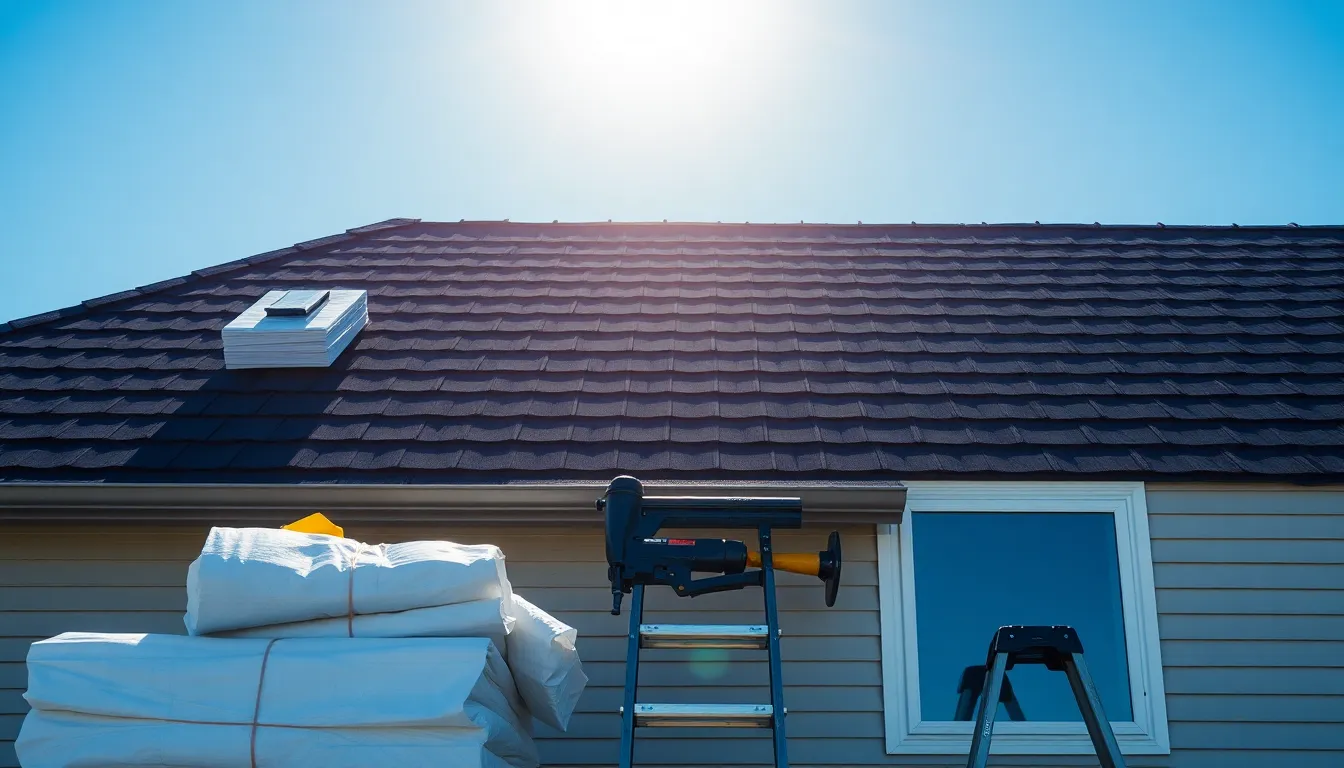
On high-elevation custom estates in Olympus Cove, Holladay, Draper's SunCrest bench, and Wasatch foothill enclaves, painted 26-gauge galvanized steel flashing is often the weakest link on an otherwise lifetime roof. Heavy sliding snowpacks scour factory paint off steel valley ribs, while masonry mortar acids around stone chimneys eat through zinc coatings within twenty years. Cold-rolled architectural sheet copper (ASTM B370) solves both problems permanently. Rather than corroding away, solid copper reacts with Utah's dry mountain atmosphere to form an impenetrable cuprous oxide mineral shield—delivering eighty to one hundred years of maintenance-free waterproofing alongside unmistakable curb appeal.
16-Oz vs. 20-Oz Cold-Rolled Copper Thickness & Snow-Load Rigidity
Architectural copper is specified by weight per square foot rather than sheet-metal gauge. Sixteen-ounce cold-rolled copper measures 0.0216 inches thick and serves as the gold standard for step flashings, dormer apron flashings, and standard-pitch open valleys on Salt Lake County custom homes. When we detail long intersecting roof valleys carrying heavy snowmelt on 6/12 to 12/12 pitches, or hand-solder curved bay-window accent roofs, we step up to 20-ounce cold-rolled copper (0.0270 inches thick). Cold-rolling tempers the copper to 'eighth-hard' stiffness, allowing crisp brake-formed center W-ribs and hemmed water-return edges that will not flatten under three feet of wet March snow.
- 16-oz cold-rolled copper (0.0216" thick): ideal for chimney step/counter flashings, skylights, and standard valleys.
- 20-oz cold-rolled copper (0.0270" thick): recommended for high-volume snow valleys, crickets, and standing-seam accents.
- Center 1-inch inverted W-rib baffle stops high-velocity meltwater from shooting up under opposing steep roof planes.
Preventing Galvanic Corrosion: Dissimilar Metal Isolation Rules
Copper sits near the noble end of the galvanic series, meaning electrical electrolyte runoff during rain or snowmelt will rapidly corrode less-noble metals like aluminum gutters, zinc-galvanized nails, or bare steel panels on contact. Every premature copper flashing failure we inspect in Utah traces back to an installer shooting standard electro-galvanized coil nails directly through a copper valley. Within five winters, the steel nail heads dissolve completely, leaving open leak holes. Proper copper craftsmanship requires fastening open valleys exclusively with folded copper cleats nailed outside the water channel using solid copper or 316 stainless steel ring-shank nails, backed by high-temperature butyl underlayment.
- Never fasten copper valleys or flashings with galvanized steel or aluminum nails; use solid copper or 316 stainless fasteners.
- Secure 24-inch wide copper W-valleys with 2-inch folded copper cleats spaced 12 inches on center along hemmed edges.
- Discharge copper valleys into copper or Kynar-coated steel gutters—never bare mill-finish or thin painted aluminum gutters.
How Copper Patinas Evolve in Utah's Semi-Arid Mountain Air
Homeowners expecting Boston or Seattle's bright chalky seafoam-green verdigris within two years are often surprised by how architectural copper ages along the Wasatch Front. Because Salt Lake County lacks coastal salt spray and high year-round humidity, bright salmon-pink mill copper oxidizes more gradually and richly. Within six to twelve months of installation, UV and snow moisture mellow the bright shine into warm russet penny-bronze. Between years three and ten, the surface deepens into a velvety, uniform statuary dark espresso brown that pairs effortlessly with charcoal architectural shingles, synthetic slate, stone veneer, and natural cedar soffits, taking twenty-five-plus years to develop subtle muted sage highlights.
- Months 1–12: Bright metallic salmon finish matures into warm russet bronze without flaking or chalking.
- Years 3–15: Develops a protective, self-healing dark statuary brown cuprous oxide mineral layer.
- Natural biocidal copper ion runoff inhibits moss, lichen, and black algae downslope of chimneys and dormers.
Soldered Masonry Chimney Crickets & Bay-Window Accent Roofs
Stone and brick chimneys wider than 30 inches situated downslope on a roof require a peaked saddle—called a cricket—under Utah IRC R1003.20 to divert snow and ice around the flue stack. Instead of relying on polyurethane caulk joints that crack after four Utah summers, master sheet-metal detailing locks flat-seam 16-oz copper chimney saddles together with 50/50 tin-lead or lead-free silver-tin solder sweating right into pre-tinned mechanical seams. Reglet counter-flashing is diamond-cut 1.5 inches deep into masonry mortar joints, wedged with lead or stainless clips, and sealed with elastomeric mortar sealant—allowing the roof deck to flex seasonally without tearing the waterproof envelope.
- Sweat-soldered flat-lock copper chimney crickets create a monolithic metal basin impervious to standing ice.
- Two-piece step and reglet-cut counter-flashing permits independent wood-frame thermal movement against rigid stone.
- Custom batten-seam or standing-seam copper bay-window roofs run $38 to $65 per square foot installed.
Roof Valley & Chimney Flashing Material Lifespan Matrix (Utah)
| Flashing Material | Thickness / Spec | Utah Installed Valley Cost | Expected Service Lifespan |
|---|---|---|---|
| 26-Ga Painted Galvanized Steel | 0.018" G90 Zinc-Coated | $11 – $17 / LF | 20 – 30 Years (Single Shingle Cycle) |
| 24-Ga Kynar 500 Architectural Steel | 0.024" PVDF Coated | $16 – $24 / LF | 35 – 45 Years (High Scratch Resistance) |
| 16-Oz Cold-Rolled Sheet Copper | 0.0216" ASTM B370 | $28 – $42 / LF | 75 – 90+ Years (Multi-Roof Lifetime) |
| 20-Oz Heavy Cold-Rolled Copper | 0.0270" ASTM B370 | $38 – $55 / LF | 90 – 110+ Years (Estate Slate/Cedar Spec) |
Grant Helmer's Utah Field Pro-Tip (DOPL #10146123-5501)
When our crews install 16-oz or 20-oz copper valleys on Holladay or Draper custom homes (DOPL #10146123-5501), we always lay a 36-inch high-temperature rated peel-and-stick membrane rated to 250°F underneath the copper first. Dark oxidized copper reaches extreme summer temperatures at 5,000 feet; standard granular ice-and-water shield can soften and bleed asphalt if not high-temp rated.
Frequently Asked Questions: Copper Roof Flashing Valleys Lifespan
Can I reuse existing copper chimney flashing when replacing asphalt shingles?
Often yes, provided the original copper was two-piece step and counter-flashing installed with copper nails and no roofing tar or misplaced shingle nails punctured the pans. Even when step pieces are replaced for fresh shingle courses, reglet-cut copper counter-flashing set into stone can frequently remain undisturbed.
Will copper roof flashing stain light-colored stucco or stone below?
If water sheets directly off copper onto porous white limestone or light stucco without a kickout diverter, subtle green-brown mineral tinting can occur over decades. Installing proper copper kickout flashings at wall terminations routes all runoff cleanly into gutters and away from vertical facades.
Is copper flashing compatible with Class 4 impact-resistant asphalt shingles?
Absolutely. Pairing a 50-year Class 4 SBS-modified architectural shingle with 16-oz open copper W-valleys and copper pipe boots ensures your flashings never rust through halfway into the shingle's lifespan—and copper ions naturally stop black algae streaks below.
Why must copper valley panels be cleated instead of face-nailed?
A 10-foot copper valley sheet expands and contracts nearly 1/8 inch between a -5°F January night and a 100°F July afternoon in Utah. Folded copper cleats hooked into the outer water-return hem allow the panel to slide freely without tearing nail holes or buckling.
Related Utah Roofing, Bathroom & Remodeling Resources
Schedule Your Salt Lake County & Wasatch Front, UT Inspection or Design Quote
Direct owner consultation with Grant Helmer (Utah DOPL #10146123-5501) — zero high-pressure sales.