
Fascias, Drip Edge, and Gutter Apron: Preventing Behind-Gutter Leaks

Water drips behind gutters because surface tension (capillary adhesion) pulls slow snowmelt backward underneath short shingle overhangs, across missing or undersized Type C drip edge, and down behind the back wall of K-style gutters—rotting wood fascia and freezing into slip-hazard ice sheets on Utah walkways. Urban Design & Remodel (Utah DOPL #10146123-5501, (801) 440-1952) installs wide 2x3-inch or 2x4-inch painted steel gutter aprons tucked under underlayment ($8–$15/linear ft retrofit) to direct 100% of runoff inside gutters.
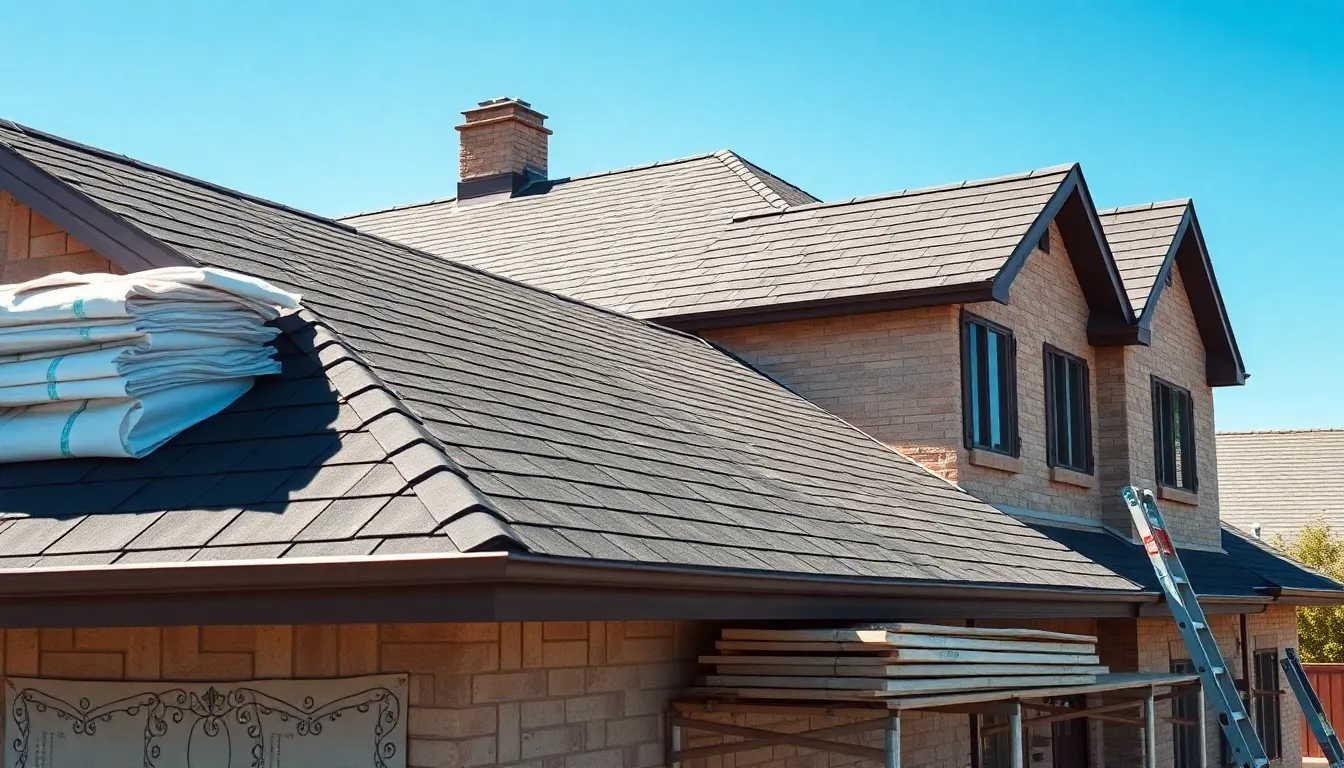
Every February and March across West Jordan, South Jordan, Murray, and Lehi, homeowners watch sunlit roof snow melt at noon—only to hear water trickling down the back side of clean, unclogged aluminum gutters and refreezing at sunset into treacherous 1-inch-thick black ice across front porch steps and driveways. Left unchecked, behind-gutter bypass peels exterior fascia paint, rots 1x6 spruce sub-fascia boards so gutter hanger screws pull out under heavy snow loads, and dumps roof runoff directly against basement foundation walls. Fixing capillary wrap-back requires proper sheet-metal eave geometry, not tubes of silicone caulk smeared along the gutter rim.
Capillary Wrap-Back Physics & Shingle Overhang Geometry
Fast summer cloudbursts shoot off roof edges with enough momentum to land mid-gutter, but Utah's slow winter freeze-thaw snowmelt creeps down shingles drop by drop. Due to molecular surface tension (the Coanda effect), slow-moving water clings tightly around the bottom edge of asphalt shingles, rolls backward onto the roof deck edge, and runs vertically down the wood fascia behind the gutter's rear flange. Two installation errors guarantee this failure: cutting starter and field shingles flush with the roof edge instead of maintaining a 0.5-inch to 0.75-inch overhang past the drip edge, or hanging gutters with excessive 1/4-inch-per-foot slope over a 40-foot run until the low-end gutter drops 4 inches below the roof deck gap.
- Asphalt starter + first-course shingles must overhang the metal drip edge by 0.5 to 0.75 inches (max 1.0" to prevent wind curl)
- Slow snowmelt wraps 180 degrees underneath short-cut shingles via capillary surface tension
- Gutters sloped too steeply (>1/2 inch per 10 ft) open a wide vertical fascia gap at the downspout end
IRC R905.2.8.5 Drip Edge Code vs. Wide Utah Gutter Apron Profiles
Utah IRC Section R905.2.8.5 mandates corrosion-resistant metal drip edge along both eaves and rakes, extending at least 0.25 inches below roof sheathing and minimum 2 inches back up the roof deck, fastened mechanically at max 12 inches on center. However, builders routinely nail standard tiny 1.5-inch Type D or L-flashing on eaves, leaving a 1-inch exposed wood fascia gap above the rear lip of K-style gutters! On eave edges carrying gutters, Urban Design & Remodel upgrades to heavy 26-gauge Kynar/SMP-painted steel 'Gutter Apron' (105°–120° bent profile with a 3-inch deck flange and a deep 2.5-to-3-inch vertical apron face) that reaches directly *inside* the back wall of the gutter pan, physically bridging the gap forever.
- IRC R905.2.8.5 requires eave drip edge installed UNDER underlayment/ice shield, while rake drip edge goes OVER underlayment
- Standard 1.25" builder D-style drip edge often falls short of the gutter's rear flange on angled or plumb fascias
- 26-gauge 2"x3" painted steel gutter apron overlaps 1+ inch inside the back gutter wall for zero-bypass capture
Underlayment Layering Order: Why Ice Shield Over Drip Edge Matters
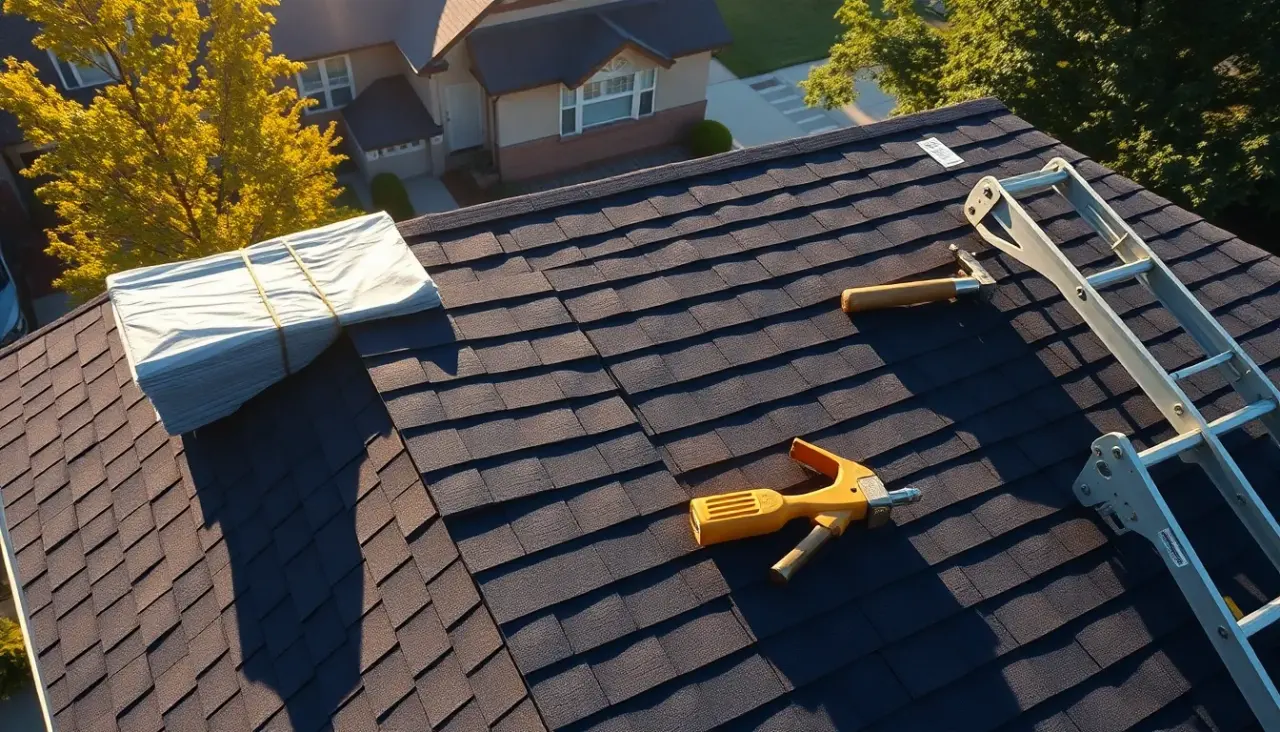
Even with wide metal gutter apron in place, reversing membrane layering causes hidden fascia rot. At the eave—unlike the gable rake—synthetic underlayment and self-adhering IRC R905.1.2 ice-and-water barrier MUST lap ON TOP of the metal gutter apron's deck flange (stopping 0.25 inches back from the front bend so sun does not melt exposed bitumen). If a roofer sticks ice-and-water shield onto bare OSB first and nails metal drip edge *on top* of the membrane, any snowmelt backing up under the first shingle course runs *underneath* the metal flange straight into the end grain of the OSB deck and down behind the fascia wrap. Proper top-lapping sheds sub-shingle condensate cleanly over the metal apron into the gutter.
- Correct eave stack from bottom up: OSB deck -> 26-ga Gutter Apron -> Ice & Water Shield -> Starter Strip -> Field Shingle
- Reverse layering channels ice-dam backup water underneath metal drip edge directly into raw OSB edges
- Leave a 1/4-inch 'kick-out' gap between metal drip edge vertical face and wood fascia so droplets break surface tension
Retrofitting Flashing Extenders Without Tearing Off Healthy Shingles
If your existing roof is only 5 to 12 years old and in great shape, you do not need a $16,000 reroof just to stop behind-gutter walkway icicles. Provided the existing eave ice shield isn't welded directly across the starter strip edge, technicians can slide 4-to-6-inch-wide pre-finished aluminum 'gutter flashing slip-strips' upward *underneath* the existing drip edge or bottom shingle course and down *over* the back lip of the K-style gutter, securing them with hidden stainless zip screws every 24 inches above the waterline. Simultaneously, rotted 1x6 spruce fascia boards are spliced out, wrapped in 0.024-inch custom-bent aluminum fascia cladding, and re-hung with heavy hidden screw hangers into solid rafter tails every 16 to 24 inches.
- Slip-under aluminum gutter apron extenders cure behind-gutter drips on sound roofs for $8.50–$14.50 per linear foot
- Rotted wood sub-fascia replacement + custom bent aluminum fascia wrap runs $16–$28 per linear foot
- Upgrade old smooth-shank gutter spikes to hidden stainless hex-head hangers spaced 16" OC for Utah snow loads
Utah Eave & Behind-Gutter Leak Causes and Permanent Fixes
| Behind-Gutter Symptom | Root Assembly Defect | Permanent Sheet-Metal Fix | Installed Salt Lake Cost |
|---|---|---|---|
| Water trickles down fascia onto porch steps | Missing drip edge or short <1.5" flange | Slip-in aluminum gutter apron extender | $8.50–$14.50 / linear ft |
| Leak only near downspout end of long run | Gutter pitched >2" below roof deck line | Re-pitch gutter (1/4" per 10') + deep 4" apron | $450–$850 per eave run |
| Gutter pulling forward off soft rotted wood | Years of capillary wetting rotted 1x6 fascia | Replace wood fascia + aluminum wrap + apron | $18.00–$30.00 / linear ft |
| Water leaking out bottom of aluminum soffit | Ice shield installed UNDER drip edge | Re-strip eave 3 ft + ice shield OVER new apron | $22.00–$36.00 / linear ft (or include in reroof) |
Grant Helmer's Utah Field Pro-Tip (DOPL #10146123-5501)
Never let a handyman run a thick bead of silicone caulk along the top back edge of your gutter against the fascia board! Caulk peels away in one Utah freeze-thaw winter and actually dams water upward into your soffit vents. Always solve behind-gutter leaks mechanically with metal flashing tucked over the rear gutter lip.
Frequently Asked Questions: Water Dripping Behind Gutters Roof Fix
Why does water drip behind my gutters even right after I cleaned them?
Clean gutters still leak from behind when shingles were cut flush with the roof edge or the metal drip edge doesn't reach inside the back lip of the gutter. Slow snowmelt clings to the underside of the shingle via surface tension and runs straight down the wood fascia gap.
What is the difference between standard drip edge and gutter apron?
Standard Type D drip edge has a small T-shaped kicking lip and a short 1-to-1.5-inch vertical face designed primarily for gable rakes. Gutter apron (Type C/L wide-face flashing) features a deep 2.5-to-3-inch vertical metal leg specifically engineered to overlap down inside the back wall of K-style gutters.
Does Utah building code require metal drip edge on reroofs?
Yes. Utah IRC Section R905.2.8.5 requires corrosion-resistant metal drip edge along all eaves and rakes on asphalt shingle installations and tear-off replacements. Municipal inspectors verify that eave drip edge sits underneath underlayment while rake drip edge laps over underlayment.
Can gutters hung too low cause ice dams or fascia rot?
Hanging gutters slightly low does not cause roof ice dams—actually, positioning the front gutter rim slightly below the projected slope line prevents sliding snow avalanches from ripping gutters off steep mountain roofs—provided a wide 3-to-4-inch metal gutter apron bridges the rear fascia space.
Related Utah Roofing, Bathroom & Remodeling Resources
Schedule Your Salt Lake County & Wasatch Front, UT Inspection or Design Quote
Direct owner consultation with Grant Helmer (Utah DOPL #10146123-5501) — zero high-pressure sales.