
Gable-End Bracing & Hurricane Ties: Utah High-Wind Retrofits During Reroofing

Yes—replacing your roof is the single most cost-effective time to retrofit Simpson Strong-Tie H2.5A hurricane ties and gable-end lateral bracing on older Utah homes. Temporarily lifting the bottom row of eave OSB sheathing gives direct exterior access to truss-to-top-plate connections without tearing open interior drywall, typically adding $1,200 to $2,800 during reroofing. Call Urban Design & Remodel at (801) 440-1952 (Utah DOPL #10146123-5501).
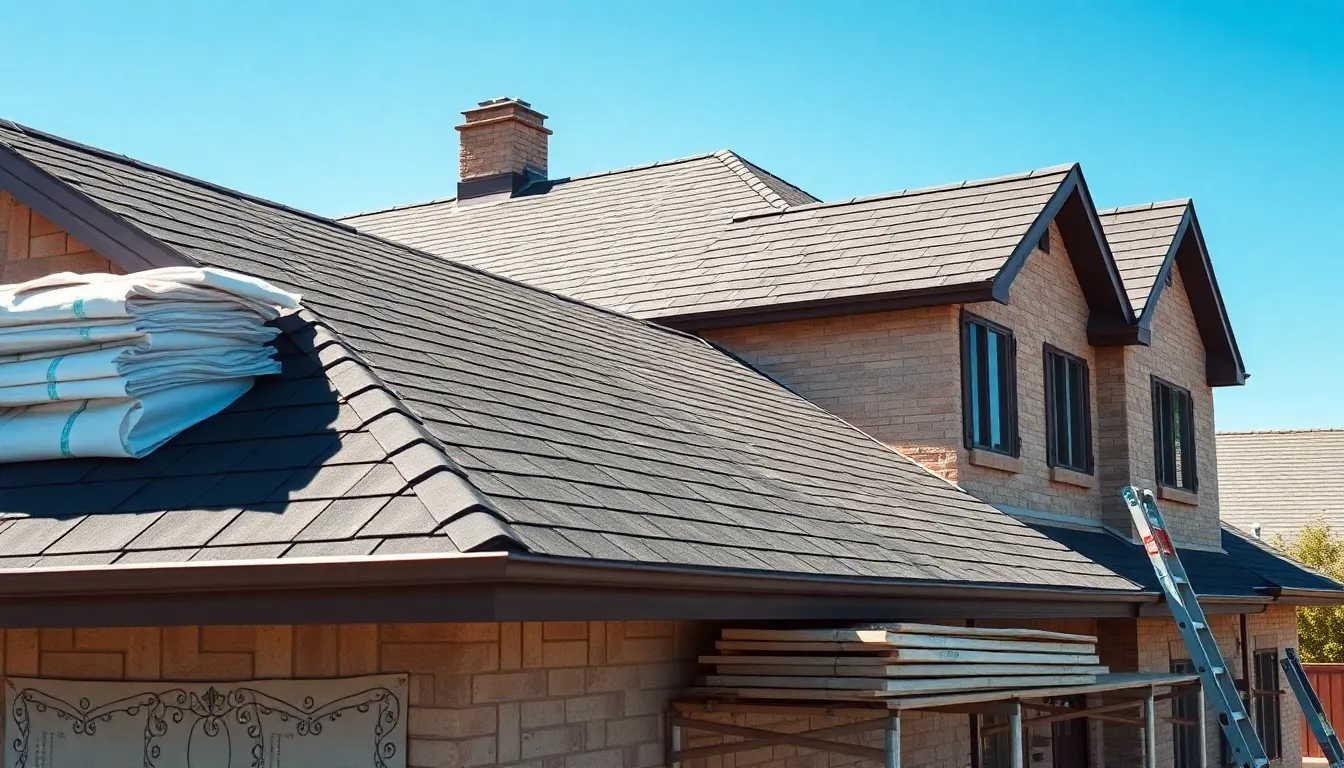
Anyone living along the Wasatch Front during September 2020's historic hurricane-force downslope windstorm—when gusts reached 99 to 112 mph from Bountiful through Salt Lake's East Bench, Olympus Cove, Holladay, and Sandy—saw firsthand how violent canyon winds attack residential framing. Homes framed prior to modern high-wind code amendments frequently rely on just two smooth-shank 16d toe-nails holding each roof truss onto the exterior wall top plate, alongside tall unbraced gable end walls that flex inward like sails. Opening the roof deck during a scheduled tear-off unlocks a once-in-thirty-years structural window to install steel uplift ties and diaphragm nailing without disturbing finished interior ceilings.
Why Toe-Nailed Pre-2000 Utah Trusses Lift Under Canyon Downslope Gusts
When 80-to-105-mph easterly canyon winds roar out of Parleys, Millcreek, Big Cottonwood, or Little Cottonwood Canyons and sweep across your roof ridge, aerodynamic Bernoulli suction creates powerful negative uplift pressure right along windward eaves and gable corners. Traditional 1970s–1990s framing crews secured rafters and trusses to double top plates using three smooth 16d toe-nails—providing barely 135 to 180 pounds of uplift resistance per truss once dry Utah lumber shrinks around the nail shanks. Retrofitting an 18-gauge galvanized Simpson Strong-Tie H2.5A or H1 hurricane tie fastened with manufacturer-specified 0.131" x 1.5" structural connector nails boosts uplift capacity past 520 to 600 pounds per truss connection.
- Three smooth 16d toe-nails hold ~150 lbs of uplift vs. 525–600+ lbs with a properly nailed Simpson H2.5A hurricane tie.
- Pulling the bottom 24-inch strip of eave OSB decking exposes every truss heel and wall top plate from outside.
- Never use brittle black drywall screws on structural metal ties; use genuine load-rated Simpson Strong-Drive nails or screws.
Retrofitting Tall Unbraced Gable End Walls & Rake Ladder Overhangs
Vaulted living rooms and tall attic gables present a flat vertical target to canyon crosswinds. On older Salt Lake County split-levels and two-stories, the gable-end truss often lacks horizontal web stiffeners, leaving vertical 2x4 studs spanning 8 to 12 feet unsupported against inward wind pressure. If that gable wall bows 1.5 inches inward during a microburst, interior drywall cracks and rake overhangs peel upward like a sardine can. From inside the attic (or while gable rake sheathing is open), our carpenters install continuous 2x4 horizontal L-braces across vertical gable studs plus diagonal X-bracing tied solidly back into the third interior roof truss via solid blocking across the top chords.
- Brace vertical gable-end studs taller than 6 feet using continuous nailed 2x4 T-braces or strongbacks.
- Tie gable-end wall peaks back across 3 to 4 interior trusses with diagonal lateral bracing to stop wall hinge collapse.
- Upgrade cantilevered gable rake 'lookout' ladders >12 inches wide where older builders merely end-nailed faux fly-rafters.
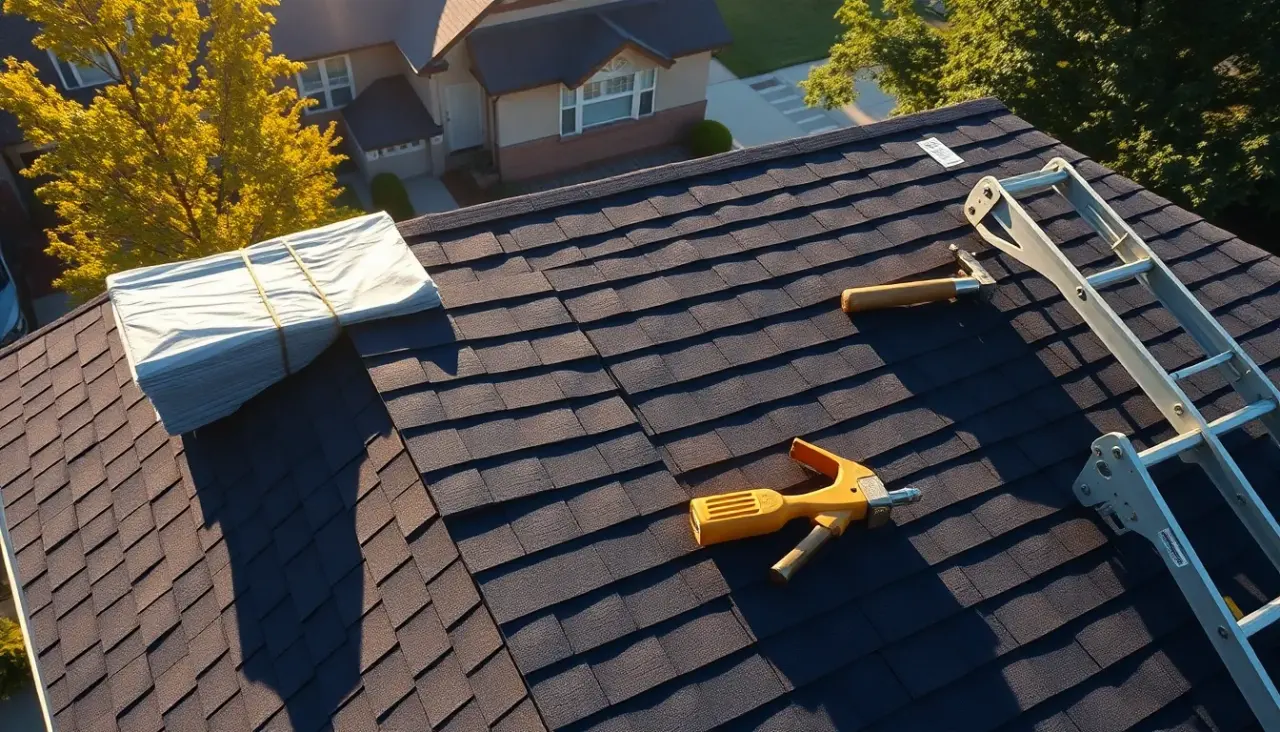
High-Wind Structural Roof Diaphragm Re-Nailing (8d Ring-Shank Spec)
Your roof's 4x8 OSB or plywood sheets do far more than hold up asphalt shingles—they form the horizontal structural diaphragm that keeps exterior walls square during both Wasatch windstorms and Utah seismic events. Twenty-five-year-old roof decks were commonly shot down with narrow-crown staples or smooth 6d nails spaced 12 inches apart, many of which missed truss chords entirely! Once old shingles are stripped to bare wood, we perform a full high-wind diaphragm re-nailing pass using 8d (2.375" x 0.113") deformed ring-shank nails spaced 4 to 6 inches on center along all panel edges and gable-end perimeters, increasing panel pull-off resistance by over 200%.
- Ring-shank annular threads lock into dry kiln-dried truss chords and resist pull-out 2.5x better than smooth nails.
- Tighten nail spacing to 4 inches on center within high-suction perimeter zones (outer 4 feet of rakes and eaves).
- Simultaneously upgrades lateral seismic shear capacity along the Wasatch Fault corridor at minimal added cost.
6-Nail High-Wind Shingle Fastening & Sealed Deck Backup Protection
Framing retrofits work hand-in-hand with Class H (130–150 mph) shingle fastening. Standard four-nail shingle installation fails rapidly in east-bench canyon zones because high-velocity gusts rip tabs right off the fasteners. On every high-wind Salt Lake County reroof, our installers shoot six corrosion-resistant 12-gauge galvanized roofing nails per shingle strictly through the reinforced double-layer nailing zone (such as Owens Corning SureNail or Malarkey Zone), never high-nailing above the sealant line. Combined with continuous peel-and-stick starter strips along all eaves and rakes plus taped OSB deck seams ('sealed roof deck'), your attic stays bone-dry even if extreme debris damages outer shingles.
- 6-nail high-wind shingle pattern upgrades manufacturer wind warranty eligibility from 110 mph up to 130–150 mph.
- Taping OSB sheathing seams with 4-inch acrylic/butyl deck tape creates a FORTIFIED-style secondary water barrier.
- Hand-sealing gable-end shingle tabs with ASTM D4586 asphalt roof cement is mandatory during cold November installs.
Utah High-Wind Roof Retrofit Upgrade Matrix (During Reroofing)
| Structural Wind Upgrade | Added Cost (28-Sq Home) | Wind / Seismic Gain | Best Candidate Utah Homes |
|---|---|---|---|
| 8d Ring-Shank Deck Re-Nailing | Included / $350 – $600 | 2.5x OSB Panel Uplift Hold | All pre-2005 stapled or smooth-nailed decks |
| 4" Seam-Taped 'Sealed Roof Deck' | $650 – $1,100 | Blocks 95% of blow-off water entry | Sandy, Holladay, Bountiful & SunCrest benches |
| Simpson H2.5A Eave Hurricane Ties | $1,100 – $2,200 | 525+ lbs uplift per truss heel | 1960s–1995 toe-nailed rafters & trusses |
| Attic Gable-End Wall Lateral Bracing | $750 – $1,650 | Stops inward wall flex & rake peel | Tall 2-story & vaulted gable-end homes |
Grant Helmer's Utah Field Pro-Tip (DOPL #10146123-5501)
When our carpenters open eave sheathing on 1980s Sandy or Olympus Cove homes (DOPL #10146123-5501), we regularly find half the original framing staples missed the 1.5-inch truss chord completely! Spending $1,500 on ring-shank re-nailing and Simpson H2.5A ties while the deck is already bare prevents catastrophic wind blow-offs and stiffens your house for Wasatch seismic activity too.
Frequently Asked Questions: Roof Truss Hurricane Clips Wind Retrofit Utah
Which Salt Lake & Davis County areas experience the highest canyon wind loads?
Municipalities hugging canyon mouths and foothill benches—including Bountiful, Centerville, Salt Lake's Avenues and East Bench, Olympus Cove, Millcreek, Holladay, Cottonwood Heights, East Sandy, and Draper's SunCrest—enforce special high-wind design speeds (up to 115–140 mph ultimate Vult) due to easterly downslope windstorms.
Can hurricane ties be installed from inside the attic without removing roof sheathing?
Near the center of tall trusses, attic access is easy, but right out at the low eave heel—where roof slopes pinch down to 4 inches of clearance packed with blown insulation—it is nearly impossible from inside. Lifting the bottom 2-foot strip of exterior OSB during reroofing makes installation fast and clean.
What is 'high-nailing' and why does it ruin wind resistance on a new roof?
High-nailing occurs when rushed installers shoot nails 1 inch too high above the shingle's reinforced double-fabric nail line, catching only single-layer fiberglass mat instead of both laminated layers. It cuts wind pull-through strength by over 40% and instantly voids 130-mph manufacturer wind warranties.
Does wind-retrofitting roof sheathing also help with Utah earthquake safety?
Yes! Re-nailing loose OSB roof sheathing with 8d ring-shank nails at tight 6-inch edge spacing and tying trusses positively to wall top plates upgrades the horizontal roof diaphragm that transfers lateral earthquake forces safely into exterior shear walls.
Related Utah Roofing, Bathroom & Remodeling Resources
Schedule Your Salt Lake County & Wasatch Front, UT Inspection or Design Quote
Direct owner consultation with Grant Helmer (Utah DOPL #10146123-5501) — zero high-pressure sales.