
How to Prevent Roof Ice Dams on Wasatch Front Homes: Building-Science Guide

Permanently stopping roof ice dams in Utah requires keeping the roof deck cold (below 32°F) so upper-slope snow stops melting from indoor heat loss. Urban Design & Remodel (Utah DOPL #10146123-5501, (801) 440-1952) eliminates ice dams using a 4-part system: polyurethane air-sealing of ceiling attic bypasses, upgrading blown-in attic insulation to R-49/R-60, installing continuous soffit-to-ridge chute baffles, and pairing 6-foot ice-and-water eave shields with commercial self-regulating heat cable on shaded valleys.

Every January across Millcreek, Cottonwood Heights, Bountiful, Ogden East Bench, and Park City, homeowners watch 3-foot icicles hang from frozen gutters while stained drywall bubbles above bedroom windows. Many assume their roof shingles are defective—yet even a brand-new roof will grow massive ice dams if the attic underneath acts like a toaster. Ice-and-water shield membrane keeps trapped meltwater from leaking indoors, which is vital, but preventing the ice ridge from forming in the first place is pure building thermodynamics. When upper roof sheathing warms above 32°F while unheated soffit overhangs stay at 18°F, liquid water freezes solid at the eave.
Step 1: Sealing Hidden Ceiling Thermal Bypasses Before Adding Insulation
Blowing extra fiberglass over leaky ceiling drywall without air-sealing first is like wearing a thick wool sweater in a windstorm without a windbreaker—warm 70°F indoor air filters straight through fiberglass fibers like a furnace filter and heats the underside of your OSB roof deck. In 90% of Wasatch Front ice-dam forensics we perform, the worst culprits are unsealed recessed IC/non-IC can lights, open drywall gaps around plumbing vent stacks and furnace flue chases (which require fire-rated sheet metal and high-temp sealant per IRC R302.11, never flammable foam!), interior wall top plates, and unweatherstripped attic scuttle hatches.
- Seal top-plate wire penetrations and bath fan housings with Class A fire-rated closed-cell foam
- Replace leaky 1990s incandescent recessed cans with airtight ICAT wafer LEDs + foam-sealed boxes
- Weatherstrip and glue R-30 rigid polyisocyanurate foam dams onto the back of attic access hatches
Step 2: Upgrading Utah Attic Insulation to IECC R-49 / R-60 Depth
Homes built along the Wasatch Front between 1965 and 2005 typically left the builder with 6 to 9 inches of settled pink fiberglass or gray cellulose—delivering barely R-19 to R-26 once compressed around electrical junction boxes and truss webs. Current Utah energy code mandates R-49 across Climate Zone 5B (Salt Lake, Davis, Weber, Utah Counties) and R-60 in Summit County's Climate Zone 6B. Blowing virgin formaldehyde-free fiberglass or borate-treated dense cellulose to a uniform 16.5 to 20 inches buries ceiling joists completely, stopping conductive heat transfer so winter snow sits evenly across your roof until spring sunshine melts it naturally.
- Install cardboard insulation rulers every 300 sq ft to verify true R-49 (16.5"–18") settled depth
- Build rigid dams around furnace platforms and whole-house fans so insulation stays uniform
- Qualifies many Dominion Energy / Enbridge Gas & Rocky Mountain Power customers for Utah utility rebates
Step 3: Unobstructed Soffit-to-Ridge Cold Air Washing Channels
Even an R-60 insulated ceiling leaks a trickle of British Thermal Units upward—and solar radiation warms dark shingles even on 22°F days. Continuous cold outdoor air must enter perforated aluminum soffit vents at the eaves, wash uninterrupted along the underside of the OSB sheathing, and exit cleanly through an external-baffle ridge vent. On older Utah ramblers, painters caulk wood soffit vents shut or insulation crews stuff batts tight into the eave heel, choking intake dead. We staple rigid PVC/polystyrene rafter baffles into every single truss bay prior to blowing insulation, maintaining a 2-inch clear airway.
- Balances 50% low soffit intake NFA with 50% high ridge exhaust NFA per IRC R806.2
- Flushes winter moisture out of the attic before frost accumulates on north-facing nails
- For unvented cathedral ceilings, over-framing a 2x4 vented 'cold roof' during reroofing solves heat trap
Step 4: Commercial Self-Regulating Heat Cable vs Hardware-Store Wire
Certain architectural geometries—such as two-story north-facing valleys dumping snow onto a shaded lower porch roof, or 7,000-foot Park City dormers—experience sun-driven snowmelt above and deep shade below regardless of attic perfection. Never zigzag thin 5-watt constant-wattage hardware-store wires held by shingle-tearing metal clips; they overheat where dry, burn out in two winters, and void shingle warranties. When active melt channels are warranted, we install UL-listed commercial self-regulating conductive-core heat trace cable (such as Raychem or Chromalox, 6–8 W/ft at 32°F) wired to dedicated 30mA GFEP equipment-protection breakers.
- Self-regulating conductive polymer core automatically throttles wattage up in ice and down when dry
- Paired with 6-to-9-foot high-temperature self-adhering ice-and-water shield during reroofing
- Engineered and installed by Urban Design & Remodel (Utah DOPL #10146123-5501)
Utah Roof Ice-Dam Remediation Solutions: Effectiveness & 2026 Costs
| Ice-Dam Intervention | What Problem It Solves | Prevents Ice or Stops Leak? | 2026 Wasatch Front Cost |
|---|---|---|---|
| Attic Air-Sealing + R-60 Blow-In | Stops indoor heat escaping into attic | Prevents Ice Dam Formation | $2,400 – $4,800 (1,500 sf attic) |
| Soffit Vents + Baffles + Ridge Vent | Washes cold outside air under OSB deck | Prevents Ice Dam Formation | $1,200 – $2,600 (Best w/ reroof) |
| 6-Ft High-Temp Ice & Water Shield | Waterproofs wood deck under backed-up water | Stops Interior Ceiling Leak | Included in UDR Reroof ($900–$1,800) |
| Commercial Self-Regulating Heat Trace | Keeps drain paths open in shaded valleys/gutters | Drains Meltwater Safely | $18 – $28 / linear ft + GFEP circuit |
Grant Helmer's Utah Field Pro-Tip (DOPL #10146123-5501)
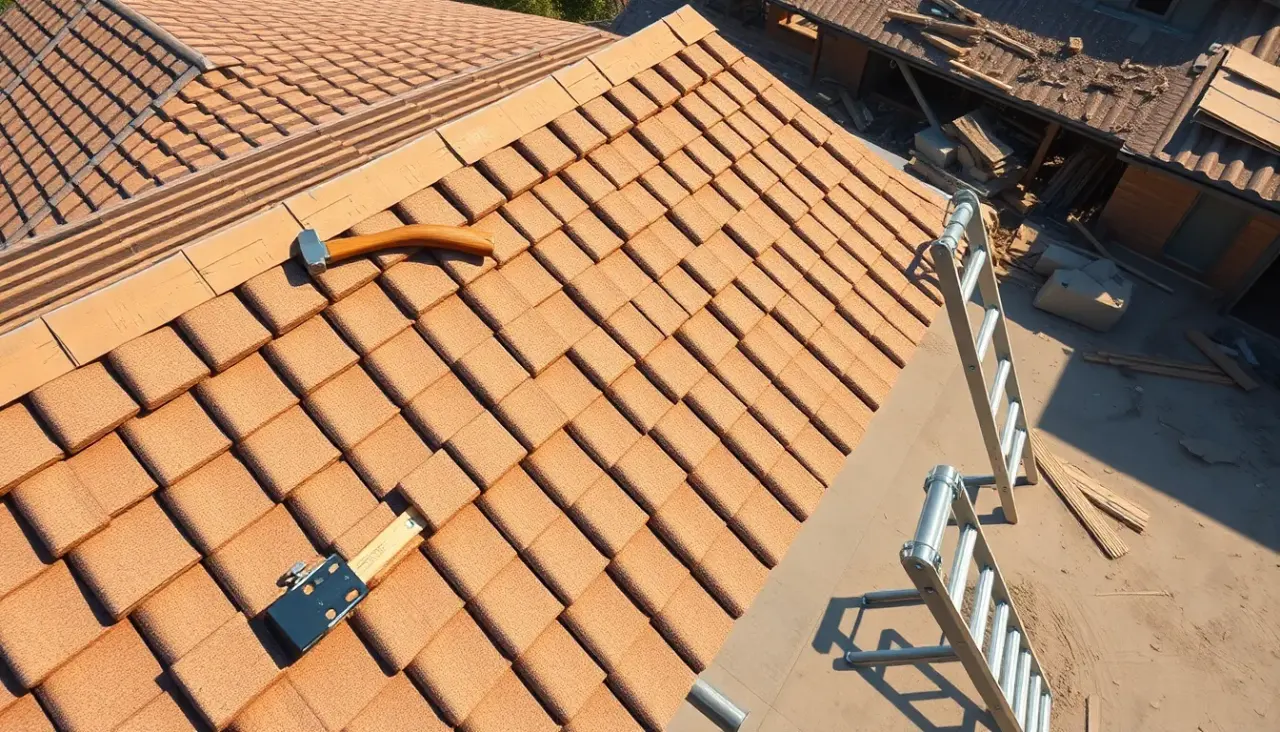
Never let anyone chip ice dams off your Utah roof with a claw hammer, axe, or rock salt! Rock salt corrodes steel nails, gutters, and concrete driveways while killing foundation shrubs, and chopping ice slices straight through frozen brittle shingles. In an active emergency leak, hire low-pressure 290°F dry-steam ice-dam removal—then fix your attic bypasses in spring.
Frequently Asked Questions: Ice Dam Prevention Utah Roofs
Does installing ice and water shield stop icicles and ice dams from forming?
No—that is the #1 roofing misconception in Utah. Self-adhering ice-and-water shield sits UNDER your shingles to stop backed-up liquid water from leaking into your drywall, which is critical. Stopping the ice ridge from forming on top of the shingles requires attic air-sealing, R-49/R-60 insulation, and soffit-to-ridge ventilation.
Do rain gutters cause ice dams on Salt Lake County homes?
Clean gutters do not create ice dams—heat escaping through your attic melts snow that would freeze at the cold eave overhang with or without gutters. However, gutters packed with soggy autumn oak and maple leaves freeze into solid blocks immediately, worsening water backup onto fascia boards.
Why should heat tape be on a GFEP breaker instead of a regular bathroom GFCI?
National Electrical Code (NEC 426.28) mandates Ground-Fault Equipment Protection (30mA trip threshold) on roof de-icing cables to prevent roof fires from damaged jackets without causing nuisance trips in wet snow that standard 5mA people-protection GFCI outlets often experience.
Can Urban Design & Remodel upgrade attic insulation and ventilation while replacing our roof?
Yes—in fact, tearing off the roof deck gives us unmatched access from above to open blocked soffit bays, insert rigid baffles into hard-to-reach low-pitch eaves, cut a clean ridge vent slot, and coordinate R-60 attic air-sealing and insulation.
Related Utah Roofing, Bathroom & Remodeling Resources
Schedule Your Salt Lake County & Wasatch Front, UT Inspection or Design Quote
Direct owner consultation with Grant Helmer (Utah DOPL #10146123-5501) — zero high-pressure sales.