
Radon Mitigation Pipe Roof Penetration Sealing in Utah Homes

Active 3-inch or 4-inch Schedule 40 PVC radon exhaust stacks passing through a Utah roof must terminate at least 12 inches above the roof surface, 10 feet away from or 2 feet above operable windows/dormers per ANSI/AARST SGM-SF-2023, and NEVER carry a rain cap that traps freezing condensation. Flash the penetration using a lifetime silicone or lead-base bullet boot over ice-and-water shield. Urban Design & Remodel (Utah DOPL #10146123-5501, (801) 440-1952) seals radon roof stacks leak-free.

Roughly 1 in 3 Utah homes tests at or above the EPA's 4.0 pCi/L action threshold for radioactive radon gas rising out of uranium-rich Wasatch granite soils across Draper, Sandy, Cottonwood Heights, Daybreak, and Lehi. While ugly exterior wall-mounted pipes hurt curb appeal, routing an active sub-slab depressurization (ASD) Schedule 40 PVC pipe internally through a garage or closet chase and straight out the roof preserves architecture—provided the roof penetration and attic condensation physics are engineered correctly. Improperly flashed radon stacks rot attic OSB from exterior leaks, freeze solid with hoarfrost in January, or hum loudly against roof trusses.
ANSI/AARST & Utah IRC Appendix AF Rooftop Clearance Geometry
Because an attic-mounted inline radon fan continuously exhausts soil gas containing 4 to 50+ pCi/L of radon-222, rooftop termination placement is governed by safety dilution rules under Utah IRC Appendix AF and ANSI/AARST SGM-SF standards. The open PVC discharge point must extend at least 12 inches vertically above the roof shingles (18 to 24 inches in heavy bench snow zones), sit at least 10 feet horizontally from any operable skylight, dormer window, or evaporative cooler intake—unless it terminates at least 2 feet vertically *above* that opening—and stay clear of adjacent higher two-story roof overhangs where rising exhaust could eddy into soffit vents.
- Minimum 12-inch vertical height above roof surface (18"–24" recommended for East Bench snow drift zones)
- Must sit ≥10 ft horizontally or ≥2 ft vertically above any operable window, skylight, or HVAC intake
- Inline radon fan must always reside in an unconditioned attic or garage—never inside conditioned living space
Why Rain Caps Freeze Radon Stacks Solid in Salt Lake Winters
Well-meaning roofers frequently glue a mushroom rain cap or screened vent hood onto the top of an open 3-inch or 4-inch PVC radon pipe during reroofing, assuming rainwater will flood the basement. That mistake shuts down radon protection every January. Sub-slab soil air stays 52°F to 58°F at nearly 100% relative humidity year-round, pumping 2 to 5 gallons of water vapor upward daily. When warm, saturated exhaust hits a cold metal or plastic rain cap at 15°F in West Jordan or Park City, rime ice grows rapidly until the cap freezes completely shut—burning out the $350 inline fan motor and spiking indoor radon levels. Open vertical pipes let continuous upward velocity eject rain while draining condensate safely back under the slab.
- Sub-slab air exhausts at ~55°F and 95%–100% RH, forming instant hoarfrost on any cap or fine mesh in winter
- ANSI/AARST standards prohibit restrictive rain caps; if rodent guards are desired, only wide ≥0.5-inch open wire is permissible
- Pitch horizontal attic PVC runs minimum 1/8 inch per foot back toward the sub-slab suction pit so condensate drains cleanly
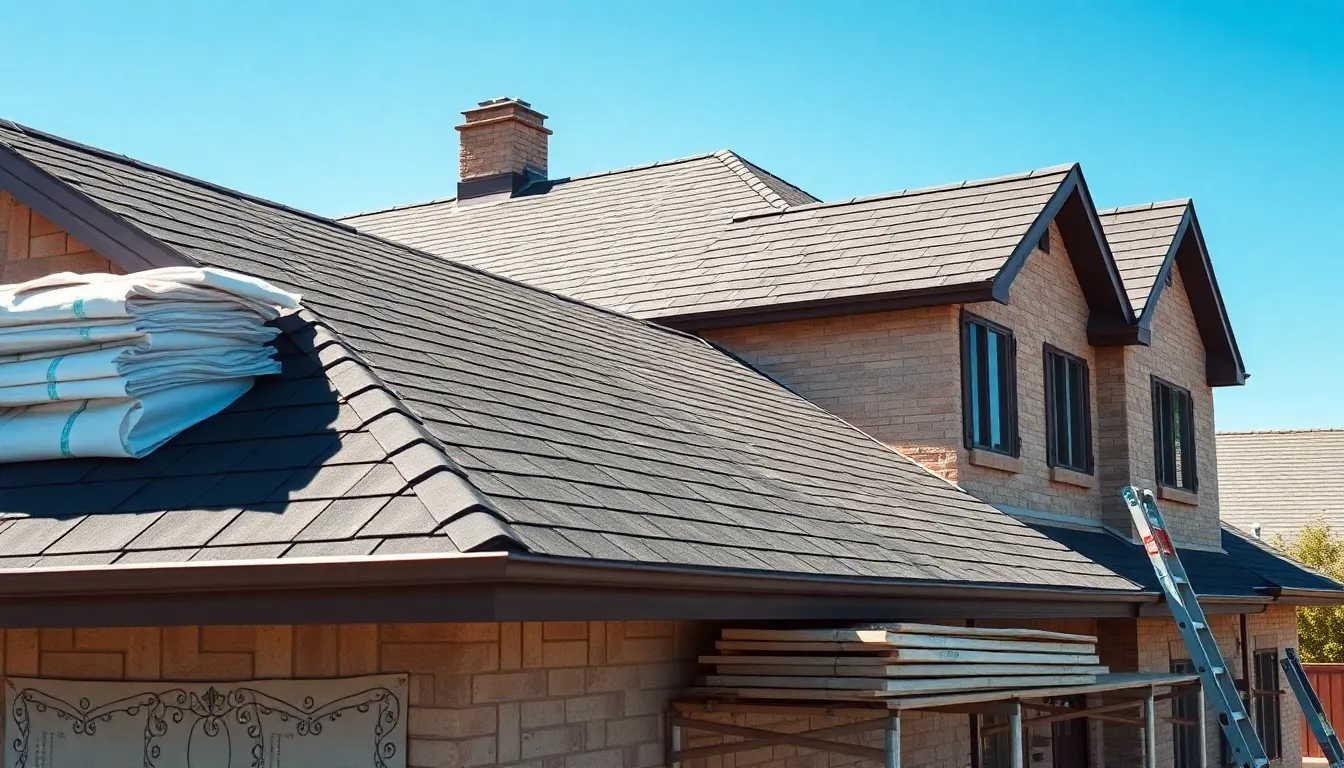
Bullet Boots vs. Cheap Neoprene Flashing Collars at High Altitude
Standard $14 black EPDM/neoprene plumbing boots crack around 3-inch and 4-inch PVC pipes within 7 to 10 summers in Utah's intense UV and ozone exposure—long before 30-year shingles wear out. Furthermore, unpainted white Schedule 40 PVC turns chalky brown and brittle under mountain sun. Whenever Urban Design & Remodel flashes a new or existing radon stack, we wrap the OSB deck opening with high-temp ice-and-water membrane, install a Lifetime Tool Ultimate Pipe Flashing (heavy Kynar-coated aluminum base with compression-molded pure silicone collar) or solid 2.5-lb lead flashing sleeve, and coat exposed rooftop PVC with exterior acrylic latex paint matching your charcoal or weathered-wood shingles.
- Standard neoprene rubber pipe collars crack and leak at 7–11 years under 4,500-ft Utah UV radiation
- Compression silicone or solid lead/Kynar pipe flashings ($85–$145 installed) match a 35-to-50-year shingle lifespan
- Painting exposed rooftop PVC with dark exterior latex blocks UV embrittlement and accelerates solar ice-melt
Stopping Attic Sweating & Fan Vibration Noise at the Roof Deck
Two non-roofing complaints frequently get misdiagnosed as roof leaks around radon pipes: exterior pipe sweating and structural hum. In January, moist 55°F soil air rising inside thin PVC running through a 15°F vented attic cools rapidly, condensing liquid water inside the pipe while cold attic air can frost the outside if uninsulated. Wrapping the attic PVC stack and inline fan housing (leaving motor cooling clearances per manufacturer spec) with R-6 closed-cell elastomeric or fiberglass pipe insulation keeps exhaust warm above dew point until ejection. Simultaneously, coupling the fan with flexible Fernco rubber boots and hanging straps via neoprene isolation grommets keeps 3,000-RPM fan hum from resonating across bedroom ceiling trusses.
- Insulating attic PVC runs to R-6+ cuts internal ice buildup by 70% during sub-freezing Wasatch inversions
- Flexible rubber Fernco couplings above and below the attic radon fan prevent rigid pipe stress on roof boots
- Never nail rigid metal plumber's tape directly from a vibrating radon fan onto roof rafters over bedrooms
Utah Rooftop Radon Exhaust Penetration Specification Matrix
| System Component | Utah / AARST Best Practice | Common Failure Mode | Installed Upgrade / Fix Cost |
|---|---|---|---|
| Roof Pipe Boot Flashing | Pure Silicone / Kynar or Lead Boot | Cracked $14 EPDM rubber collar at Yr 8 | $145–$295 standalone ($85 during reroof) |
| Pipe Top Termination | Open vertical cut, painted dark matte | Added rain cap freezes solid with ice | $95–$175 cap removal + UV coating |
| Attic Stack Insulation | R-6 pipe wrap + 1/8"/ft back-slope | Gurgling water traps & frozen stack | $220–$450 attic re-pitch & insulation |
| New Interior Attic/Roof Route | 3" or 4" Sch 40 PVC + inline attic fan | Ugly exterior downspout-style wall pipe | $1,450–$2,400 full sub-slab to roof install |
Grant Helmer's Utah Field Pro-Tip (DOPL #10146123-5501)
When we reroof homes in Sandy, Draper, or South Jordan that already have an active radon pipe, we check the U-tube manometer gauge in the basement before and after our crew finishes. If the liquid columns suddenly read level or maxed out in winter, check the roof—someone likely slipped a rain cap onto the PVC stack that froze shut overnight.
Frequently Asked Questions: Radon Vent Pipe Through Roof Flashing
Won't rain and snow go down an uncapped radon pipe on my roof?
A 3-inch or 4-inch open pipe collects less than a couple of cups of water during a heavy Utah rainstorm, and upward air velocity from a running radon fan blows light mist away. Any water that enters drains harmlessly down the sloped PVC pipe right back into the gravel beneath your basement slab.
Can a radon vent pipe tie into an existing bathroom plumbing vent stack?
Never. Plumbing DWV stacks connect via water traps to indoor sinks, tubs, and toilets; pressurizing a plumbing vent with an active radon fan could blow radioactive soil gas and sewer odors straight into bathrooms if a P-trap dries out. Radon exhaust requires an independent sealed Schedule 40 PVC stack.
Why is my rooftop PVC radon pipe turning brown and flaky?
Raw white Schedule 40 PVC lacks UV stabilizers. At Utah's high elevation, intense solar radiation degrades the outer polymer skin—called sunburn chalking—making the pipe brittle against hailstones. Lightly sanding and brushing two coats of dark exterior acrylic latex paint permanently blocks UV rays and blends with your shingles.
Should I install a passive radon pipe through the roof during a major remodel?
Yes. Running a 3-inch or 4-inch passive Schedule 40 PVC stack from sub-slab gravel up through an interior chase and flashing it cleanly during a remodel or reroof costs $650 to $1,100, and lets you snap in an attic fan in one hour if post-remodel radon tests exceed 4.0 pCi/L.
Related Utah Roofing, Bathroom & Remodeling Resources
Schedule Your Salt Lake County & Wasatch Front, UT Inspection or Design Quote
Direct owner consultation with Grant Helmer (Utah DOPL #10146123-5501) — zero high-pressure sales.