
Utah Ice Dam Prevention, Eave Waterproofing & Attic Air-Sealing

Permanently eliminating Utah ice dams requires addressing heat loss, ventilation, and sub-shingle waterproofing together. Urban Design & Remodel (Utah DOPL #10146123-5501, (801) 440-1952) installs 6- to 9-foot courses of high-temperature ASTM D1970 self-sealing ice-and-water membrane along eaves and valleys, air-seals attic bypasses, balances soffit-to-ridge airflow, and wires commercial UL-listed self-regulating heat trace cables ($1,850–$6,400).
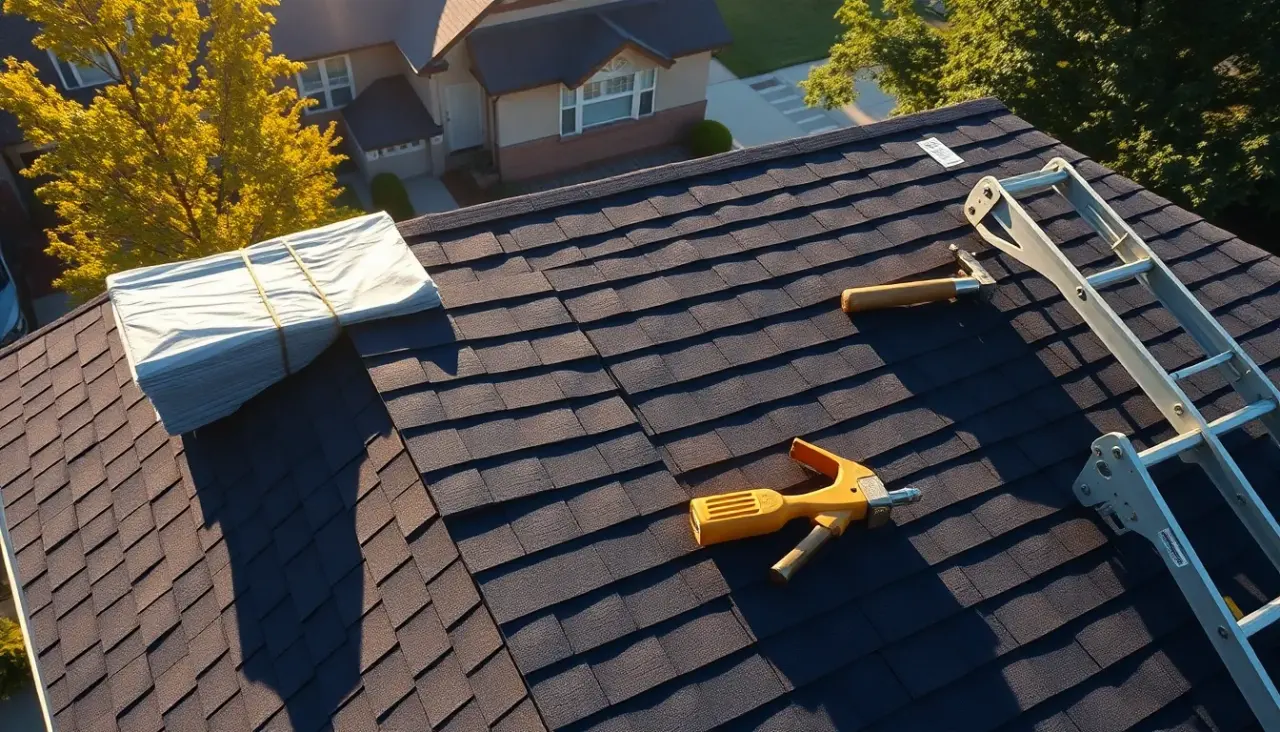
Every January and February along the Wasatch Front—especially on north-facing valleys, multi-level dormers, and East Bench homes in Sandy, Cottonwood Heights, Holladay, Draper, and Park City—four-inch icicles turn into destructive 400-pound ice ridges along roof eaves. Standard shingles are water-shedding, not waterproof: when escaping attic heat melts upper-roof snow, liquid meltwater runs down under the snowpack, refreezes over cold unheated overhangs, and pools backward underneath shingle courses right into exterior walls and soffits. Urban Design & Remodel solves chronic Utah ice damming permanently through building-science envelope engineering rather than temporary salt socks.
Extended High-Temperature Self-Sealing Ice & Water Membrane Systems
Utah IRC R905.1.2 mandates an ice barrier extending from the lowest roof edge to a point at least 24 inches inside the exterior wall line of the heated building. On a Salt Lake home with 24-inch eaves and a 6/12 roof pitch, a single 36-inch roll falls nearly two feet short of code! When waterproofing chronic ice-dam zones or full reroofs, we strip lower slopes and valleys down to bare wood sheathing and apply two to three full courses (6 to 9 feet) of high-temperature SBS or butyl-backed self-adhering membrane rated to 250°F—sealing tightly around every roofing nail shank so ponded water cannot wick into OSB joints.
- 6-ft to 9-ft eave membrane coverage extending 36+ inches past the warm exterior top plate
- Full 36-inch membrane underlayment beneath 26-gauge open W-metal valleys
- High-temp 250°F butyl/SBS membranes safe under dark architectural shingles and metal panels
Attic Bypass Air-Sealing & R-49 / R-60 Thermal Boundary Upgrades
Nine out of ten severe Salt Lake Valley ice dams are fueled not just by thin insulation, but by convective warm-air bypasses leaking 70°F indoor air straight into the attic. Can lights, unsealed drywall top plates, open plumbing chases, attic hatches, and ductwork boots act like chimneys melting snow from the underside of the roof deck even when outdoor air sits at 18°F. As a full General Contractor, our team enters the attic to foam-seal top plates and electrical penetrations, install ICAT-rated airtight LED recessed trims, build insulated soffit baffles that keep wind-washing clear, and blow fiberglass or cellulose up to Utah IECC R-49 to R-60 depth.
- Closed-cell polyurethane air-sealing at plumbing stacks, soffit drops, and partition top plates
- Rigid polystyrene rafter baffles maintaining clear 2-inch intake airflow channels above soffits
- Blown-in R-49 to R-60 attic insulation eliminating hot spots on upper roof decks
Cold-Roof Soffit-to-Ridge Ventilation Balancing
A properly engineered Utah winter roof functions as a 'cold roof'—flushing crisp outside air continuously beneath the OSB sheathing from low eave soffits out through the peak ridge vent so the entire deck stays below 32°F until spring sun melts snow evenly from top to bottom. Many 1970s–1990s homes along the Wasatch Front have solid painted plywood soffits painted shut or mixed gable-and-box exhaust vents that short-circuit airflow across only the top three feet of the attic. We calculate exact Net Free Ventilating Area (NFVA), core continuous vented aluminum soffit intakes, close competing gable vents, and cut continuous snow-baffled ridge exhausts.
- Balanced 50% low soffit intake / 50% high ridge exhaust per IRC Section R806.2
- Cathedral and vaulted ceiling ventilation retrofits or dense-pack unvented roof conversions
- Elimination of mixed exhaust fans and static vents that pull conditioned indoor air upward
Commercial Self-Regulating Heat Trace Cable & Metal Valley Channels
Certain architectural geometries—dead valleys trapped between two perpendicular gables, north-facing shaded lower porch roofs catching upper-roof discharge, and flat-to-pitched transitions—accumulate drifted snow regardless of attic insulation. Unlike cheap hardware-store constant-wattage zig-zag wires that burn out in two winters and scorch shingle granules, we install commercial-grade 240V or 120V UL-listed self-regulating heat trace cable (8–12 watts/ft at 32°F) on dedicated GFCI/EPD-protected circuits per NEC Article 426. Conductive polymer cores automatically ramp heat output up in wet ice and throttle power down when dry, maintaining clean meltwater drainage paths through gutters and downspouts.
- Commercial braided self-regulating heat cable with non-penetrating roof clips
- Dedicated NEC 426 equipment ground-fault protected (30mA GFEP) circuit & moisture sensor
- Heated valley and downspout routing so meltwater never refreezes into solid gutter plugs
Utah Ice Dam Remediation Solutions & Investment Comparison
| Ice Dam Solution | Root Problem Solved | Installed Salt Lake Cost | Long-Term Effectiveness |
|---|---|---|---|
| Eave Strip-Back + 6–9 ft Ice Shield | Sub-shingle water backup into walls | $2,400 – $5,800 (localized) | Waterproofs vulnerable eaves |
| Attic Air-Sealing + R-49 Insulation | Indoor heat melting upper snowpack | $2,600 – $5,500 | Stops 75%+ of dam formation |
| Soffit Intake + Ridge Vent Retrofit | Stagnant warm upper attic pockets | $1,850 – $3,900 | Maintains uniform cold deck |
| Commercial Self-Regulating Heat Cable | Dead valleys & shaded gutter freeze | $1,950 – $4,900 w/ dedicated circuit | Active melt path on complex roofs |
Grant Helmer's Utah Field Pro-Tip (DOPL #10146123-5501)
Never let anyone attack an active roof ice dam with a claw hammer, axe, or high-pressure hot-water power washer—that slices right through frozen brittle shingles. Low-pressure steam removal is the only safe emergency method, followed in spring by air-sealing the attic bypasses and installing 6+ feet of ice-and-water membrane.
Frequently Asked Questions: Ice Dam Prevention Roof Waterproofing Utah
Why do I get ice dams on my vaulted ceiling rooms when the rest of the roof is fine?
Vaulted ceilings framed with 2x8 or 2x10 rafters hold far less fiberglass insulation than open trusses and rarely have continuous 2-inch air channels from soffit to ridge. Recessed can lights in vaulted ceilings pump heat straight onto the OSB deck—replacing them with airtight surface-mount wafer LEDs makes an immediate difference.
Will gutters cause ice dams on my Wasatch Front home?
Gutters do not create ice dams—heat escaping your attic melts the snow first—but clogged or unpitched gutters trap frozen slush right at the drip edge. Pairing clean 5-inch or 6-inch seamless K-style gutters with commercial self-regulating heat trace through the trough and downspout keeps meltwater moving.
How high up the roof should ice-and-water shield go on East Bench homes?
Above 4,800 feet in Sandy, Draper, Cottonwood Heights, and Herriman foothill zones, we recommend two full 36-inch courses (6 feet) minimum on standard eaves and three courses (9 feet) on low-slope 4/12 transitions or shaded north-facing eaves.
How much electricity does a commercial self-regulating heat cable use?
Unlike cheap hardware-store constant-wattage cables that run at 100% power whenever plugged in, commercial self-regulating cables paired with temperature-and-moisture controllers activate only when roof moisture is present between roughly 18°F and 38°F, cutting winter electricity usage by up to 60%.
Related Utah Roofing, Bathroom & Remodeling Resources
Schedule Your Wasatch Front & Salt Lake County, UT Inspection or Design Quote
Direct owner consultation with Grant Helmer (Utah DOPL #10146123-5501) — zero high-pressure sales.