
Bathroom Exhaust Fan CFM Sizing, DC Motors & Humidity Sensors

Under Utah IRC Section M1505.4 and HVI guidelines, bathrooms under 100 sq ft require at least 50 CFM intermittent exhaust (or 1 CFM per sq ft), while master baths over 100 sq ft add 50 CFM per toilet, shower, and bath plus 100 CFM for jetted tubs. Urban Design & Remodel (Utah DOPL #10146123-5501, (801) 440-1952) installs 0.3-sone Panasonic WhisperCeiling DC fans (110–150 CFM) with insulated R-8 roof ducts for $550–$950 installed.
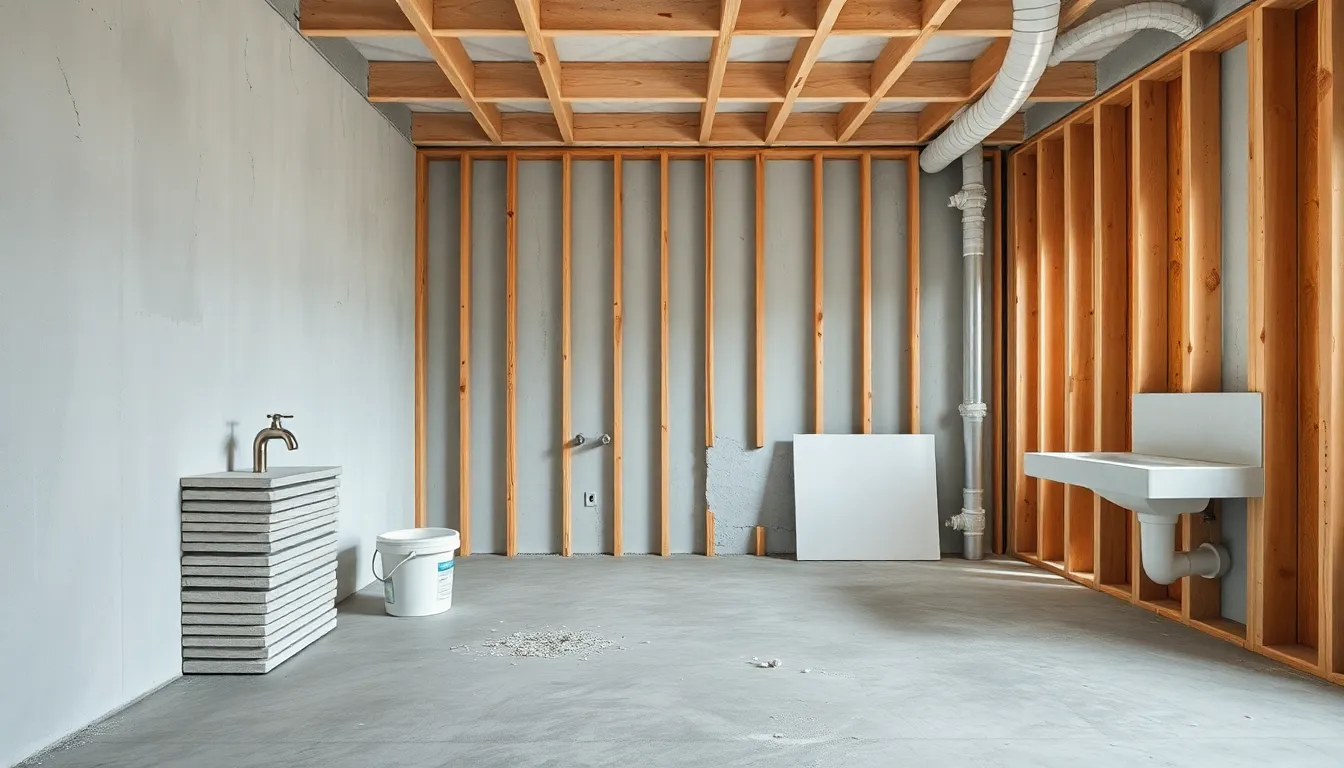
During a January inversion in Salt Lake Valley, outdoor temperatures plunge into the teens while indoor master showers pump dense clouds of 105°F vapor against cold exterior walls and attic ceilings. Although Utah's ambient outdoor climate is semi-arid, localized bathroom relative humidity spikes past 90% in under four minutes, condensing onto matte paint, swelling MDF trim, and freezing inside uninsulated attic flex ducts before dripping rusty water back onto your vanity. Replacing a rattling 4.0-sone builder-grade fan with an engineered variable-speed DC exhaust unit, rigid insulated ducting, and automatic condensation sensing protects your remodel investment.
Utah IRC Code Minimums vs. HVI Master Suite Fixture Calculations
Utah's adopted International Residential Code (IRC Table M1505.4.4) sets a bare legal floor of 50 CFM intermittent or 20 CFM continuous mechanical exhaust for any bathroom, regardless of whether an operable window exists. However, 50 CFM fails miserably inside a 140-square-foot Draper or South Jordan primary bath with 9-foot ceilings. Following Home Ventilating Institute (HVI) engineering standards, bathrooms up to 100 square feet require 1 CFM per square foot (adjusted upward by 1.125x for 9-foot ceilings or 1.25x for 10-foot ceilings). Once floor area exceeds 100 square feet, calculate fixture loads directly: allocate 50 CFM for each enclosed water closet, 50 CFM per standard shower, 50 CFM per soaking tub, and 100 CFM for high-agitation whirlpool tubs.
- IRC M1505.4 mandates mechanical exhaust vented outdoors even if a window is present
- Multiply square footage by 1.25x when sizing 10-foot vaulted master bath ceilings
- Install a separate 50 CFM fan inside enclosed water closets with full-height doors
Panasonic WhisperCeiling DC Motors: 0.3 Sones & Static Pressure Mastery
Homeowners routinely leave noisy 3.0-to-4.0-sone AC shaded-pole builder fans switched off because they sound like a prop plane. Modern brushless ECM DC motors—such as the Panasonic WhisperCeiling DC (FV-0511VQ1) or WhisperGreen Select—operate at whisper-quiet <0.3 to 0.4 sones while offering onboard selector toggles for 50, 80, or 110 CFM (and up to 150–290 CFM on larger chassis). More importantly, SmartFlow ECM intelligence monitors static pressure resistance inside long duct runs; if a 22-foot duct run with two 90-degree elbows creates 0.25 inches water gauge backpressure, the DC motor automatically ramps RPMs upward to maintain true rated CFM, whereas cheap builder fans lose 45% of their airflow.
- <0.3-sone acoustic rating is virtually inaudible over running shower water
- ECM SmartFlow technology compensates for static pressure in 20+ foot duct runs
- Uses 8 to 14 watts of electricity—up to 70% less energy than legacy AC motors

Built-In Condensation Sensors vs. Wall Countdown Timer Switches
In Utah's dry climate where baseline indoor winter relative humidity hovers around 25% to 35%, cheap fixed-threshold humidity switches set to 60% RH often fail to trigger until mirrors are already drenched in fog. Advanced rate-of-rise condensation sensors—like Panasonic's Plug 'N Play Condensation Sensor or Lutron Maestro dual-tech switches—track sudden spikes in both temperature and dew-point rise per minute, kicking the fan from a 30 CFM continuous trickle up to 110 CFM boost immediately. Regardless of onboard humidity sensing, we always install a dedicated wall-mounted 5-15-30-60 minute digital countdown timer switch (such as Lutron Maestro MA-T51) for enclosed toilets and manual post-shower purge cycles.
- Rate-of-rise dew-point sensors outperform fixed 60% RH switches in arid Utah winters
- 20-minute post-shower delay timers purge residual towel and grout moisture completely
- Dedicated wall countdown timers provide instant manual override for odor control
Insulated R-8 Ducting and Damper Terminations Through Cold Attics
Even the finest 150 CFM fan fails if connected to sagging, kinked 3-inch vinyl flex hose dumped into soffit vents—a rampant code violation we uncover in 1980s Salt Lake remodels. Warm moist bath air exhausted into vented soffits gets sucked straight back into freezing attic rafters via passive soffit intake vents, growing black Cladosporium mold across roof sheathing. Under IRC M1501.1, exhaust ducts must terminate outdoors through a dedicated roof jack with a gravity backdraft damper or a sidewall hooded cap at least 3 feet from operable windows. Across unconditioned Utah attics, upsizing to smooth 6-inch galvanized pipe wrapped in R-8 vapor-jacketed insulation prevents interior duct condensation freeze-ups.
- 6-inch rigid galvanized or pulled-tight R-8 insulated duct maximizes CFM and stops drips
- Never vent bathroom moisture into attic spaces or perforated eaves/soffit vents
- Dual backdraft dampers at both fan housing and roof cap block freezing canyon drafts
Utah Bathroom Exhaust Fan CFM & Duct Sizing Matrix
| Bathroom Layout Type | Target Airflow (CFM) | Minimum Duct Diameter | Installed Cost (Fan + R-8 Vent) |
|---|---|---|---|
| Powder Room / Enclosed WC (<50 SF) | 50 CFM intermittent | 4-inch rigid/R-8 insulated | $450 – $650 |
| Hall / Kids Tub-Shower (60–90 SF) | 80 – 110 CFM (<0.4 sones) | 4-inch or 6-inch R-8 duct | $550 – $825 |
| Primary Bath w/ Walk-In (120–160 SF) | 110 – 150 CFM + 50 CFM WC | 6-inch rigid R-8 insulated | $750 – $1,150 |
| Luxury Wet Room / Multi-Head Spa | 190 – 290 CFM inline/ceiling | 6-inch rigid galvanized + R-8 | $1,100 – $1,650 |
Grant Helmer's Utah Field Pro-Tip (DOPL #10146123-5501)
When remodeling bathrooms in West Jordan and Sandy (DOPL #10146123-5501), check the gap under your bathroom entry door! A 150 CFM exhaust fan cannot pull humid air out of a sealed bathroom unless replacement makeup air can enter. Undercutting solid-core bathroom and water-closet doors by 5/8 to 3/4 inch above finished tile ensures effortless cross-ventilation right across the shower glass.
Frequently Asked Questions: Bathroom Exhaust Fan Cfm Calculator Humidity Sensor
Can I put an exhaust fan directly inside a walk-in shower ceiling?
Yes, provided the fan is explicitly UL-listed for wet/damp locations over tubs and showers AND wired onto a 20-amp GFCI-protected branch circuit per NEC rules. Do not place standard exhaust fans inside enclosed steam showers, or they will suck out all the steam before the room warms up.
Why was water dripping out of my bathroom fan during a snowstorm?
Dripping fans in Utah winters almost always stem from uninsulated attic flex ducting or a stuck roof damper. Warm shower vapor hits the 15°F duct wall in your attic, condenses into liquid water or frost, and runs backward down the pipe straight onto your ceiling drywall.
Does an operable bathroom window eliminate the code requirement for an exhaust fan?
Under current Utah IRC residential amendments and modern municipal inspections across Salt Lake County, mechanical exhaust fans vented outdoors are required in new bathroom builds and full-gut remodels—because nobody opens a bathroom window when it is 18°F and smoky with inversion haze outside.
How long should a bathroom exhaust fan run after a hot shower?
HVI building science testing shows an exhaust fan should continue running for 20 to 30 minutes after turning off the water. That extra cycle clears lingering moisture evaporating off wet bath towels, glass doors, and cementitious grout joints.
Related Utah Roofing, Bathroom & Remodeling Resources
Schedule Your Salt Lake County & Wasatch Front, UT Inspection or Design Quote
Direct owner consultation with Grant Helmer (Utah DOPL #10146123-5501) — zero high-pressure sales.