
Utah Chimney Cricket Code (IRC R1003.20): Why Chimneys Over 30" Need Saddles

Under Utah Residential Code IRC R1003.20 (and R905.2.8.2), any masonry or framed chimney wider than 30 inches measured perpendicular to the roof slope must have a ridge-shaped cricket or saddle framed on its uphill side—unless it intersects the roof ridge. Urban Design & Remodel (Utah DOPL #10146123-5501, (801) 440-1952) builds OSB-sheathed, ice-shielded, 24-gauge metal-flashed chimney crickets during reroofs for $750 to $1,650, permanently stopping snow-pack leaks.
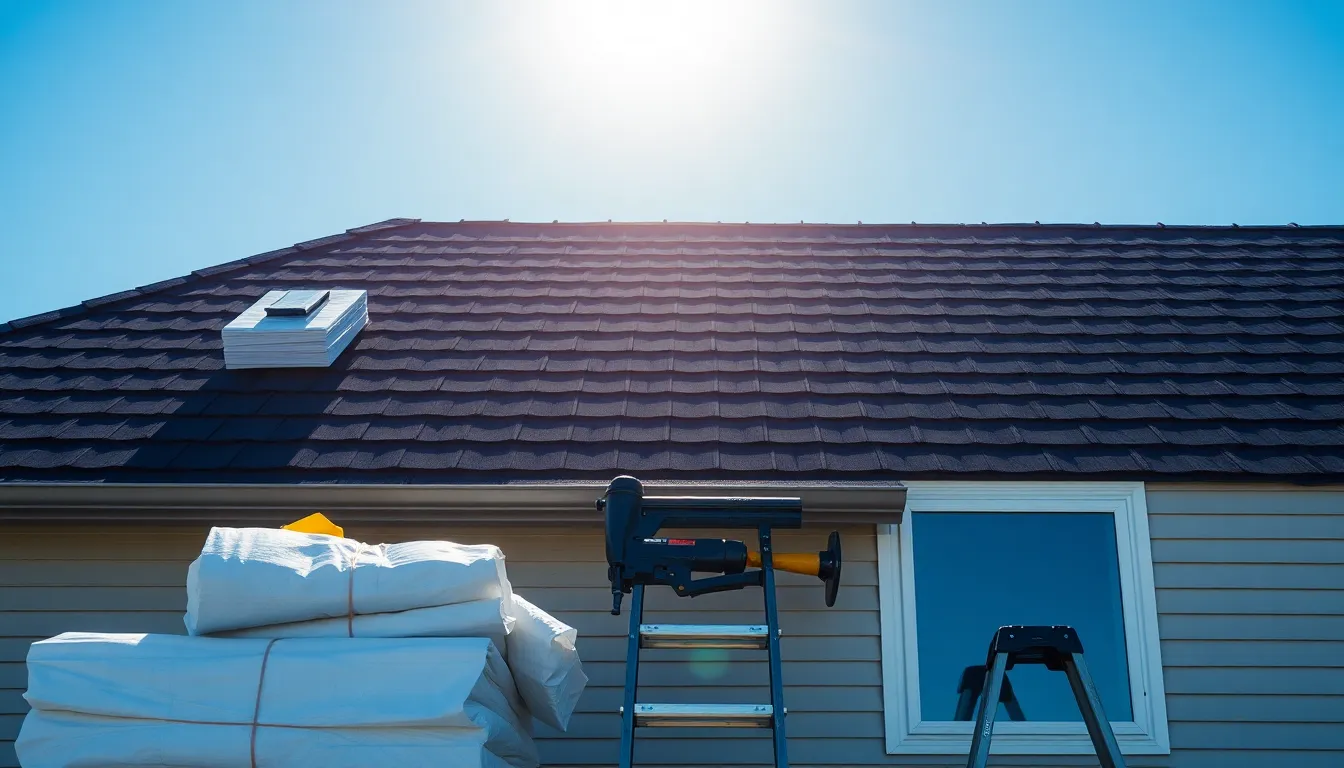
Wide brick and stone fireplace chimneys give 1950s–1990s homes in Holladay, Sugar House, Sandy, and Bountiful unmistakable curb appeal—and the #1 chronic interior ceiling leak along the Wasatch Front. Many older Utah homes were built with 36-to-60-inch-wide masonry chimneys projecting straight through the middle or lower eave of a roof slope with nothing behind them except a flat 4-inch L-shaped tin back-pan smeared in cracked black roofing tar. Every winter, two feet of wet snow wedges tightly against that flat brick wall, damming gallons of meltwater higher than the flashing until water pours down the chimney chase into living room hearths and basement ceilings. Utah's 30-inch cricket mandate fixes this geometry permanently.
Decoding Utah IRC R1003.20 Geometry, Slope & Load Rules
Section R1003.20 of the International Residential Code adopted by Utah states unequivocally: chimneys shall be provided with crickets where the dimension parallel to the ridgeline is greater than 30 inches and does not intersect the ridgeline. Furthermore, code dictates that the pitch of the framed cricket saddle must at least match the pitch of the main roof plane above it, ensuring sliding snow and rainwater split cleanly into dual diagonal valleys rather than ponding in a flat pocket. On wide 48-to-72-inch twin-flue stone chimneys common on Draper and East Bench estates, the cricket ridge typically rises 12 to 24 inches up the back masonry face, built from structural 2x4/2x6 rafters and 7/16-inch APA-rated OSB engineered for local ground snow loads.
- Mandatory trigger: Any uphill chimney face >30 inches wide not straddling the roof peak
- Cricket roof slope must equal or exceed main roof pitch per IRC Table R1003.20
- Eliminates flat dead-water troughs where freeze-thaw ice expands against brick mortar joints
Custom Wood-Framed Cricket + Membrane vs. Sheet-Metal Saddle Pans
Depending on chimney width and masonry height clearance below flue caps, two code-compliant saddle designs exist. For chimneys 30 to 42 inches wide, a custom brake-formed 24-gauge Galvalume or 16 oz soldered copper sheet-metal cricket fabricated over a solid wood framing substrate sheds ice slickly with zero shingle seams in the splash zone. On broad 44-to-80-inch masonry or stucco fireplace chases, we frame a full carpentry gable saddle over the existing roof deck, wrap the entire cricket, dual valleys, and 12 inches up the vertical brick wall in high-temperature self-adhered ASTM D1970 ice-and-water membrane, install 24-gauge open W-valley metal in both side channels, and shingle over larger planes (or fully clad smaller saddles in 24-gauge painted steel).
- 30"–42" chimneys: Custom 1-piece/welded 24-gauge steel pan over solid OSB framing
- 44"–80" wide chases: Framed 2x4/OSB saddle wrapped 100% in high-temp ice barrier + metal valleys
- Zero reliance on roof mastic or silicone caulk—pure mechanical shingled water diversion
Grinding Reglet Counter-Flashing Into Brick Mortar (Never Surface Caulk!)
Even a textbook cricket will leak if the contractor cuts corners on masonry counter-flashing along the chimney sides and saddle peak. Production roofers frequently reuse rusty 30-year-old counter-flashing or shoot surface-mount metal flat onto uneven red brick faces with tapcon screws and polyurethane caulk; Utah's 100+ annual freeze-thaw cycles peel surface caulk away from dusty brick within three winters. Our masons and roofers weave individual 26-gauge aluminum or steel L-step-flashing tins under every shingle course, then diamond-grind a clean 3/4-inch-deep reglet kerf directly into horizontal mortar joints (stepping down stair-wise with roof pitch), tuck hemmed 24-gauge painted counter-flashing into the mortar slot, wedge lead anchors, and tool flexible urethane mortar sealant.
- Two-part flashing allows roof framing and rigid brick masonry to move independently without tearing
- 3/4" diamond-cut mortar reglets outlast surface-caulked 'lip' flashings by 20+ years
- Siding-clad wood chimney chases receive 18" ice-shield turn-up behind removed/reinstalled siding
2026 Utah Chimney Cricket Cost & Insurance Code-Upgrade Coverage
Adding a brand-new code-compliant chimney cricket during an active roof tear-off is dramatically cheaper than opening up a finished roof after interior ceiling plaster stains appear. Across Salt Lake County in 2026, framing, sheathing, ice-shielding, step-flashing, and reglet counter-flashing a standard 32-to-48-inch chimney cricket during reroofing runs $750 to $1,250; extra-wide 5-to-7-foot stone chimneys or steep 10:12 two-story chases run $1,250 to $1,850. Better yet, if your roof is being replaced under a wind or hail insurance claim and your existing >30-inch chimney lacks a saddle, your policy's Ordinance or Law (Building Code Upgrade) coverage routinely reimburses 100% of the cricket construction cost once documented with IRC R1003.20 photos.
- Standard 32"–48" chimney cricket + new reglet counter-flashing during reroof: $750–$1,250
- Oversized 50"–80" stone/stucco chase saddle on steep pitch: $1,250–$1,850 complete
- Qualifies for insurance Ordinance & Law reimbursement under mandatory Utah IRC R1003.20
Utah Chimney Flashing & Cricket Saddle Cost & Code Matrix
| Chimney Width (Parallel to Ridge) | Utah IRC R1003.20 Requirement | Recommended Flashing Spec | Bundled Reroof Cost |
|---|---|---|---|
| Under 30 Inches Wide | Cricket optional; back-pan allowed | 18" 24-ga back-pan + reglet step flashing | $375 – $625 (re-flash) |
| 30" to 42" Masonry Chimney | Mandatory framed cricket saddle | OSB cricket + 100% 24-ga steel saddle pan | $750 – $1,150 |
| 43" to 72" Wide Brick / Stone | Mandatory structural cricket | 2x4/OSB saddle, ice wrap, W-valleys & reglets | $1,150 – $1,650 |
| 36"+ Sided Wood Chase (Hardie/Stucco) | Mandatory cricket + Z-clearance | Siding cut back 2", 18" ice wrap & kickout | $950 – $1,750 |
Grant Helmer's Utah Field Pro-Tip (DOPL #10146123-5501)
When a chimney leaks in Sugar House or Holladay ONLY during heavy wet snow or driving south rain—not during a garden-hose test on shingles—check two spots above the cricket too: cracked concrete chimney crowns and porous unsealed brick mortar (Utah DOPL #10146123-5501). While staging is up for your cricket, sealing brick with breathable siloxane water repellent stops top-down saturation.
Frequently Asked Questions: Chimney Cricket Code 30 Inches Utah
Will my city building inspector fail a reroof if a 36-inch chimney has no cricket?
Yes. Salt Lake County jurisdictions enforcing IRC R908.1 and R1003.20 require reroof projects to meet current code provisions, meaning any non-ridge chimney exceeding 30 inches in width must receive a properly framed and flashed cricket to pass final municipal roof inspection.
Does a chimney straddling the very peak of the roof ridge need a cricket?
No. IRC R1003.20 explicitly exempts chimneys that intersect the ridgeline because water and snow naturally shed away down both opposing roof slopes without hitting an uphill flat masonry wall.
Should a chimney cricket be covered in shingles or sheet metal?
Compact crickets under 42 inches wide perform best clad entirely in custom brake-bent 24-gauge painted steel with zero nail penetrations. Wider saddles over 48 inches use self-adhered ice-and-water shield across the entire wood deck with 24-gauge open metal valleys and architectural shingles above.
Can roofers reuse existing brick counter-flashing to save money?
Reusing corroded, paint-caked, or surface-caulked old counter-flashing is the #1 reason brand-new roofs still leak around chimneys. Cutting fresh mortar reglets and installing new 24-gauge step and counter-flashing ensures your flashing lasts as long as your 40-year shingles.
Related Utah Roofing, Bathroom & Remodeling Resources
Schedule Your Salt Lake County & Wasatch Front, UT Inspection or Design Quote
Direct owner consultation with Grant Helmer (Utah DOPL #10146123-5501) — zero high-pressure sales.