Do You Need a Building Permit for a Bathroom Remodel in Salt Lake County?

Under Utah's adopted 2021 International Residential Code (IRC Section R105.2), purely cosmetic finish swaps—like painting, regrouting, replacing floor tile, or swapping a vanity faucet in its exact location—are permit-exempt. However, Salt Lake County municipalities require a residential building permit ($180–$550) whenever you convert a tub to a shower, move drains or supply pipes, add 20-amp electrical circuits, alter framing, or route new exterior exhaust ducting. Call Urban Design & Remodel (Utah DOPL #10146123-5501) at (801) 440-1952.
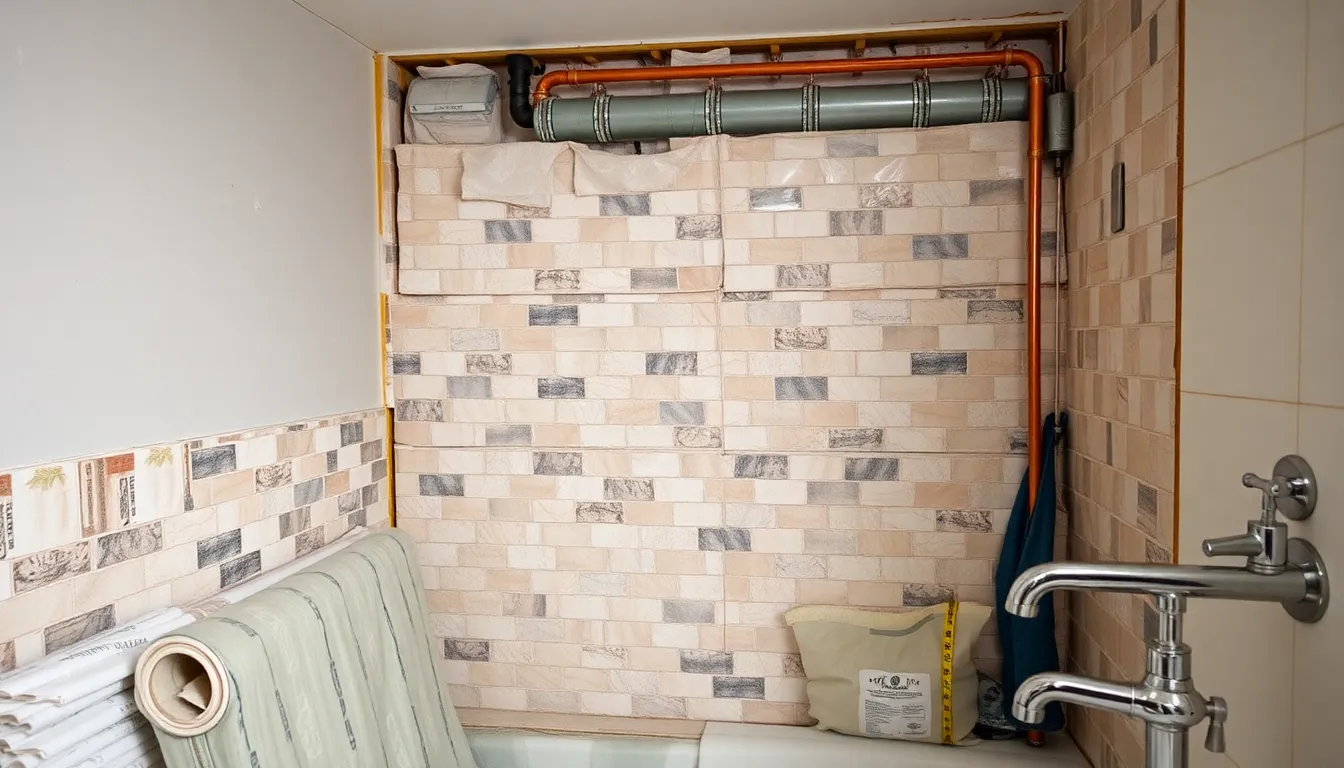
Every week along the Wasatch Front, homeowners receive conflicting advice on bathroom permits: unlicensed handymen claim nobody pulls permits for interior baths, while home inspectors flag unpermitted basement and primary suite renovations during real estate escrow. Under Utah Code Title 15A (State Construction and Fire Codes Act), municipal building departments across Salt Lake City, West Jordan, Sandy, Draper, Murray, and South Jordan enforce clear lines between cosmetic maintenance and regulated structural, plumbing, or electrical alterations. Skipping a $300 city permit on a $35,000 tub-to-shower conversion risks uninspected subfloor leaks, voided homeowner insurance water-damage claims, and forced seller disclosures when you list your home.
Cosmetic Pull-and-Replace Work That Is Exempt Under Utah IRC R105.2
Utah residential building code explicitly exempts surface-level finish upgrades from municipal building permits provided you do not breach concealed MEP (mechanical, electrical, plumbing) systems, structural framing members, or fire-rated gypsum assemblies. You do not need a city permit in Salt Lake County to remove old carpet or sheet vinyl and install mortared porcelain floor tile, swap a builder-grade vanity cabinet and quartz countertop onto existing angle-stop valves and P-trap stubs, replace a toilet on an intact closet flange, paint walls, or swap vanity sconces onto existing junction boxes. However, the moment demolition exposes rotted subfloor joists or requires cutting into concealed DWV stacks behind drywall, the scope requires permitting.
- Permit-exempt: Like-for-like toilet, faucet, vanity, mirror, baseboard, and floor tile replacements
- Permit-exempt: Swapping an existing bathroom exhaust fan motor inside an intact exterior-vented housing
- Grey-zone trap: Tearing out tiled shower walls down to studs triggers waterproof backing & valve rules
Why Tub-to-Shower Conversions Always Require a Plumbing Permit in Utah
One of the most frequent residential code violations across Sandy, West Jordan, Draper, and Cottonwood Heights occurs during unpermitted alcove tub-to-walk-in-shower conversions. Standard 60-inch bathtubs drain through a 1.5-inch waste pipe and trip-lever overflow assembly, whereas Utah International Plumbing Code (IPC Table 709.1) strictly mandates a minimum 2-inch diameter P-trap and horizontal branch drain for standalone walk-in showers so modern rain-head flow never backs up over low-profile curbs. Furthermore, municipal inspectors verify that your new rough-in mixing valve carries ASSE 1016 pressure-balanced or thermostatic anti-scald certification, and witness either a 24-hour standing water pan flood test or listed sheet-membrane overlap prior to setting tile.
- Utah IPC requires upgrading 1.5-inch bathtub drains to 2-inch trapped shower drains during conversions
- Inspectors verify ASSE 1016 anti-scald shower valves set to a maximum 120°F outlet temperature
- Windows inside new taller shower enclosures must be upgraded to tempered safety glass per IRC R308.4.5
Electrical and Ventilation Triggers: 20A GFCI Circuits and Exterior Ducting
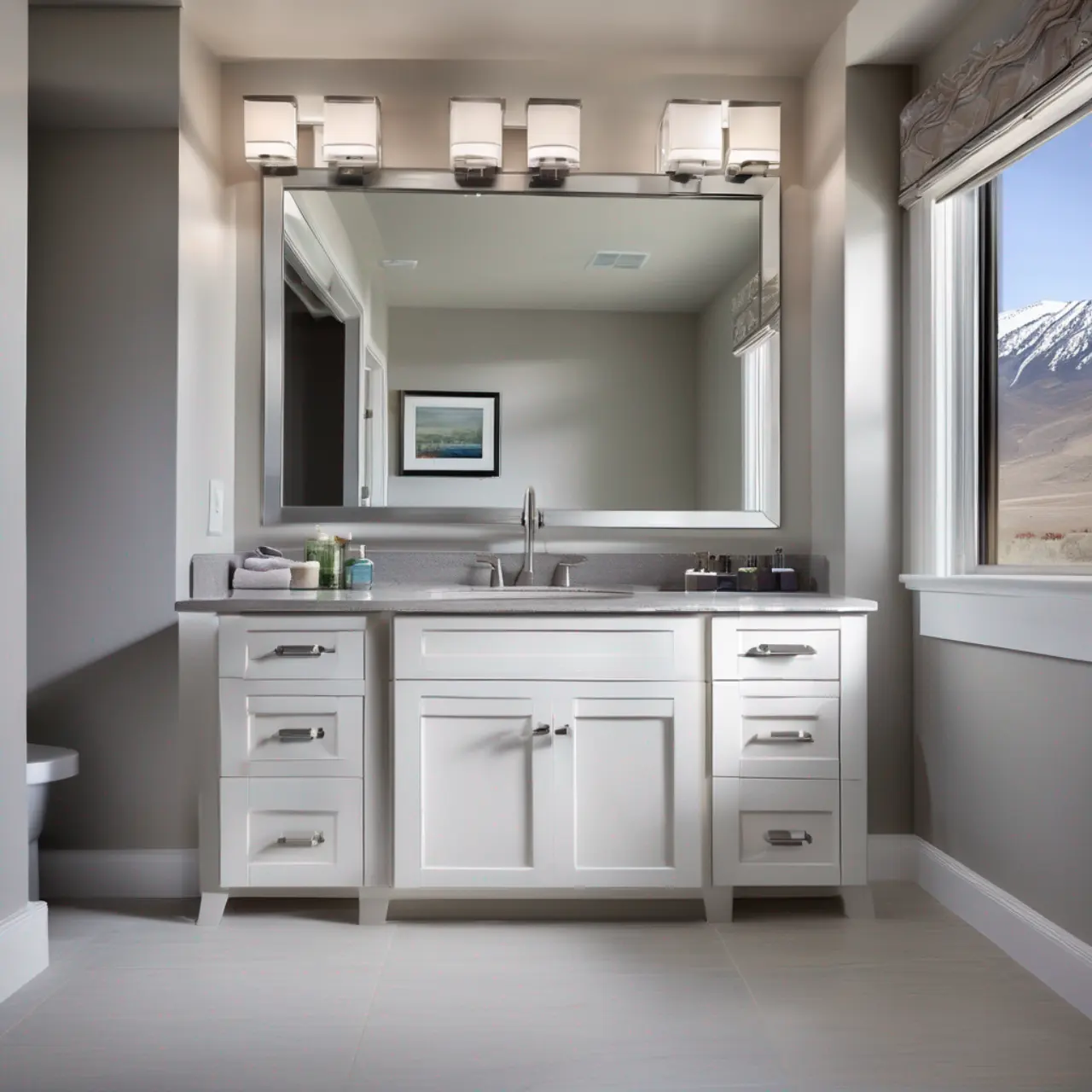
Older Salt Lake Valley homes built before 1996 frequently share a single 15-amp ungrounded or overloaded circuit across two bathrooms and adjacent hallway bedrooms. Plugging a 1,500-watt hair dryer into a vanity outlet while heated tile floors or bidets run immediately trips breakers—or overheats aging wiring. Whenever a bathroom remodel adds electric radiant floor heating mats, heated bidet toilet seats, recessed shower wet-location LEDs, or relocated vanity sconces, NEC 210.11(C)(3) requires a dedicated 20-amp bathroom receptacle circuit with GFCI protection. Similarly, Utah IRC M1505.4 mandates a minimum 50-CFM continuous or intermittent mechanical exhaust fan vented strictly outdoors—never dumped into cold Utah attics where frost causes black mold on roof sheathing.
- Dedicated 20-amp GFCI receptacle circuits prevent breaker trips from hair tools and smart bidets
- Wet-zone recessed LED lights within 8 feet vertically of shower thresholds must carry IC/Wet-Location listings
- 4-inch insulated R-6 flex or rigid galvanized exhaust ducts must terminate outdoors through roof or soffit caps
Permit Costs, Portal Turnaround, and Resale Protection Across Salt Lake Cities
Many homeowners hesitate to pull municipal permits because they fear months of bureaucratic delays and skyrocketing county property taxes. In reality, interior residential bathroom remodel permits across Salt Lake County are processed digitally through online city portals (such as Cityworks, OpenGov, or Salt Lake Citizen Access) within 5 to 10 business days and typically cost just $185 to $525 based on scope valuation. Salt Lake County assessors value residences primarily on total square footage and bathroom count—updating an existing upstairs bathroom rarely triggers assessment jumps compared to finishing raw basements. Best of all, a signed final inspection card proves to future buyers that concealed waterproofing and wiring meet Utah code.
- Typical Salt Lake County city bath remodel permit fees run $185–$525 (less than 1.5% of project cost)
- Utah Seller Property Condition Disclosure Form explicitly asks if any remodeling lacked required permits
- Licensed B100/R100 General Contractors (DOPL #10146123-5501) handle all CAD drawings, submittals & inspector meets
Salt Lake County Bathroom Remodel Permit Requirements & Fee Matrix
| Municipality / Jurisdiction | Typical Bath Permit Fee | Plan Review Turnaround | Key Inspector Focus Areas |
|---|---|---|---|
| West Jordan & South Jordan | $195 – $420 | 5 – 8 Business Days | 2-inch shower drain upgrade, 20A GFCI, attic fan ducting |
| Salt Lake City (SLC Corp) | $240 – $550 | 7 – 12 Business Days | AFCI/GFCI panel upgrades, historic cast-iron vent transitions |
| Sandy & Draper | $210 – $460 | 5 – 10 Business Days | Tempered shower glass windows, 24-hr pan flood test, nail plates |
| Millcreek, Holladay & Murray | $185 – $440 | 4 – 8 Business Days | Joist notching limits (IRC R502.8), anti-scald valve, wet LEDs |
Grant Helmer's Utah Field Pro-Tip (DOPL #10146123-5501)
Under Utah DOPL law, only a licensed B100 or R100 General Contractor (like Urban Design & Remodel, DOPL #10146123-5501)—or an owner-builder signing a legal liability exemption—can pull a multi-trade bathroom permit. Never pull an 'owner-builder' permit for an unlicensed contractor; doing so makes you legally liable for workers' comp injuries and code failures.
Frequently Asked Questions: Bathroom Remodel Permit Requirements Salt Lake County
What happens if I sell my Salt Lake County house with an unpermitted bathroom remodel?
Utah's mandatory Seller Property Condition Disclosure Form requires sellers to disclose any structural, plumbing, or electrical work completed without permits. Savvy buyer agents routinely check municipal permit portals when a 1980s rambler displays a modern curbless shower or basement bath, triggering price reductions or escrow holdbacks.
Does replacing an old bathroom window require a permit in Utah?
Swapping an energy-efficient vinyl window sash inside the exact existing rough framing opening is generally permit-exempt, provided any glazing located within 60 inches vertically of a tub or shower standing surface uses ANSI Z97.1 / IRC R308.4.5 etched safety tempered glass. Enlarging structural headers requires a permit.
Will homeowner insurance cover a shower leak if no permit was pulled?
While individual policy exclusions vary, property insurance adjusters investigating costly second-floor subfloor rot or main-floor drywall collapses routinely deny water-damage claims traced back to faulty, unpermitted plumbing alterations—such as code-violating 1.5-inch shower drains, unvented traps, or omitted waterproof pan liners.
How many inspections are required for a permitted Utah bathroom remodel?
A standard permitted interior bathroom remodel in Salt Lake County requires just two municipal inspector visits (or three if underground concrete slab trenching is involved): a combined Rough MEP/Framing check before drywall and backer board go up, and a 15-minute Final Inspection once fixtures and GFCI outlets are live.
Related Utah Roofing, Bathroom & Remodeling Resources
Schedule Your Salt Lake County & Wasatch Front, UT Inspection or Design Quote
Direct owner consultation with Grant Helmer (Utah DOPL #10146123-5501) — zero high-pressure sales.