
Evaporative Cooler Rust Stains & Hard-Water Shingle Damage on Utah Roofs

Rooftop evaporative ('swamp') coolers discharging Utah's 15–20 GPG hard water and rusty sump-pan overflow directly onto asphalt shingles strip protective UV ceramic granules, saponify asphalt binders, and rot OSB decking beneath the 20x20-inch duct curb within 5 to 8 years. Routing bleed-off lines in UV-rated PVC straight into gutters—or full cooler removal and structural deck framing ($450–$950 during reroofing)—permanently prevents leaks. Call Urban Design & Remodel at (801) 440-1952 (DOPL #10146123-5501).

Drive down almost any street of 1955–1995 brick ramblers and split-levels in West Jordan, Murray, Taylorsville, Midvale, Sugar House, or Bountiful, and you will spot the unmistakable bright-orange streak running straight from a rooftop evaporative cooler down into the gutter. For decades, Utah's dry summer climate made down-draft 'swamp coolers' standard equipment—yet Salt Lake County's notoriously mineral-heavy municipal water (15 to 20 grains per gallon of dissolved calcium and magnesium) turns neglected cooler sump pans and open bleed-off tubes into slow-motion shingle destroyers. Addressing cooler plumbing or permanently framing closed decommissioned rooftop ducts during reroofing saves thousands in interior ceiling repairs.
Why Utah Hard-Water Bleed-Off & Pan Rust Destroy Asphalt Shingles
Evaporative coolers pull dry 95°F Utah air through wet aspen or rigid media pads; as pure water evaporates, concentrated calcium carbonate scale builds up inside the steel sump pan. To keep mineral crust from seizing the pump and corroding the cabinet, plumbers install a continuous 'bleed-off' line—or worse, a corroded float valve sticks open and trickles 24/7 down the shingles. Unlike brief rainstorms, a steady trickle of warm, alkaline, iron-oxide-laden water running across the exact same 12-inch shingle path for 120 summer days dissolves petroleum bitumen oils, loosens ceramic granules down to bare black fiberglass mat, and builds brittle white mineral dams that force thunderstorm runoff sideways under adjacent shingle tabs.
- Continuous 15–20 GPG hard-water bleed trickle strips 100% of protective shingle granules along the drip path.
- Ferric oxide rust from corroding galvanized cooler pans chemically bonds to ceramic granules, creating permanent orange stains.
- Concentrated foot traffic from spring startup and fall winterization crushes sun-softened shingles around the unit.
Re-Piping Active Cooler Bleed Lines & Flashing Pitch-Pan Curbs
If your household still relies on an active rooftop down-draft evaporative cooler (such as a stainless-steel or polymer-cabinet Breezair or MasterCool unit), zero water should ever touch your shingles. First, swap rusted galvanized steel cabinets for heavy molded polymer housings that cannot bleed orange iron oxide. Second, pipe both the continuous bleed-off tube and the emergency pan overflow standpipe inside rigid 3/4-inch Schedule 40 PVC painted with UV-blocking exterior acrylic, supported on non-penetrating rubber pipe blocks all the way into your gutter or down into landscape drip zones. Third, rebuild the 20x20-inch square sheet-metal roof jack curb wrapped in 36-inch Ice & Water Shield with soldered corner seams.
- Never let clear vinyl bleed tubing whip loose on shingles; sleeve inside painted rigid PVC routed straight into gutters.
- Install a quarter-turn brass attic or exterior shutoff valve + seasonal drain tee to prevent freeze-burst copper supply lines.
- Lay sacrificial walkway pads around active rooftop coolers to protect hot July shingles from service boot scuffing.
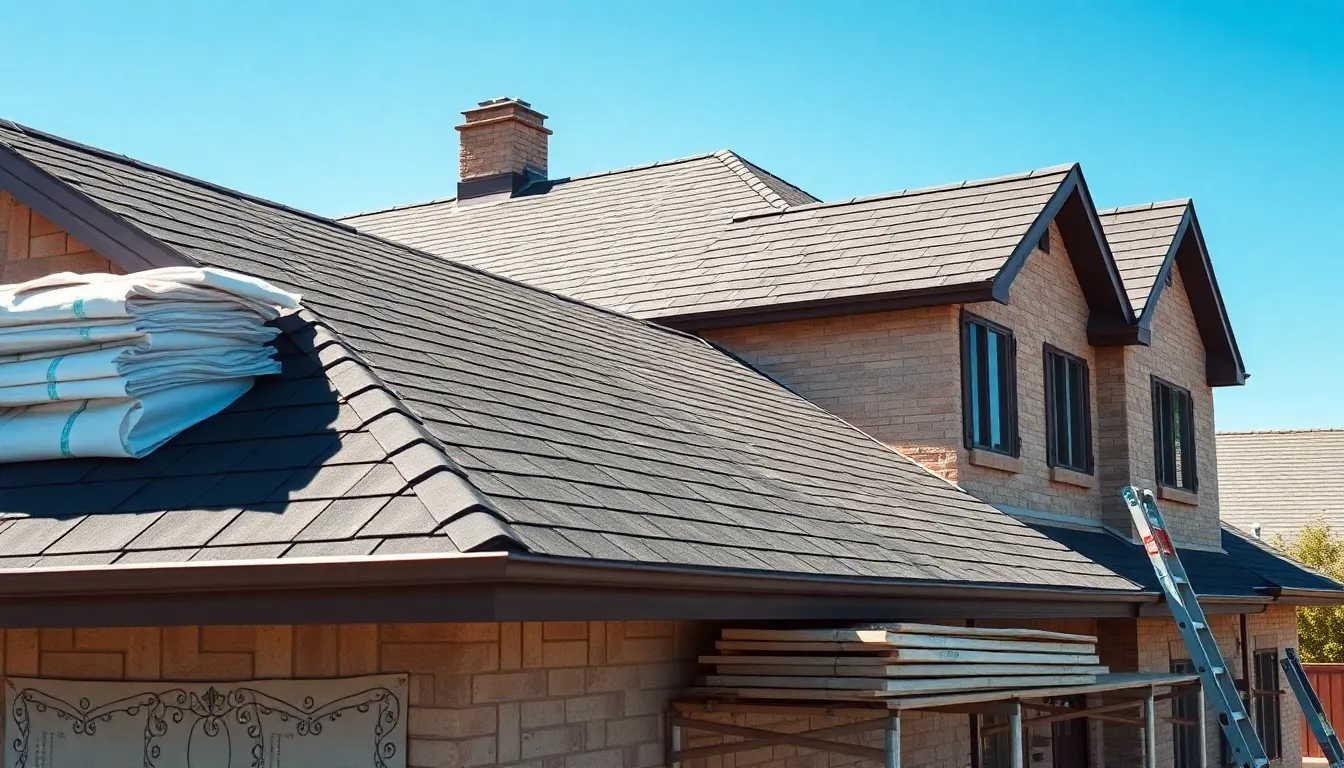
Removing Decommissioned Swamp Coolers When Upgrading to Central AC
Thousands of Salt Lake Valley homes have upgraded to central air conditioning or high-efficiency ductless heat pumps over the past decade while leaving the dead, 250-pound rusted swamp cooler sitting up on the ridge because the HVAC crew did not want to patch roofing. Leaving an abandoned cooler overhead invites disaster: rusted bottom pans collapse under winter snow, winds rock the dry cabinet until curb nails tear open, and uninsulated metal drop-ducts leak $300+ a year in heated winter indoor air straight into the sky. Removing the dead unit during a roof replacement costs just $450 to $950—compared to $1,400 to $2,200 as a standalone emergency roof repair.
- Crane or rope-lower rusted cooler cabinets safely off the roof without gouging gutters or landscaping.
- Cap and abandon rooftop 1/2-inch copper water supply lines below the conditioned thermal envelope so pipes never freeze.
- Disconnect abandoned 120V/240V rooftop junction boxes safely inside the attic per Utah NEC electrical standards.
Framing, Insulating & Drywall-Finishing the Old Ceiling Drop-Duct
Because Urban Design & Remodel is a full-service licensed General Contractor rather than an exterior-only shingle crew, we handle both halves of a swamp-cooler decommissioning cleanly in one visit. Outside on the roof, our carpenters cut back damaged sheathing, toe-nail structural 2x4 or 2x6 framing flush between existing rafters, deck the opening with matching APA OSB sheathing, and weave continuous synthetic underlayment and new Class 4 shingles seamlessly overhead—leaving zero trace a hole ever existed. Inside the hallway below, we remove the unsightly louvered metal ceiling plenum, frame and hang 1/2-inch drywall, match orange-peel or knockdown ceiling texture, and blow R-49 attic insulation right over the patched bay.
- Structural rafter blocking + new OSB sheathing eliminates permanent roofcurb leak points forever.
- Stuffing a pillow into an unused hallway swamp-cooler grate still leaks massive conditioned air—proper drywall + R-49 pays back fast.
- Seamless interior ceiling patch and texture matching turns an eyesore hallway grate into clean, quiet ceiling.
Utah Rooftop Swamp Cooler Repair vs. Removal Cost & Risk Matrix
| Rooftop Cooler Scenario | Typical Utah Cost (2026) | Shingle & Leak Risk Level | Recommended Contractor Action |
|---|---|---|---|
| Leave Open Bleed Tube Dripping on Roof | $0 Upfront ($3,500+ Rot Later) | Severe — Strips Granules & Rots OSB | Stop immediately; voids shingle warranty |
| Re-Flash Curb + Pipe Bleed Line to Gutter | $380 – $750 (During Reroof) | Low — Requires Annual Spring Check | Use polymer cooler cabinet + walk pads |
| Remove Dead Cooler + Frame/Deck Roof Only | $450 – $950 (Bundled w/ Reroof) | Zero — Permanent Monolithic Deck | Cap water/power safely inside attic |
| Standalone Removal + Interior Ceiling Drywall | $1,450 – $2,400 (Turnkey GC) | Zero — Eliminates Heat Loss & Leaks | Includes R-49 attic insulation infill |
Grant Helmer's Utah Field Pro-Tip (DOPL #10146123-5501)
For removing orange swamp-cooler rust stains off sound existing shingles in Murray or West Jordan (DOPL #10146123-5501), never scrub with muriatic acid or a wire brush! Gently apply an oxalic-acid based rust remover diluted per label specs with a pump sprayer on a cool morning, let it chelate the iron oxide for 15 minutes, and rinse gently with a garden hose.
Frequently Asked Questions: Swamp Cooler Rust Stains On Roof Shingles
Does swamp cooler bleed-off water void my new asphalt shingle warranty?
Yes. Every major shingle manufacturer—including Owens Corning, Malarkey, GAF, and CertainTeed—explicitly excludes granule loss and premature mat deterioration caused by continuous mechanical equipment condensate or mineral bleed-off discharging directly onto shingles.
How do you safely remove orange rust stains left by an old swamp cooler?
Provided the underlying ceramic granules haven't already eroded down to bare fiberglass mat, diluted oxalic acid solution gently dissolves ferric oxide rust without bleaching shingle color or harming asphalt—just pre-wet gutters and plants below before rinsing lightly.
Should I remove an unused swamp cooler before installing a new roof?
100% yes. Paying a roofer to custom-flash around a dead, rusting metal box leaves an unnecessary 20x20-inch hole in your brand-new roof. Crane-lowering the unit, framing solid OSB decking across the rafters, and shingling flat eliminates future leaks permanently.
Can I convert an old swamp cooler roof hole into a solar tube or attic exhaust vent?
Often yes! A retired central hallway cooler shaft aligns right over dark interior corridors in 1970s brick ramblers—making it an ideal chase for a flashed 14-inch tubular skylight (Sun Tunnel) after framing down the excess opening.
Related Utah Roofing, Bathroom & Remodeling Resources
Schedule Your Salt Lake County & Wasatch Front, UT Inspection or Design Quote
Direct owner consultation with Grant Helmer (Utah DOPL #10146123-5501) — zero high-pressure sales.