
Gutter Guards & Heat Tape Compatibility in Utah Winters: Stopping Ice Shelves

Yes—solid-helmet and flat micro-mesh gutter guards frequently turn into frozen ice shelves during Salt Lake County freeze-thaw cycles, forcing meltwater straight over the edge as dangerous icicles. Urban Design & Remodel (Utah DOPL #10146123-5501, (801) 440-1952) prevents winter icing by fixing attic heat loss first, or pairing anodized aluminum perforated guards with UL-listed self-regulating 5–8 W/ft heat cable routed inside troughs and downspouts ($14–$24/LF).
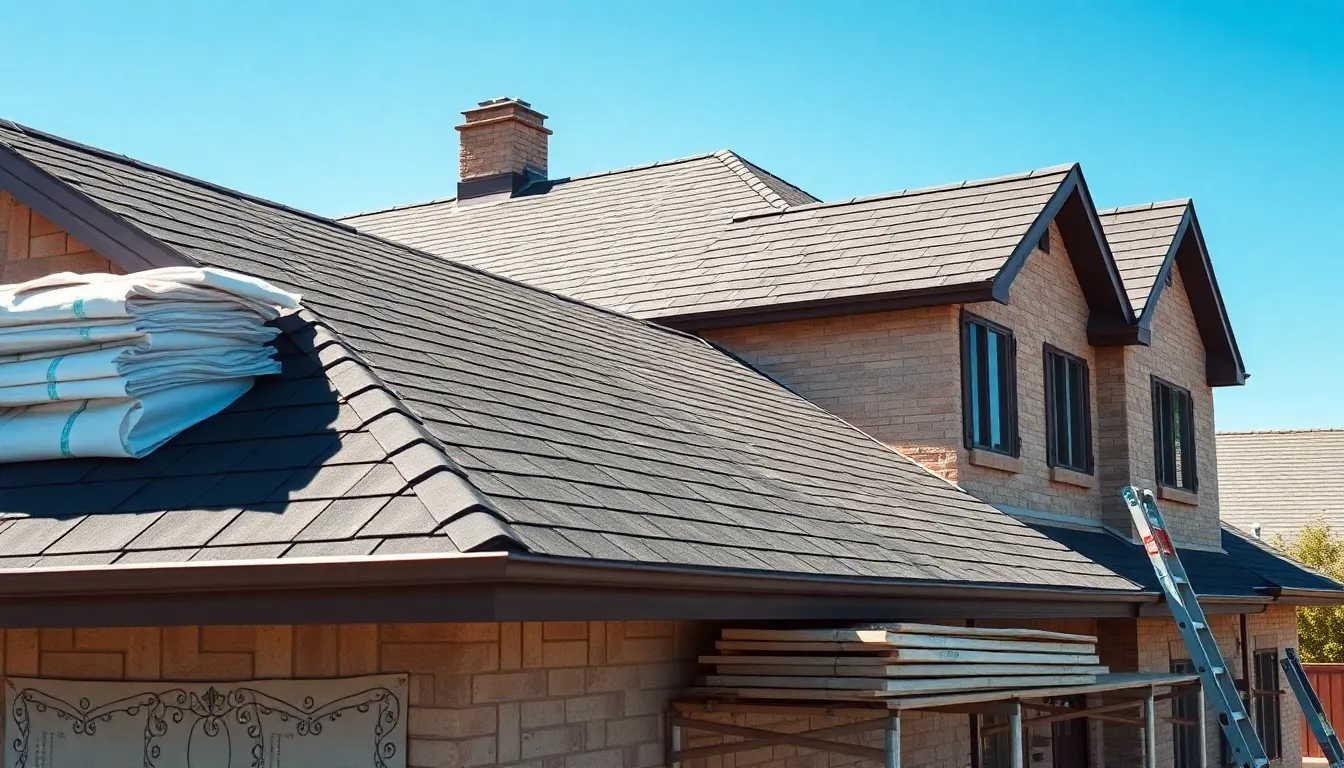
National leaf-filter commercials filmed in mild Georgia rainstorms make sealed gutter covers look effortless—until January arrives in Holladay, Cottonwood Heights, or Bountiful. Along our wooded Wasatch benches, cottonwood catkins, boxelder seeds, and Gambel oak leaves definitely clog open gutters every October. Yet installing the wrong reverse-curve helmet or tightly woven surgical stainless micro-mesh without addressing Utah's snow physics often trades autumn ladder climbs for two-foot-long winter icicles hanging directly over garage doors and front steps. Understanding why thin frost bridges seal leaf screens shut—and how commercial self-regulating heat trace integrates safely with compatible aluminum covers—saves homeowners from expensive eave mistakes.
Why Micro-Mesh & Reverse-Curve Helmets Freeze Into Utah Ice Ramps
When six inches of snow sits on a Salt Lake roof during a sunny 34°F January afternoon, solar warmth or escaping attic heat melts the bottom millimeter of snowpack. As trickle water reaches the cold overhanging eave, it hits the flat top of a gutter guard exposed to freezing ambient air on both top and bottom surfaces. On ultra-fine 40-to-100-micron stainless micro-mesh, surface tension holds water droplets across tiny pores where overnight 18°F air freezes them into an impermeable glaze of solid ice. Subsequent snowmelt skates straight across that frozen lid like a ski jump, forming thick icicles along the outer fascia drip line while leaving the spacious 6-inch gutter trough completely empty and dry underneath.
- Fine micro-mesh pores bridge over with frost at 28°F–32°F, blocking midday snowmelt entry
- Reverse-curve 'helmet' hoods accelerate sliding snow sheets directly onto driveways and walkways
- Added ice weight sitting atop flat covers stresses fascia hangers without draining through downspouts
Root-Cause Remediation First: Attic Air-Sealing & R-49/R-60 Insulation
Before spending $2,000+ on heated eave cables or specialized snow-rated gutter screens, our building-science inspection checks why snow is melting on your roof at 22°F in the first place. Nine out of ten severe icicle clusters on north-facing Utah eaves stem from warm indoor air leaking past recessed can lights, bath-fan housings, attic hatches, and plumbing chases—heating the OSB roof deck above 32°F while eaves stay sub-freezing. Air-sealing ceiling top plates with closed-cell foam, installing rigid soffit rafter baffles, and blowing fiberglass or cellulose up to Utah IECC Climate Zone 5B targets (R-49 to R-60) keeps your roof deck cold, drastically shrinking winter meltwater volume before it ever reaches a gutter guard.
- Fixing attic bypass air leaks eliminates up to 80% of winter eave icicles without electric power draw
- Balanced 1:150 soffit-to-ridge cold-roof airflow flushes solar heat out the peak before snow melts
- Prevents hidden OSB condensation rot and attic mold alongside exterior icicle reduction
Compatible Perforated Aluminum Guards + Self-Regulating Heat Cable
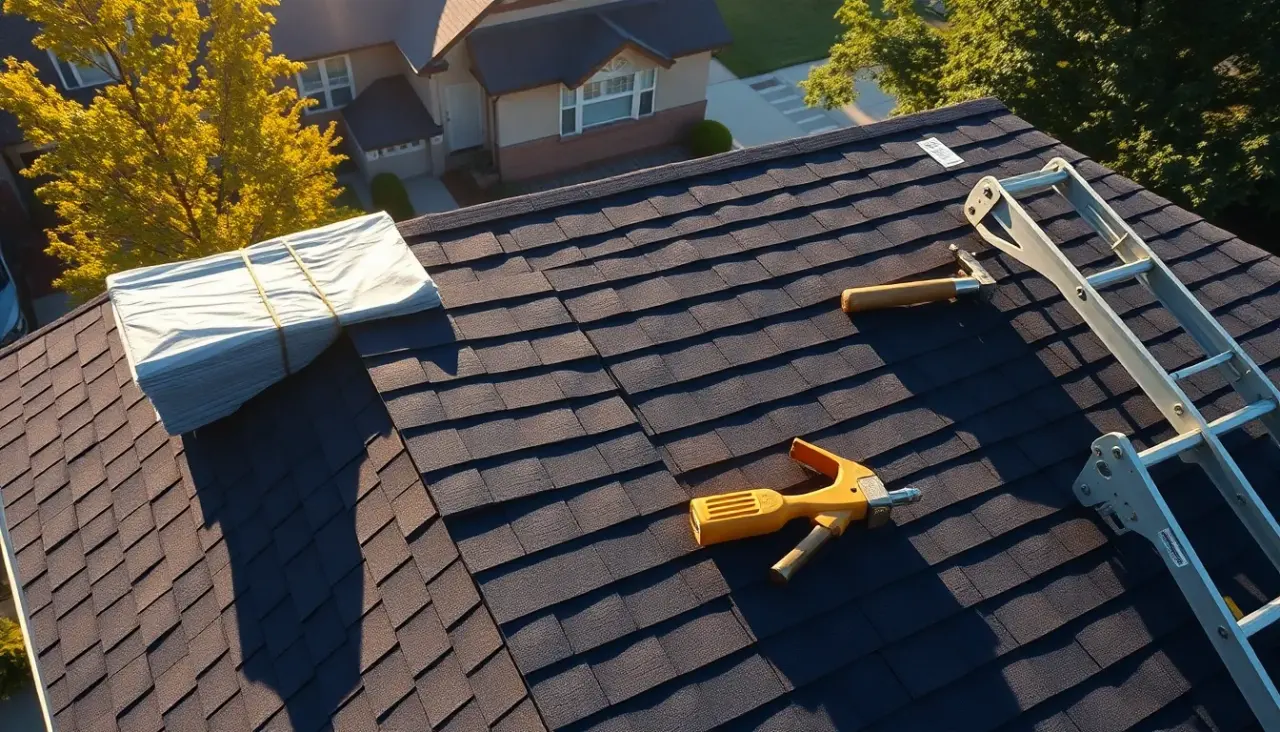
Shaded canyon-mouth valleys, north-facing dormers, and cathedral ceilings with limited rafter cavity depth sometimes still require active de-icing alongside leaf protection in tree-heavy Millcreek or Sandy neighborhoods. Never drape cheap hardware-store constant-wattage plastic heat wire across asphalt shingles or vinyl gutter screens—constant-wattage cords overheat at overlaps, bake granules brittle, and void shingle warranties. Instead, we specify commercial UL-listed self-regulating heat trace cable (such as Raychem Rim/FrostGuard or Heatizon at 5 to 8 watts/ft @ 32°F) paired with heavy .024 perforated black-anodized aluminum guards (3/16" punched holes) or dedicated heated extruded-aluminum gutter hood channels that conduct gentle warmth across the entry slot, down inside the gutter pan, and all the way through underground downspout elbows.
- 3/16" punched black-anodized aluminum admits slush melt far better than 50-micron micro-mesh
- UL-listed self-regulating cable adjusts wattage automatically and cannot burn out if overlapped
- Continuous melt path required: Eave zig-zag/panel + gutter bottom + full 3x4 downspout to daylight
Dedicated GFCI/EPD Electrical Circuits (NEC 426.28) & Utah Costs
Under National Electrical Code NEC Article 426.28 enforced across Salt Lake County municipalities, fixed outdoor roof and gutter de-icing equipment must be powered by dedicated 20-amp 120V or 240V circuits protected by 30mA Equipment Protection Devices (GFPE/EPD)—never plugged into overloaded holiday-light soffit outlets via extension cords. Furthermore, running heat cable strictly on a manual toggle switch wastes $80 to $180 per month in Rocky Mountain Power winter bills; we wire automatic moisture-plus-temperature snow controllers that energize cables ONLY when roof moisture is present between 18°F and 38°F. Perforated snow-compatible aluminum guards run $9 to $15/LF installed, while commercial self-regulating heat trace with NEC-compliant circuiting typically adds $14 to $24/LF on targeted problem eaves.
- NEC 426.28 compliance: Dedicated 30mA GFPE breaker prevents nuisance trips and shock hazards
- Dual moisture + temp sensors cut winter electricity draw by 65% vs. thermostat-only plugs
- Targeted installation on north valleys & shaded oak-tree eaves maximizes ROI ($14–$24/LF)
Utah Winter Performance of Gutter Guard Types & Heat-Tape Pairing
| Gutter Protection Type | Oak / Pine Debris Filtering | Utah Freeze-Thaw Icicle Risk | Heat Cable Compatibility & Cost |
|---|---|---|---|
| Plastic Snap-In / Foam Inserts | Poor (traps seeds & rots wet) | Severe (freezes into solid ice block) | Incompatible (fire/melt hazard) — Avoid |
| Reverse-Curve Solid Helmets | Good on large leaves | High (ramps snow sheets & icicles) | Poor unless custom heated nose ($28–$42/LF) |
| Fine Stainless Micro-Mesh | Excellent (blocks pine needles) | Moderate-High (frost bridges pores) | Requires top/bottom dual trace ($22–$34/LF) |
| Perforated .024 Black Aluminum | Very Good (sheds leaves cleanly) | Low when attic is air-sealed | High thermal transfer w/ 6W SR cable ($18–$28/LF) |
Grant Helmer's Utah Field Pro-Tip (DOPL #10146123-5501)
I have pulled miles of burned-out hardware-store heat tape off Holladay and Draper roofs where homeowners plugged 200 feet of constant-wattage cord into a Christmas light outlet, yet stopped the wire at the top of the downspout (Utah DOPL #10146123-5501). If the downspout elbow freezes solid at grade, even the best heated gutter overflows into icicles—always run self-regulating cable out the bottom kickout.
Frequently Asked Questions: Do Gutter Guards Cause Icicles Utah
Will installing heat tape over gutter guards void my roof shingle warranty?
Using non-regulated constant-wattage heat tape stapled through shingles voids manufacturer coverage immediately. Commercial UL-listed self-regulating heat cable attached with non-penetrating roof clips or integrated aluminum eave panels preserves shingle warranties when installed per manufacturer cold-climate bulletins.
Why do icicles still form on the bottom drip edge of gutter guards?
Even when 85% of meltwater drains properly into the gutter, small droplets clinging to the outer aluminum nose freeze when temperatures plunge at dusk. Fixing attic heat loss so snow stays unmelted during sub-freezing weather is the only way to eliminate drip-edge icicles completely.
Are black gutter guards better than white or silver for Utah snow?
Yes, on south-, east-, and west-facing eaves. Matte black or dark bronze anodized aluminum absorbs high-altitude Utah winter sunlight, warming the perforated surface several degrees above ambient air to break thin morning frost bridges faster.
Should I put gutter guards on my whole house or just under mature trees?
In Salt Lake County, selective installation often makes the smartest engineering sense: install perforated aluminum guards on eaves directly beneath cottonwoods, maples, or scrub oaks, while leaving high sun-exposed or clean desert-landscaped runs open with oversized 3x4 downspouts.
Related Utah Roofing, Bathroom & Remodeling Resources
Schedule Your Salt Lake County & Wasatch Front, UT Inspection or Design Quote
Direct owner consultation with Grant Helmer (Utah DOPL #10146123-5501) — zero high-pressure sales.