
Radon Testing & Concealed Sub-Slab Mitigation Before Finishing a Utah Basement

Because Wasatch Front soils contain uranium-rich decomposed granite and shale, roughly 1 in 3 Utah homes exceeds the EPA 4.0 pCi/L radon action level—the #1 cause of lung cancer among non-smokers. Testing before finishing costs $20–$150, and installing an active sub-slab depressurization system while studs are open costs $1,450–$2,200 with 100% hidden interior PVC chase routing—saving $1,000+ and avoiding ugly exterior pipes later. Call Urban Design & Remodel (Utah DOPL #10146123-5501, (801) 440-1952).
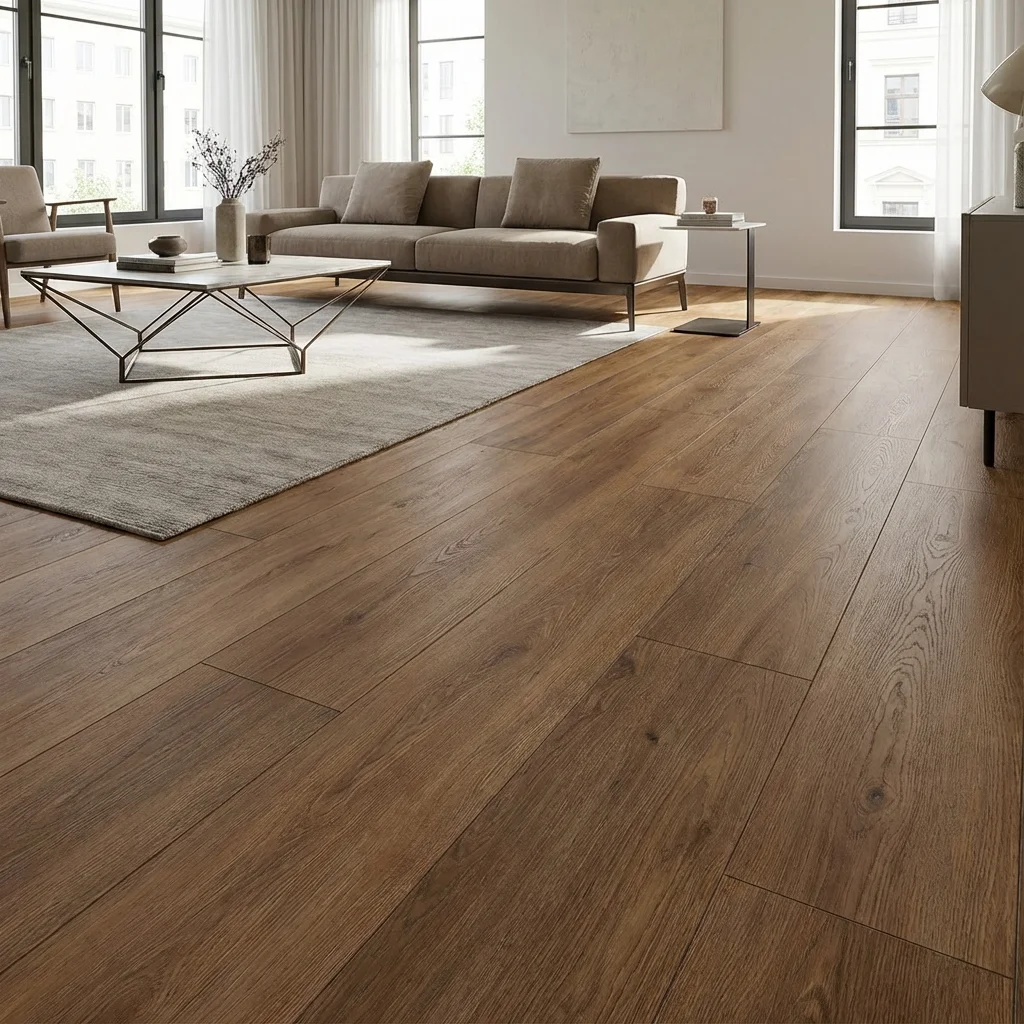
You cannot see it, smell it, or taste it—yet according to Utah Department of Environmental Quality (DEQ) geological surveys, one out of every three single-family homes across Salt Lake, Utah, Davis, and Summit Counties harbors indoor radioactive radon-222 gas concentrations exceeding the U.S. EPA's 4.0 picocuries per liter (pCi/L) mitigation threshold, with east-bench neighborhoods in Sandy, Draper, Cottonwood Heights, Holladay, Lehi, and Bountiful regularly spiking between 7.0 and 28.0 pCi/L. When kids move into new basement bedrooms or you spend eight hours daily in a basement home office, chronic exposure multiplies exponentially. Testing and roughing in concealed sub-slab mitigation BEFORE laying LVP and hanging drywall is effortless, silent, and invisible.
Why Wasatch Geology & Winter Stack Effect Concentrate Radon
Radon forms naturally deep underground as trace uranium-238 inside Wasatch quartz monzonite granite and ancient Bonneville lakebed sediments decays into radium and upward-migrating radon gas. During cold Utah winters (November through March), snow and frozen topsoil cap surrounding yards like a lid while your warm heated house creates a powerful upward thermal 'stack effect'—turning your 4-inch basement slab into a giant low-pressure vacuum straw pulling soil gas straight through concrete shrinkage cracks, sump pits, plumbing pipe blockouts, and slab-to-footing cold joints. Worse yet, finishing a tight energy-efficient basement with new egress windows and spray-foamed rim joists often raises indoor radon readings slightly if sub-slab gas isn't vented out first.
- EPA mandates action at >=4.0 pCi/L (equivalent to ~8 chest X-rays/day); WHO recommends mitigating between 2.7 and 4.0 pCi/L
- Neighboring houses 30 feet apart in Draper or South Jordan can read 1.4 pCi/L next door to 19.5 pCi/L due to gravel fissures
- Every Salt Lake real estate buyer inspection now includes a 48-hour continuous digital CRM radon test—mitigating upfront protects resale
Pre-Construction Testing & Passive Rough-In Pipe Checks
Before framing begins, conduct either a certified 48-to-96-hour short-term activated charcoal kit (available through Utahradon.org for ~$11) or deploy a continuous digital alpha-spectrometry monitor (Airthings View Plus or EcoQube, $140–$250) positioned 30 inches above the basement floor away from exterior drafts. Many newer Utah homes built after 2012 in Lehi, Herriman, and Daybreak already include a white 3-inch or 4-inch PVC 'Passive Radon Pipe' labeled inside the mechanical room running up through the roof! However, passive stack convection alone typically cuts radon by only 25%–40%; activating an existing passive stack simply requires splicing a whisper-quiet inline radon fan in the attic with a 15A switch and U-tube manometer inside the basement ($850–$1,350).
- Verify any builder 'passive radon pipe' actually extends into gravel beneath the slab—some lazy subs capped stubs above concrete!
- Keep continuous digital radon monitors plugged into finished basement rec rooms to track seasonal January vs July swings
- Seal open sump pump basins with gasketed polycarbonate viewing lids + silicone grommets to stop massive soil-gas leaks
Why Pre-Finish Interior Routing Beats Exterior Retrofits
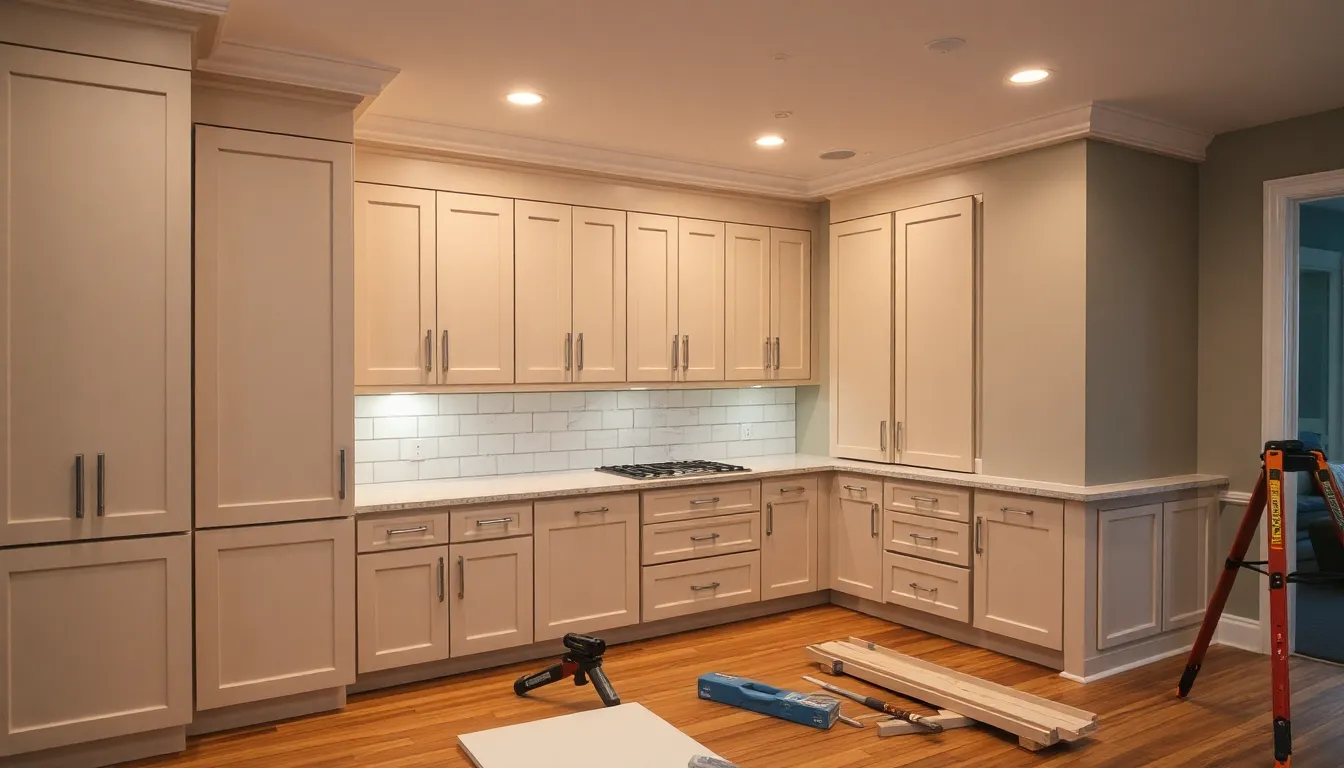
Wait until AFTER your $75,000 basement remodel is finished to discover 9.2 pCi/L radon during a future home sale, and mitigation retrofitters usually have only one affordable path: core-drilling horizontally out your foundation rim joist and bolting a bulbous white RadonAway fan plus 30 feet of 4-inch PVC pipe straight up the side of your brick or stucco house—often violating strict HOA architectural aesthetics in Daybreak, SunCrest, or Traverse Mountain. When we coordinate certified NRPP radon mitigation during basement rough-in BEFORE drywall and flooring, technicians core a 5-inch suction pit inside a hidden mechanical closet, excavate a 10-gallon sub-slab pressure-field pocket, seal concrete control joints with polyurethane Sikaflex, and route 3-inch/4-inch Schedule 40 PVC completely invisible up an interior wall chase through the attic roof!
- Attic-mounted RadonAway RP145 or AMG Maverick EC fans keep 100% of fan hum out of basement bedrooms and outdoor patios
- Interior vertical PVC stack stays warm in 10°F January freezes, preventing ice-plug condensation buildup common in outdoor pipes
- Pre-finish slab crack sealing + 6-mil poly beneath LVP boosts sub-slab vacuum communication across 1,500+ sq ft slabs
Post-Mitigation Verification, Manometers & Operating Costs
Active Sub-Slab Depressurization (ASD) works by maintaining a tiny continuous negative vacuum (-0.3 to -1.2 inches of water column) beneath your concrete slab 24/7/365, reversing pressure physics so soil gas vents harmlessly 12 inches above your roofline instead of entering basement bedrooms. Every compliant Utah installation mounts a liquid U-tube manometer pressure gauge plus an audible low-pressure alarm at eye level inside your mechanical room so a quick glance confirms active suction, followed by a mandatory 48-hour post-mitigation clearance test initiated 24 hours after system startup. Modern EC-motor radon fans consume just 18 to 55 watts continuously—adding less than $4.50 per month on Rocky Mountain Power rates while consistently dropping 12+ pCi/L Utah basements down below 0.8–1.5 pCi/L.
- Post-mitigation clearance guarantees <2.0–3.9 pCi/L (most Salt Lake installs drop below 1.2 pCi/L within 48 hours)
- Schedule 40 PVC horizontal runs pitch 1/8" per foot back toward the slab pit so harmless condensation drains silently underground
- Fan bearings carry 5-year manufacturer warranties and typically run 9–14 years before a 20-minute coupler swap
Utah Basement Radon Testing & Mitigation: Pre-Finish vs. Post-Finish Comparison
| Radon Mitigation Scenario | Pipe & Fan Routing Aesthetics | Typical Salt Lake Cost | Radon Reduction Performance |
|---|---|---|---|
| Activate Existing Builder Passive Pipe | 100% Hidden interior PVC + attic fan | $850 – $1,350 | Drops levels 80%–92% (<1.5 pCi/L avg) |
| New Pre-Finish Interior Chase ASD | 100% Hidden inside open stud walls/attic | $1,450 – $2,200 | Drops levels 85%–96% + full slab crack seal |
| Post-Finish Exterior Side-Wall Retrofit | Exposed 4" pipe & fan on house siding | $1,650 – $2,500 | Effective, but eyesore & HOA headaches |
| Post-Finish Interior Concealed Retrofit | Drywall/closet cuts, patch & repaint upstairs | $2,600 – $3,900+ | Effective, but adds $1,200+ in finish repairs |
Grant Helmer's Utah Field Pro-Tip (DOPL #10146123-5501)
On every basement remodel we build along the Wasatch Front (Utah DOPL #10146123-5501), we place a continuous digital radon monitor down there during design week—even if you tested five years ago. Catching a 6.8 pCi/L reading while studs are open lets us hide the PVC riser inside your furnace room and seal every slab crack before LVP goes down.
Frequently Asked Questions: Radon Levels Utah Test Before Finishing Basement
If my neighbor's basement tested low for radon, do I still need to test mine?
Yes—radon follows localized underground gravel veins, fault fractures, and individual foundation shrinkage cracks. We regularly see two identical Sandy or Draper homes built the same year by the same builder measure 1.3 pCi/L on one lot and 14.2 pCi/L directly next door.
Does sealing concrete cracks and laying 6-mil vapor barrier stop radon without a fan?
No. While caulking slab control joints and laying taped 6-mil poly under LVP helps improve sub-slab suction efficiency, tiny pressure-driven radon atoms still slip around perimeter sill gaps and plumbing penetrations unless an active depressurization fan relieves pressure beneath the concrete.
Will a sub-slab radon fan suck expensive heated indoor air out of my basement?
Once concrete cracks and sump lids are properly sealed with polyurethane sealant, an active radon fan draws over 95% of its tiny 25–45 CFM airflow strictly from porous gravel soil underneath the slab—creating virtually zero measurable heating or cooling energy penalty.
Which Salt Lake County zip codes have the highest radon risk?
While high readings occur valley-wide (EPA classifies Salt Lake, Utah, Davis, Weber, and Summit Counties in elevated Radon Zones 1 and 2), granite bench corridors through Sandy (84092/84093), Draper (84020), Cottonwood Heights (84121), Holladay (84117/84124), and Millcreek show some of Utah's highest averages.
Related Utah Roofing, Bathroom & Remodeling Resources
Schedule Your Salt Lake County & Wasatch Front, UT Inspection or Design Quote
Direct owner consultation with Grant Helmer (Utah DOPL #10146123-5501) — zero high-pressure sales.