
Residential Steam Shower Guide: Vapor Proofing, Sloped Ceilings & Sizing

A true residential steam shower in Salt Lake County costs $26,000 to $42,000 complete—adding $7,500–$12,500 over a standard tiled walk-in shower. Per TCNA SR613/SR614 steam standards, standard liquid waterproofing fails against pressurized vapor; steam enclosures require a <=0.5 perm vapor retarder (Schluter-KERDI-DS), a 2"-per-foot sloped ceiling, transom-sealed 1/2" glass, and a dedicated 240V steam generator. Call Urban Design & Remodel (Utah DOPL #10146123-5501) at (801) 440-1952.
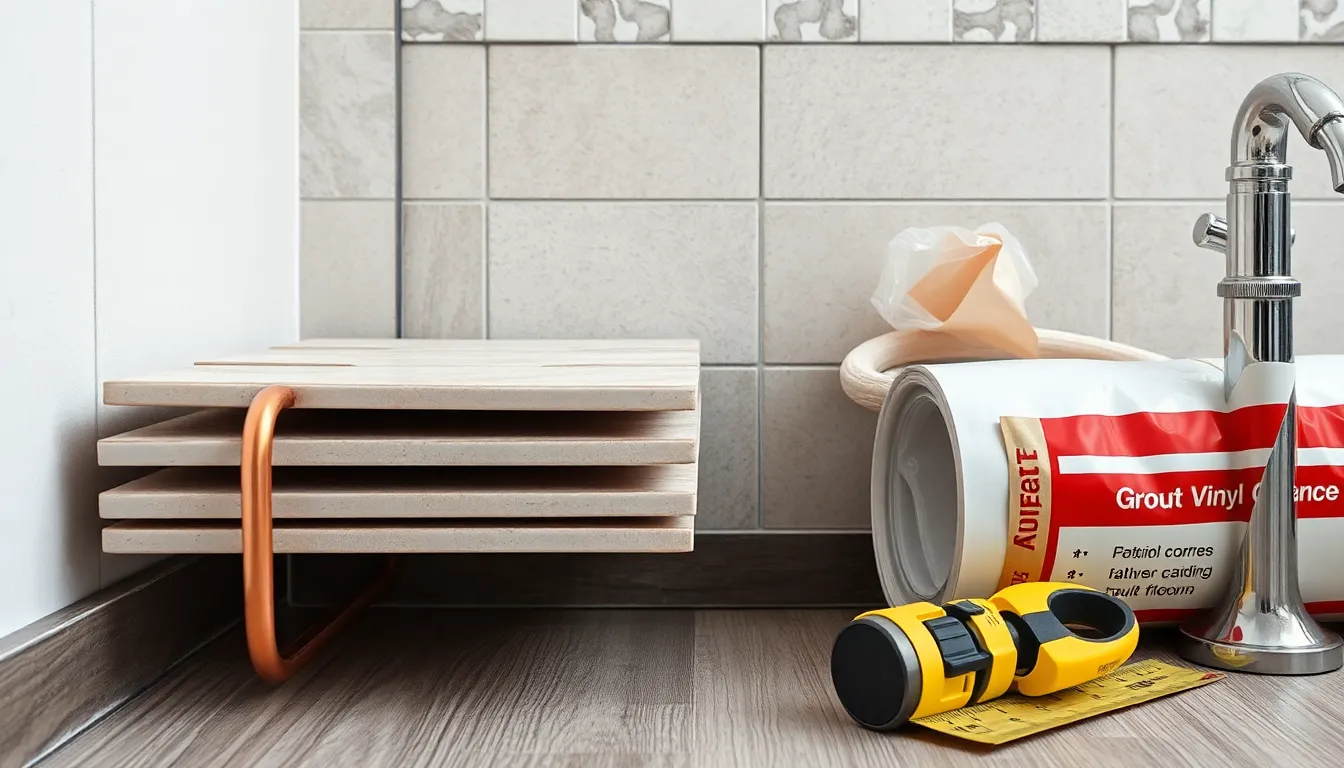
After a freezing day skiing Alta or Snowbird—or battling dry winter sinus irritation at 4,500 feet elevation—stepping into a private 115°F eucalyptus steam shower in your own home feels unmatched. Yet residential steam rooms represent the single highest-failure assembly in residential remodeling when built by contractors who treat steam like liquid shower water. Pressurized water vapor molecules are exponentially smaller than liquid droplets; driven by massive vapor-pressure differentials between a 118°F steam enclosure and a 68°F bedroom stud bay, steam punches straight through standard cement board and ordinary liquid membranes, rotting wood framing within eighteen months unless built to strict TCNA SR614 vapor-retarder specifications.
Liquid Waterproofing vs. TCNA SR614 Vapor Proofing (<0.5 Perms)
Standard ANSI A118.10 shower membranes—including single-coat roll-on elastomeric liquids and regular 8-mil KERDI (0.90 perms)—stop liquid water droplets, but they allow microscopic pressurized steam vapor to diffuse into cooler wall cavities. Under Tile Council of North America (TCNA) Method SR614 for continuous-use residential steam rooms, the entire enclosure—floors, walls, niches, benches, and ceiling—must be sealed with a continuous bonded vapor retarder tested below 0.5 perms under ASTM E96 Procedure E (at 100°F and 90% RH). We install 20-mil Schluter-KERDI-DS (0.18 perms) or Laticrete Hydro Ban XP/Vapor Ban, insulate all framing cavities—even interior partition walls—with unfaced R-13 mineral wool to stop dew-point condensation inside studs, and seal every pipe penetration with elastomeric collars.
- Schluter-KERDI-DS delivers a 0.18-perm rating—5x tighter than standard shower KERDI
- Insulating interior stud walls stops 115°F tile heat from condensing inside cold drywall cavities
- Never penetrate steam walls with non-gasketed recessed niches or pocket door frames
2-Inch-Per-Foot Sloped Ceilings & Full-Height Sealed Glass Transoms
If you tile a steam shower ceiling dead-level, rising steam condenses against the overhead porcelain and rains startlingly hot 112°F droplets onto your head and shoulders every ten seconds. Worse, ceiling heights exceeding 8 feet waste massive generator wattage because steam pools near the ceiling while your seated torso stays lukewarm. We frame drop ceilings inside steam enclosures down to a cozy 7-foot-6-inch to 8-foot maximum height, pitched strictly at 2 inches per foot (a 10-inch drop across a 5-foot span) toward a side wall—never sloping directly over the bench—so condensate glides harmlessly down wall tile. Glass enclosures use 3/8" or 1/2" tempered glass sealed floor-to-ceiling with bulb gaskets and a pivoting transom vent to release steam afterward.
- Minimum 2"-per-foot ceiling pitch prevents hot overhead condensation drips onto bathers
- Cap steam ceiling height at 7.5 to 8 feet for rapid heat-up and lower kW generator draw
- Pivoting glass transoms vent steam toward an *outside* ceiling exhaust fan post-session
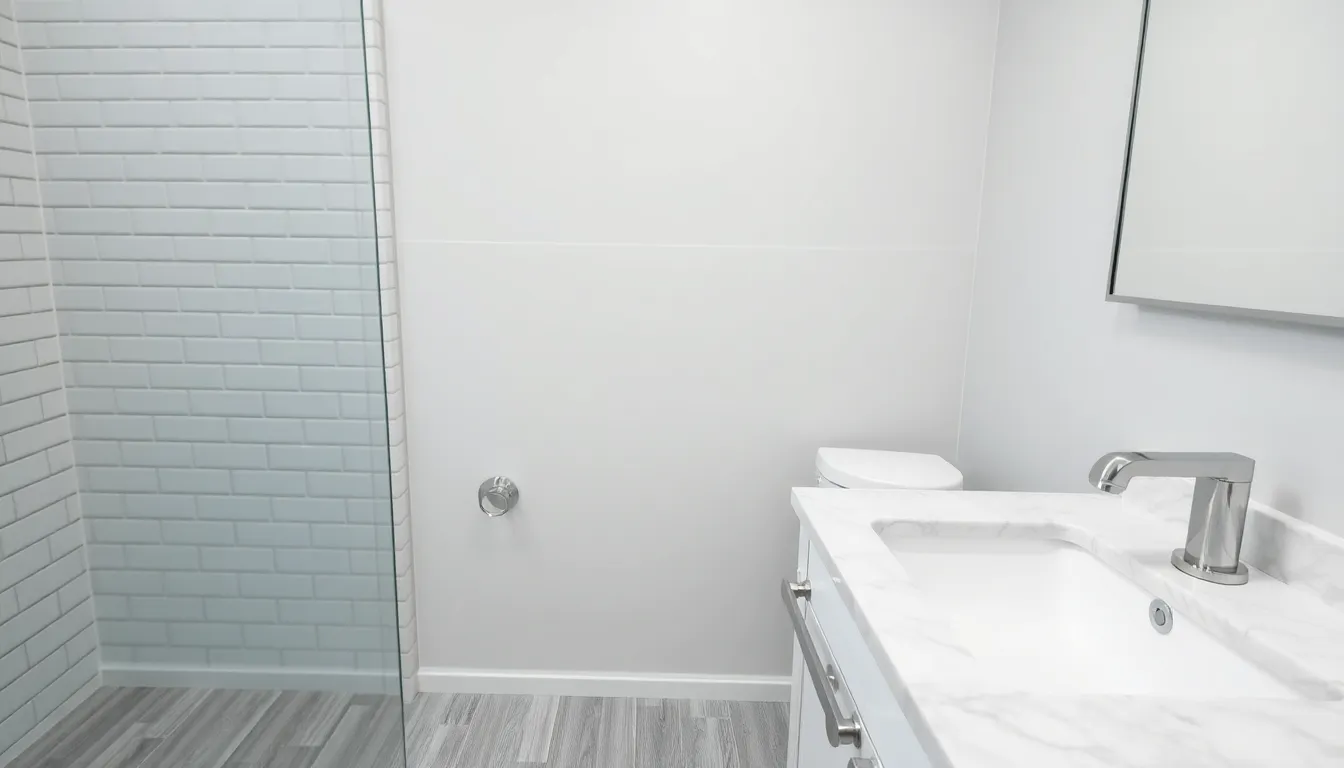
Sizing 240V Steam Generators: Volume, Stone Multiplier & Hard Water
Steam generators from Mr.Steam, Thermasol, and Kohler cannot be sized solely by floor area. You start with raw cubic footage (Length x Width x Height), then apply material heat-sink multipliers: add 10%–15% for ceramic or porcelain tile, add 100% (double the cubic volume!) if using dense natural marble, travertine, or granite slabs that absorb massive thermal energy, and add 20% for each uninsulated exterior wall. A 5x6x8-foot porcelain steam shower (240 raw cu ft -> ~290 adjusted cu ft) typically requires a 9 kW to 10 kW 240-volt generator wired on a dedicated 50-amp or 60-amp breaker. Because Utah's 16+ GPG hard water rapidly scales boiling elements, feeding soft water plus an automatic AutoFlush purge valve is mandatory.
- Natural marble/stone requires 2.0x cubic-footage generator upsizing vs 1.15x for porcelain
- Locate generators within 25–50 insulated copper pipe feet inside a heated closet or vanity
- Install a brass gravity drain pan + AutoFlush line piped to an indirect code receptor drain
Steam Head Safety Placement, Lighting & Grout Expansion Rules
Live steam exits the dispersion head at 212°F before mixing with enclosure air. Mounting the steam head below a shower valve or next to the bench causes severe ankle scalds. We rough in insulated 1/2-inch rigid copper steam supply lines terminating 6 to 12 inches above the finished floor on the wall *opposite* the seating bench, outfitted with a cool-touch silicone aromatherapy shield. Overhead lighting must carry an IP65/UL Vapor-Tight Enclosed gasketed rating (standard wet-rated recessed cans leak steam straight into your attic!). Finally, because steam thermal-cycles tile from 68°F to 120°F in minutes, TCNA EJ171 requires flexible 100% silicone in every plane change and prohibits uncertified premixed acrylic grouts.
- Mount insulated steam heads 6"–12" off floor on the wall farthest from bather feet
- Use only UL Vapor-Tight gasketed LED luminaires—never standard IC-rated ceiling cans
- Never locate an exhaust fan *inside* the steam stall; mount it immediately outside the door
Utah Residential Steam Shower Sizing & Cost Guide
| Enclosure Raw Size (LxWxH) | Porcelain kW / Breaker Spec | Natural Stone kW / Breaker | Complete Turnkey Cost Range |
|---|---|---|---|
| Compact 4' x 5' x 8' (160 cu ft) | 7.5 kW (240V / 40A–50A) | 10 – 12 kW (240V / 60A) | $24,500 – $31,000 |
| Standard 5' x 6' x 8' (240 cu ft) | 9.0 – 10 kW (240V / 50A–60A) | 15 kW dual-element (240V / 70A+) | $28,500 – $37,500 |
| Two-Person 5' x 8' x 8' (320 cu ft) | 12 kW (240V / 60A) | 20 kW tandem system | $34,000 – $44,500 |
| Retrofit Adding Steam to Existing Tile | Full gut required (no vapor barrier) | Full gut required | Cannot retrofit safely over standard tile |
Grant Helmer's Utah Field Pro-Tip (DOPL #10146123-5501)
Never place a steam generator inside an unheated Utah attic or freezing garage wall (DOPL #10146123-5501)! Standing water inside the generator tank and AutoFlush solenoid will freeze solid and split the stainless vessel during a 10°F January cold snap. We build a louvered service access panel inside an adjacent walk-in closet, linen tower bottom, or heated basement ceiling within 30 feet of the steam head.
Frequently Asked Questions: Residential Steam Shower Installation Cost Utah
Can I convert my existing tiled walk-in shower into a steam shower just by adding glass to the ceiling?
No. Standard showers lack a <=0.5 perm vapor retarder behind the tile, lack wall cavity insulation, have flat drywall ceilings that rot and drip scalding water, and use non-vapor-tight ceiling lights. Pressurized steam will cause hidden black mold and structural dry rot within a year.
How much water does a home steam shower actually use compared to a bathtub?
Surprisingly little! A 20-minute residential steam session consumes only 1.5 to 2.2 gallons of water—less than running a standard 2.5 GPM showerhead for sixty seconds, and roughly 97% less water than filling a 70-gallon soaking tub.
Do I need a water softener for a Mr.Steam or Thermasol generator in Salt Lake City?
Yes. Boiling 15–20 GPG Salt Lake hard water precipitates rock-hard calcium scale onto heating coils within months. Feeding softened water (<2 GPG) paired with an automatic post-session tank flush unit extends heating element life past 10+ years.
Should I choose porcelain tile or real marble for a steam shower?
Rectified porcelain tile is far superior for steam rooms. Real marble absorbs twice as much heat—forcing you to buy a much larger 240V generator and wait twice as long for steam—and steam accelerates mineral oxidation and etching in natural stone.
Related Utah Roofing, Bathroom & Remodeling Resources
Schedule Your Salt Lake County & Wasatch Front, UT Inspection or Design Quote
Direct owner consultation with Grant Helmer (Utah DOPL #10146123-5501) — zero high-pressure sales.