
Staircase Remodeling in Utah: Flush LVP or White Oak Treads & Iron Balusters

Replacing stair carpet with custom flush LVP treads costs $2,800 to $4,900 per flight in Utah, while solid 1-inch white oak treads with painted risers and satin-black iron balusters run $5,200 to $9,600 installed. Urban Design & Remodel (Utah DOPL #10146123-5501, (801) 440-1952) rebuilds staircases across Salt Lake County to strict IRC R311.7.5 riser-variance tolerances without trip-hazard overlapping bullnoses.
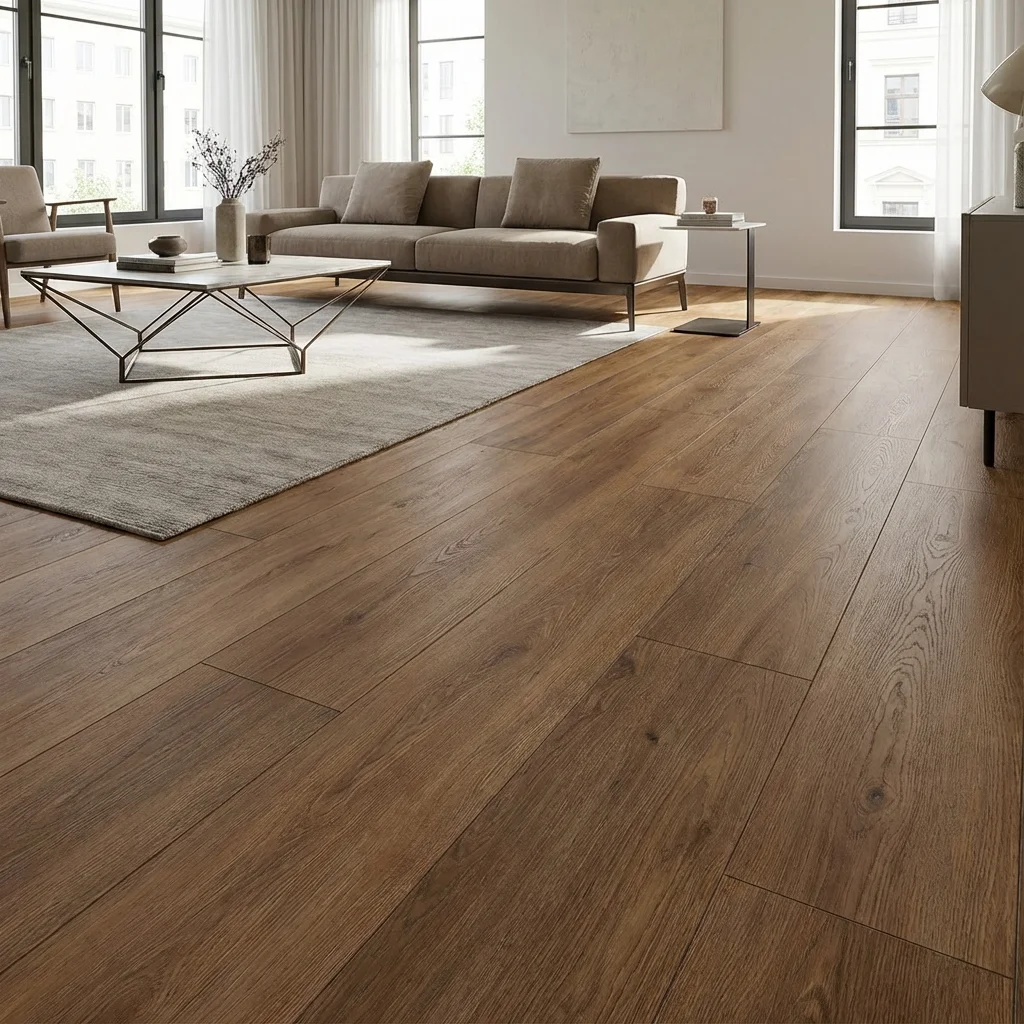
Tearing worn builder-grade plush carpet off a central staircase immediately elevates a two-story Salt Lake County foyer or rambler basement stairwell, yet stairs are the most unforgiving structural assembly in residential flooring. Across West Jordan, Draper, and Sandy homes built in the 1990s and 2000s, rough framing crews built OSB and 2x10 pine stair carriages assuming thick carpet padding would disguise sloppy cuts, uneven overhang nosings, and wide gaps against skirtboards. When converting to rigid luxury vinyl plank or solid European white oak treads, our finish carpenters re-engineer riser symmetry, eliminate raised overlapping bullnose lips, anchor modern box newel posts, and epoxy satin-black iron balusters that handle arid Wasatch winter wood movement.
Flush Rabbeted Stair Nosings vs Overlapping Bullnose Trip Lips
The biggest mistake in DIY and big-box LVP stair retrofits is snapping standard overlapping vinyl bullnose moldings onto the front edge of each step. Overlapping bullnoses create a raised 3/16-inch to 5/16-inch ridge right where a heel lands during descent, creating a severe catch hazard and cracking along the hollow nose within two years of heavy family traffic. Instead, we fabricate heat-bent one-piece flush stair treads from your exact main-floor SPC or WPC plank, or mill solid 1-1/16-inch rift-and-quartered white oak treads stained and finished in matte two-component commercial polyurethane to match adjacent flooring. Every tread locks dead-flat from riser face to leading edge using full-spread elastomeric urethane construction adhesive and hidden mechanical cleats.
- Heat-formed or miter-folded flush LVP treads eliminate raised 5/16-inch overlapping vinyl trip ridges
- Solid 1-1/16-inch white oak treads accept custom Bona Traffic HD matte finishes matched to main-level planks
- Full-trowel elastomeric urethane adhesive plus hidden mechanical fasteners stop winter dry-air tread creaks
Utah IRC R311.7.5 Riser Height Symmetry When Stripping Carpet
Utah residential building code IRC R311.7.5.1 caps maximum stair riser height at 7-3/4 inches and restricts the variation between the tallest and shortest riser in an entire flight to 3/8 inch maximum. When you strip 3/4-inch carpet and pad off rough stairs while adding 8mm LVP on the lower landing and 1-inch oak treads on the steps, the bottom and top risers instantly fall out of code compliance unless shimmed systematically. Before cutting a single finished riser, our carpenters shoot a green-beam laser across all 13 to 15 rough treads, calculate net finished floor elevations at both landings, and plane high stringers or plywood-shim low carriages so every step rises evenly.
- Maximum 3/8-inch riser height differential permitted across an entire flight under Utah IRC R311.7.5.1
- Minimum 10-inch net tread depth measured horizontally from nosing projection to nosing projection
- Rough 2x10 pine nose overhangs are flush-cut with track saws prior to installing squared modern treads
Crisp Painted White Risers, Skirtboards, and Tight Scribe Carpentry
Open-ended and closed-stringer staircases in older Salt Lake Valley homes rarely have parallel drywall walls; framing bows of 1/4 inch to 1/2 inch over a 12-foot run are routine. Rather than relying on thick beads of painter's caulk that shrink and split during 15% indoor humidity January cold snaps, we set a precision metal stair-tread jig with micro-adjusting pivoting arms onto every step to transfer the exact angle of both skirtboards onto each white oak or LVP tread and primed poplar riser. Risers receive two sprayed coats of scuff-resistant cabinet-grade acrylic-alkyd enamel in crisp gallery white, creating sharp architectural contrast against warm natural wood tones and hiding rubber sneaker heel marks.
- 3/4-inch primed poplar or high-density MDF risers sprayed in scuff-proof urethane-alkyd semi-gloss enamel
- Precision stair-jig scribing achieves tight 1/32-inch tread-to-skirtboard joints without wide caulk gaps
- Retrofitting 1x12 primed routed skirtboards cleanly hides bruised drywall edges left by old carpet tack strips
Structural Box Newel Posts and Satin-Black Forged Iron Balusters
Swapping dated honey-oak turned spindles and rounded colonial newels for clean 5.5-inch square Craftsman newel posts and 1/2-inch square satin-black powder-coated iron balusters modernizes the entire two-story entry volume. Under Utah IRC R312.1, stair guardrails must resist a concentrated 200-pound lateral point load at the top rail and block passage of a 4-inch sphere between balusters and bottom rail triangles. We bolt heavy-gauge structural newel mounting plates and 3/8-inch lag screws directly into double-blocked floor framing below the subfloor—never trusting toe-nails alone—and set solid or heavy-wall hollow iron balusters into pre-drilled tread mortises and plowed white oak handrail channels using two-part non-sag structural epoxy so spindles never rattle.
- IRC R312.1.3 strict <4-inch clear spacing between 1/2-inch satin-black iron balusters and triangular tread openings
- 200-pound concentrated lateral point-load anchorage engineered into subfloor rim joists for zero post wobble
- Single-basket, plain bar, and double-knuckle iron baluster patterns paired with stained white oak handrails
Utah Staircase Remodel Cost & Material Comparison (14-Step Standard Flight)
| Stair Upgrade Scope | Tread & Railing Spec | Installed Utah Cost | Expected Lifespan & Code Note |
|---|---|---|---|
| Flush LVP Treads + Existing Rail | Heat-bent SPC/WPC flush treads + painted white poplar risers | $2,800 – $4,900 | 20–25 yrs; zero raised overlap lip, IRC 3/8" riser check |
| Solid White Oak Treads + Risers | 1-1/16" white oak treads, Bona Traffic HD matte + white risers | $4,400 – $6,800 | 50+ yrs refinishable; urethane glue + screw stringer lock |
| Oak Treads + Iron Baluster Retrofit | White oak treads, square box newels, 1/2" black iron balusters | $6,500 – $9,800 | 50+ yrs; meets 200-lb guard load & <4" sphere spacing |
| Open-Stringer Modern Rebuild | Re-framed open ends, mitered return nosings, custom oak rail | $9,900 – $15,500 | Lifetime architectural centerpiece; full municipal permit |
Grant Helmer's Utah Field Pro-Tip (DOPL #10146123-5501)
As a Utah B100 contractor (DOPL #10146123-5501), I refuse to install snap-in vinyl bullnose strips on family stairs. Always order matching planks early so we can custom-fabricate one-piece heat-bent flush treads—or step up to stained white oak treads that complement your LVP seamlessly and never crack under heavy foot traffic.
Frequently Asked Questions: Replace Carpet On Stairs With Hardwood Or Lvp Cost Utah
Is solid white oak or LVP better for stairs when my main floor has LVP?
Both work well when built flush, though custom-stained 1-inch solid white oak treads offer superior structural stiffness, zero hollow sound, and effortless edge repair compared to folded vinyl. Many Salt Lake County homeowners pair main-level matte oak-look LVP with real stained white oak stair treads and handrails for maximum durability.
Are hardwood or LVP stairs too slippery for kids and dogs in socks?
High-gloss factory urethane finishes can feel slick in wool socks, which is why we specify low-sheen matte Bona Traffic HD anti-slip commercial finishes (meeting ANSI slip standards) or textured embossed-in-register LVP treads. Adding a custom bound wool runner down the center is another stylish option that leaves oak margins visible.
Do I need a building permit to replace stair carpet and railings in Salt Lake County?
Replacing finish flooring and swapping balusters in-kind generally does not require a structural permit, provided existing guard heights (minimum 34 to 36 inches) and <4-inch baluster spacing remain compliant. However, reframing stair stringers, altering headroom, or converting closed drywall half-walls into open guardrails requires municipal permitting and inspection.
How long does a full staircase tread and iron baluster remodel take?
A single 14-step closed-stringer tread and painted riser installation typically takes 2 to 3 workdays, keeping your upstairs accessible each evening. Full guardrail conversions with structural newel post anchoring, custom stained white oak handrails, and epoxied iron balusters take 4 to 6 days including finish cure times.
Related Utah Roofing, Bathroom & Remodeling Resources
Schedule Your Salt Lake County & Wasatch Front, UT Inspection or Design Quote
Direct owner consultation with Grant Helmer (Utah DOPL #10146123-5501) — zero high-pressure sales.