
Thermal Shock and Expansion Joints on Large Residential Roofs in Utah

Thermal shock cracking occurs when Utah's high-altitude sun heats dark roofs to 165°F followed by rapid 50°F–70°F drops during afternoon cloudbursts or cool mountain nights. On continuous roof planes longer than 100–125 feet or over un-gapped OSB sheathing, rigid oxidized shingles Tear vertically along tensile stress lines. Urban Design & Remodel (Utah DOPL #10146123-5501, (801) 440-1952) prevents thermal splitting using elastomeric SBS polymer-modified shingles and deck expansion detailing.
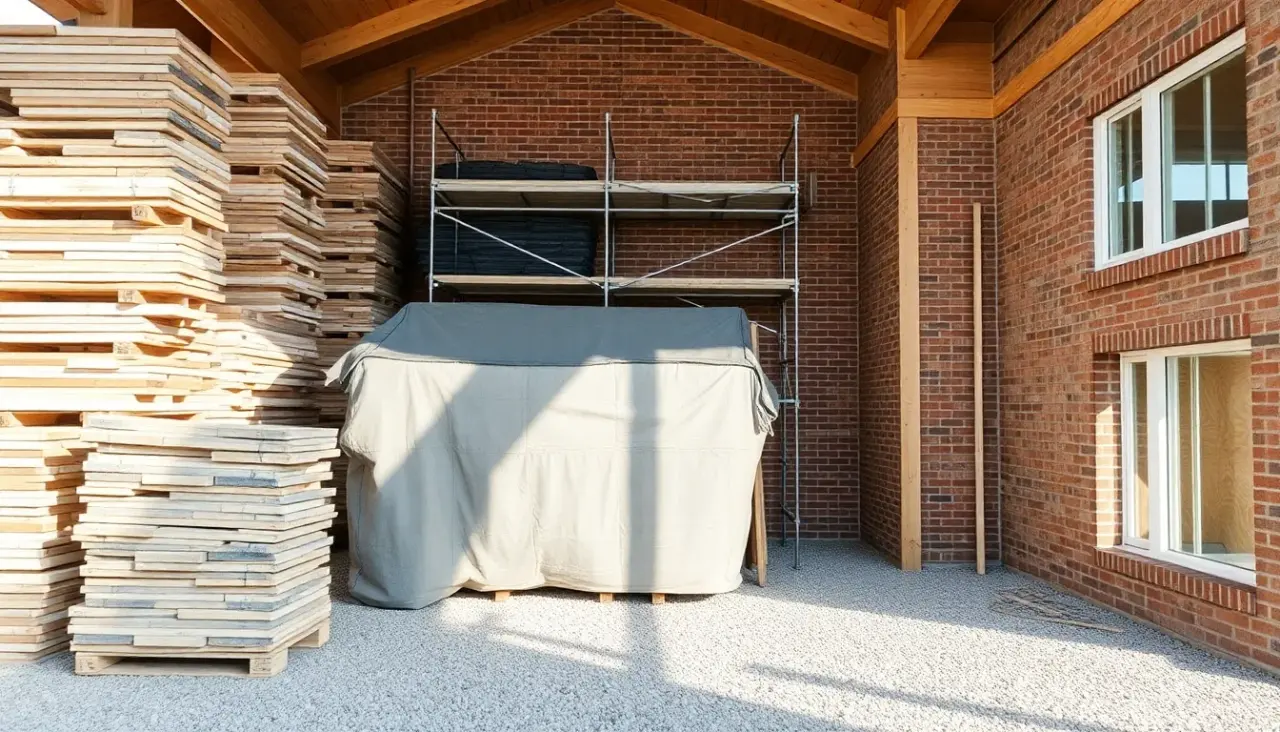
Custom ranch estates, sprawling multi-wing ramblers, and 4-car-garage luxury homes in Draper, Alpine, Highland, South Jordan, and Holladay routinely feature unbroken roof ridges stretching 90 to 160 linear feet. Unlike humid coastal regions where nighttime temperatures dip only 12°F, Utah's arid 4,500-to-5,500-foot high-desert atmosphere produces brutal diurnal and storm-driven thermal shock: black shingles baking at 165°F at 3:00 PM get hit by 48°F thunderstorm hail-rain at 3:20 PM—plunging surface temperature over 100 degrees in twenty minutes! Without elastomeric bitumen chemistry and proper substrate expansion spacing, tensile contraction rips standard fiberglass shingles straight in half.
Physics of Diurnal Thermal Shock & Tensile Mat Splitting
Standard architectural shingles bind a woven fiberglass reinforcing mat inside air-blown 'oxidized' asphalt. While oxidized bitumen resists high-temperature flow well when new, UV exposure and summer heat volatilize light oils within 8 to 12 years, turning the asphalt stiff at cool temperatures while wood OSB sheathing underneath expands and contracts along a completely different coefficient of thermal and moisture expansion! When an unbroken 110-foot roof plane cools 65°F overnight between July afternoons and crisp mountain mornings—or drops 100°F instantly under cold summer rain—accumulated horizontal tensile strain concentrates at shingle keyways or butt-joint offsets, snapping the fiberglass mat in jagged stair-stepped or vertical tears straight through water-shedding courses.
- Wasatch Front dark shingle surfaces swing up to 115°F within 24 hours (165°F peak afternoon to 50°F dawn)
- Thermal splits tear cleanly through both ceramic granules and fiberglass mat, unlike surface-only craze cracks
- Legacy 3-tab and heavy multi-laminate oxidized designer shingles on wide expanses suffer highest split rates
OSB Panel Edge Gapping & Structural Roof Expansion Joints
Thermal shingle tearing frequently begins 1/2 inch lower in the assembly: tight-butted wood sheathing or rigid building wing intersections. When framers jam 4x8 OSB sheets tight together during dry August framing without the APA-mandated 1/8-inch perimeter gap, winter attic humidity expands panels outward while summer dry heat shrinks them back—pulling nails glued to sealed shingle courses apart by 1/8 inch at every vertical panel joint! Furthermore, on custom homes exceeding 125–150 feet in continuous horizontal roof length—or L- and T-shaped additions tying new timber framing onto settled existing trusses—architectural sheet-metal or bellows roof expansion joints covered with flexible EPDM/Kynar Curb caps decouple structural movement so shingles never bridge a shear plane.
- Rip a 1/8-inch circular-saw kerf relief between any tight-butted buckled OSB joints exposed during tear-off
- Continuous residential roof runs >130–150 ft or major wing additions benefit from raised Curb or Bellows expansion joints
- Never bridge a structural building control joint directly with continuous rigid asphalt courses

SBS Polymer-Modified Bitumen: Putting Synthetic Rubber Into Shingles
The single greatest material breakthrough against Utah thermal shock is Styrene-Butadiene-Styrene (SBS) polymer-modified asphalt—featured in lines like Malarkey Legacy/Vista, Owens Corning Duration Flex, and CertainTeed NorthGate ClimateFlex. Blending virgin synthetic rubber elastomers directly into molten asphalt lowers the shingle's brittle cold-cracking point below 0°F while allowing up to 15%–25% elastic elongation recovery instead of rigid fracture! When sudden hail-rain chills a 160°F roof deck in Draper or Park City, SBS rubberized shingles stretch microscopically across thermal contraction cycles and rebound flat without tearing fiberglass mats, cracking around nail shanks, or dropping ceramic granules.
- SBS rubberized shingles remain pliable for installation and wind-flex down to 35°F–40°F vs. 50°F+ for oxidized shingles
- Elastic elongation absorbs deck movement and thermal contraction while achieving UL 2218 Class 4 hail ratings
- SBS upgrade adds just 8%–14% ($1,400–$2,600 on an average Utah home) over standard oxidized architectural shingles
High-Reflectance Cool-Roof Granules & Balanced Under-Deck Cooling
Cutting peak surface temperature from 168°F down to 135°F shrinks the thermal delta by over 30 degrees—slashing expansion strain in half. Two complementary engineering levers accomplish this without forcing homeowners into bright white roofs: first, modern solar-reflective ceramic granules (such as Owens Corning Duration Cool or Malarkey Smog-Reducing/Solar-Reflective blends in rich grays, browns, and charcoals) reflect near-infrared solar wavelengths invisible to the human eye, lowering shingle temperatures by 12°F to 18°F. Second, maintaining 1:150 continuous soffit-to-ridge attic airflow combined with LP TechShield radiant-barrier decking prevents heat buildup from stalling beneath the OSB substrate.
- Infrared-reflective dark granules cut peak July shingle temperatures by 12°F–18°F without pale washed-out colors
- Balanced 50/50 intake-exhaust airflow flushes convective heat out of sprawling multi-hip custom attics
- Avoid spray-foaming directly under standard oxidized dark shingles unless shingle brand explicitly warrants unvented decks
Utah Roof Thermal Shock Resistance: Shingle & Deck Comparison
| Roofing Assembly Spec | Thermal Strain Tolerance | Cold-Weather Pliability | Relative Utah Installed Cost |
|---|---|---|---|
| Legacy 3-Tab Oxidized Shingle | Poor (High vertical split risk >Yr 8) | Brittle <50°F | Obsolete ($4.50–$5.25/sq ft) |
| Standard Oxidized Architectural | Good up to 100 ft spans (Gapped OSB) | Stiffens <45°F | Baseline ($5.25–$6.75/sq ft) |
| SBS Rubber-Modified Class 4 (Flex/Vista) | Excellent on 120+ ft custom estates | Flexible down to ~32°F–35°F | +8%–14% ($6.00–$7.60/sq ft) |
| Bellows Metal Expansion Joint Detail | 100% Decouples >140 ft / Wing Additions | All-Temp Elastomeric / Kynar | $28–$45 / linear ft at joint |
Grant Helmer's Utah Field Pro-Tip (DOPL #10146123-5501)
On large custom ramblers in Draper, Alpine, or Holladay with long south-facing valleys and ridges over 100 feet wide, I always steer clients away from ultra-thick, stiff oxidized 'slate-look' asphalt shingles unless they are SBS-modified. Thick oxidized asphalt cracks under Utah's 70-degree summer-storm temperature plunges, whereas SBS rubberized shingles flex effortlessly.
Frequently Asked Questions: Thermal Cracking Asphalt Shingles
What is the difference between harmless surface crazing and structural thermal cracking?
Surface crazing (alligatoring) creates shallow, spiderweb-like cracks in only the top oxidized asphalt layer late in a shingle's life without piercing the fiberglass core. Structural thermal shock cracking rips completely through the fiberglass mat from bottom edge upward, letting snowmelt leak directly onto underlayment.
Why did vertical cracks line up in a straight column up my roof?
Straight vertical crack lines or raised humps running up a roof plane almost always trace directly over tight-butted 4x8 OSB sheathing joints where installers omitted the mandatory 1/8-inch expansion gap. As wood panels expand and shrink seasonally, they tear the shingles bridged across the seam.
Do residential homes really need roof expansion joints?
Typical 40-to-80-foot suburban homes do not need roof expansion joints provided OSB panels have 1/8-inch perimeter spacing. However, custom estates exceeding 130–150 feet of unbroken roofline or additions joining slab-on-grade wings to deep basement houses benefit greatly from isolated control joints.
Are SBS polymer-modified shingles worth the extra cost in Salt Lake County?
Absolutely. For roughly $1,500 to $2,500 extra on a full Utah roof, SBS rubberized shingles deliver double protection: elasticity against 100°F thermal shock swings AND UL 2218 Class 4 hail impact resistance, which often qualifies for annual homeowners insurance discounts.
Related Utah Roofing, Bathroom & Remodeling Resources
Schedule Your Salt Lake County & Wasatch Front, UT Inspection or Design Quote
Direct owner consultation with Grant Helmer (Utah DOPL #10146123-5501) — zero high-pressure sales.